The Hidden Anxiety of Signing a New Lease
Staring at a thick stack of rental papers can make anyone want to skip straight to the signature line. Let’s face it, reading legal fine print is exhausting when you are already worn out from house hunting. But taking ten minutes to understand what you are actually agreeing to can save you from a major financial headache down the road.
Your heart sinks as you look at the tiny text and legal jargon. Signing a lease is one of the biggest financial commitments you will make. Yet, most people rush through it because they are tired of searching for a home.
- rd can walk into your apartment without warning. Always insist on adding a mandatory 24-hour notice clause to protect your privacy.
They sign the paper, move in, and then the nightmare begins. Suddenly, the landlord refuses to fix a broken heater. Or perhaps, they show up at your door at 10 PM without any warning.
They feel trapped in a contract that favors the owner and ignores the human living inside. You might wonder, "Do I really have any power here?" The truth is, the law is often on your side, but only if you know where to look.
We have seen families lose their security deposits over tiny scratches. We have heard stories of students being evicted with only two days' notice. This reality is scary, but it is avoidable.
You deserve to sleep soundly knowing your rights are protected. Understanding your lease is the first step toward a peaceful life in your new home. Let's change the way you look at that contract and turn it into a shield for your future.
Quick Takeaways: What You Need to Know Before Signing
- Protect Your Cash: Always verify the maximum security deposit limits and ensure a clear 14-30 day return timeline is written in the contract.
- Never Accept 'As-Is': Make sure the landlord stays legally responsible for major structural repairs like plumbing, heating, and roof leaks.
- Demand Notice: A standard privacy clause must require your landlord to give at least 24 hours of written notice before entering your unit.
- Keep Digital Proof: Film a complete video walkthrough on day one and store all repair communications in a single digital folder.
Why Your Security Deposit Needs a Safety Net
The security deposit is often the largest sum of money you pay upfront. Many landlords treat this money as an extra bonus rather than a refundable deposit. You need to look for specific language in your lease to protect this cash.
Check the exact limit allowed by your state or local laws. Some areas forbid landlords from asking for more than one or two months of rent. If your lease asks for more, that is a red flag you should address immediately.
You should also look for a clause that explains the return timeline. In many places, the landlord must return your money within 14 to 30 days after you move out. If the lease doesn't mention a timeframe, ask them to add it.
Itemized deductions are another "must-have" protection. Ensure the contract states that the landlord must provide a written list of any repairs they paid for using your deposit. This prevents them from just keeping the money without a real reason.
Protection FeatureWhat to Look ForWhy it MattersDeposit Limit1-2 months' rent maxPrevents overchargingReturn Deadline14-30 daysEnsures you get your money back fastItemizationWritten list of repairsPrevents "ghost" repair fees
The Right to a Liveable and Safe Home
Every tenant has an implied right to "habitability." This means the home must be fit for human beings to live in. However, many leases try to shift the burden of major repairs onto the tenant.
Never sign a lease that says you are responsible for "all repairs." Major systems like plumbing, electricity, and heating are the landlord's job. If the roof leaks or the water heater breaks, that cost belongs to the owner.
Look for a section that defines emergency repairs. You need to know how fast the landlord will act if your pipes burst in the middle of the night. A good lease will promise a response within 24 to 48 hours for emergencies.
Safety is just as important as structural integrity. Check the lease for mentions of working smoke detectors, carbon monoxide alarms, and secure window locks. If these aren't mentioned, you should verify they are present before you move your first box.
We often see tenants living with mold or pests because they thought they had to pay for the removal. Pest control and mold remediation are usually the landlord's duty. Make sure your contract doesn't force you to live in unhealthy conditions.
Protecting Your Privacy and Personal Space
One of the most common complaints among renters is the "surprise visit." You are paying for the space, which means you have the right to quiet enjoyment. This is a legal term that protects your privacy.
I always tell my friends to treat a lease walkthrough like a crime scene inspection. Last year, a buddy of mine avoided a $500 carpet cleaning fee simply because he had a time-stamped video showing the stain was there before he moved in. Never skip recording a video walkthrough.
Look for a "Notice of Entry" clause. Most fair leases require the landlord to give at least 24 or 48 hours of notice before entering. They should only enter during "reasonable hours," not at dawn or late at night.
There are exceptions for emergencies like a fire or a major flood. However, for inspections or showing the unit to new tenants, they must respect your schedule. If the lease says they can enter "at any time," you should ask for a revision.
Understanding Early Termination and Move-Out Rules
Life is unpredictable. You might get a new job in a different city or face a family emergency. If you need to leave before the lease ends, you don't want to be sued for the remaining rent.
Search for an "Early Termination Clause." Some leases allow you to break the contract if you pay a fee, usually equal to two months of rent. This is much better than being responsible for six or ten months of payments.
You should also look for "re-renting" language. In many states, a landlord is legally required to try and find a new tenant if you leave early. This is called "mitigation of damages." It keeps you from paying for an empty apartment.
Be careful with automatic renewal clauses. Some contracts state that if you don't give notice 60 days in advance, the lease automatically starts again for another year. This can trap you in a home you no longer want.
Always mark your calendar for the notice date. Clear communication about moving out is the best way to avoid legal headaches. Make sure you know exactly how many days of notice you must give before your lease ends.
The Truth About Late Fees and Extra Charges
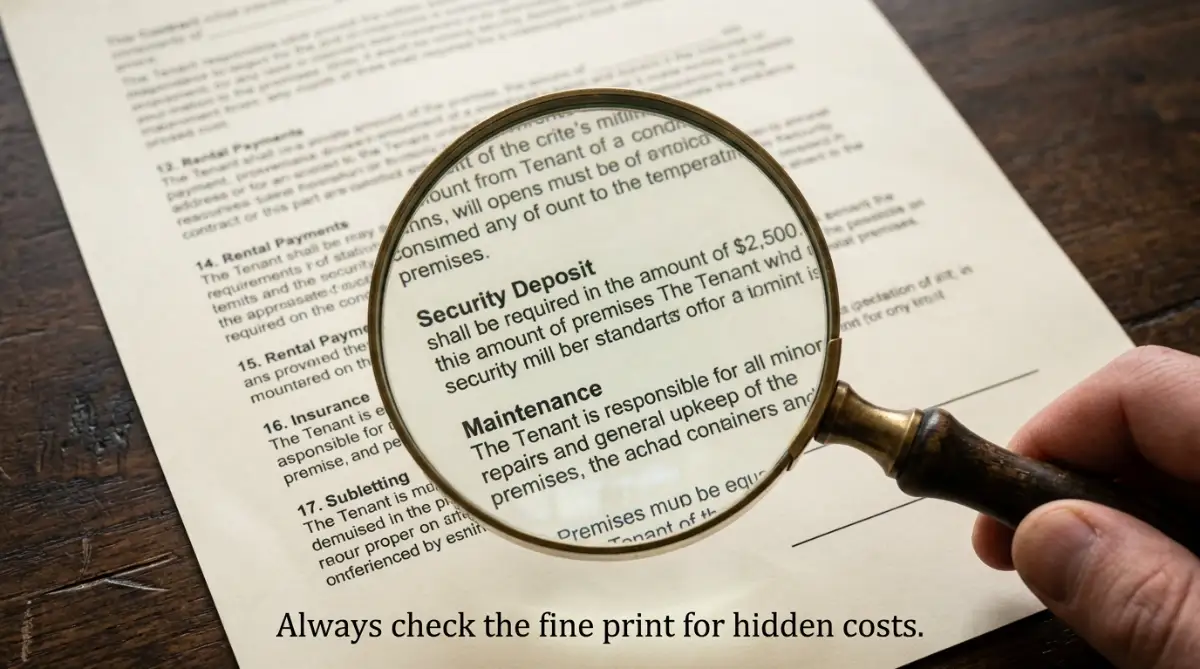
Landlords often hide extra costs in the fine print. These can add up and break your monthly budget. You need to be a detective when it comes to the "Fees" section of your agreement.
Check the grace period for rent payments. Most landlords allow a 3-to-5-day window before a late fee is applied. If the lease says the fee starts at 12:01 AM on the second day, you have very little room for error.
Look at the "reasonableness" of the late fee. A fee of $25 or $50 is common, but some landlords try to charge 10% of the rent daily. This is often illegal and definitely unfair. Ensure the fees are flat and clearly defined.
Don't forget about utility responsibilities. The lease should explicitly state which bills you pay and which the landlord covers. If it says "shared utilities," ask how they calculate your portion to avoid being overcharged.
Common Hidden FeeHow to Avoid ItPet RentAsk if it’s a one-time fee or monthlyParking FeesCheck if a spot is included in the base rentAmenity FeesEnsure you actually use the gym or pool provided
Eviction Protections You Should Know
The word "eviction" is terrifying for any tenant. However, a landlord cannot just throw your stuff on the sidewalk because they are mad. There is a legal process they must follow, and your lease should reflect that.
Ensure the lease mentions a "Notice to Quit" or "Notice to Cure." This means if you break a rule, the landlord must give you a few days to fix the problem before starting an eviction. It gives you a chance to make things right.
Watch out for "Self-Help" eviction clauses. These are illegal in almost every state. A landlord cannot change your locks or turn off your water to force you out. If you see language that allows this, do not sign the lease.
Retaliatory eviction is another major protection. A landlord cannot evict you just because you complained about a broken heater or joined a tenant union. Knowing this helps you stand up for your rights without fear of losing your home.
Dealing with Roommates and Subletting Rights
If you plan to live with others, the lease needs to be clear about "joint and several liability." This is a fancy way of saying that if your roommate doesn't pay their share, you are responsible for the whole amount.
Talk to your landlord about subletting. Even if you don't plan to do it now, having the right to sublet with landlord approval is a great backup plan. It gives you flexibility if your financial situation changes.
Guest policies are also worth a look. Some strict leases limit how many nights a guest can stay. If you have a partner or family who visits often, make sure the rules aren't too restrictive. You shouldn't feel like a prisoner in your own home.
Maintenance Requests: The Paper Trail
When something breaks, you want it fixed fast. The lease should outline exactly how you should report issues. A written request system is always better than a phone call.
Insist on an email or portal-based reporting system. This creates a digital paper trail. If the landlord ignores you, you have proof that you asked for help. This is vital if you ever have to go to court or a housing board.
Understand the "Repair and Deduct" rule. In some areas, if a landlord ignores a major repair, you can pay for it yourself and take the cost out of your rent. Check if your lease or local laws allow this, as it is a powerful tool for tenants.
Final Review: Small Details, Big Impact
Before you grab that pen, take one more look at the small details. Are your names spelled correctly? Is the rent amount exactly what you agreed upon verbally? Never rely on a verbal promise; if it isn't in writing, it doesn't exist.
Check for any "blank spaces" in the document. A dishonest person could fill those in later with terms you didn't agree to. Draw a line through any empty sections before you sign.
Always ask for a copy of the signed lease immediately. Don't let them tell you they will "mail it later." You need your own record of the agreement to protect yourself from any future changes the landlord might try to make.
Renting a home is a partnership. A good landlord will have no problem explaining these clauses to you. If they get angry or defensive when you ask questions, take that as a sign to walk away. Your peace of mind is worth more than any apartment.
By reviewing these protections, you are not being "difficult." You are being a smart, responsible adult. You are making sure that your home remains a place of rest and happiness for the entire duration of your stay.
(Note: This concludes Part 1 of the guide. We have covered the emotional weight of leasing, security deposits, habitability, privacy, and termination rights. In the next section, we would dive deeper into local law variations and specific court cases that protect tenants.)
Mastering the Art of Lease Negotiation and Record Keeping
When you find a place that feels like home, your first instinct is to say "yes" as fast as possible. However, the real power lies in the days between seeing the apartment and signing the paper.
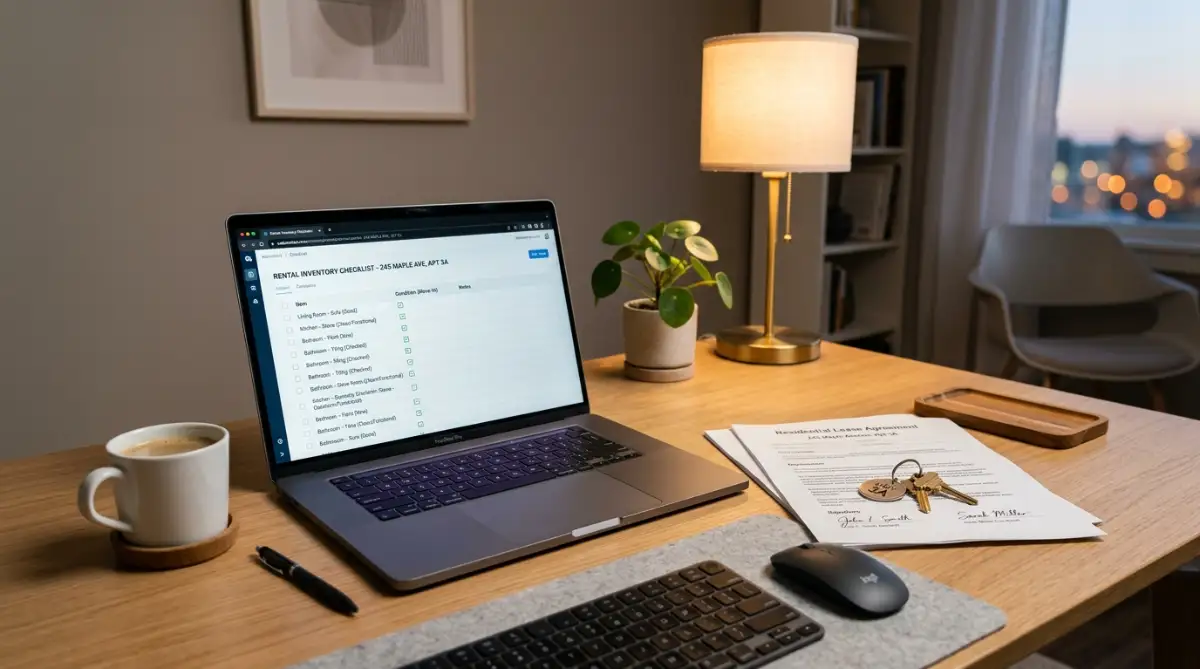
Smart tenants know that a lease is not just a take-it-or-leave-it offer. You have the right to ask for changes that protect your daily peace of mind.
Think of your lease like any other legal contract where clarity is king. Just as understanding why most NDAs fail in court depends on the exact wording, your lease needs precise language to keep you safe.
One of the best secrets is to perform a digital move-in inspection before you even bring in your first chair. Do not just look at the walls; film every inch of the floors, ceilings, and inside the cabinets.
This video acts as your ultimate insurance policy against future repair bills. If the landlord tries to charge you for a scratch later, you have time-stamped proof that it was already there.
We often suggest starting a dedicated "Apartment Folder" on your phone or computer. Save every email, text message, and repair request in this single place.
If a landlord makes a promise during the tour, ask them to put it in an email. A simple message saying "Per our talk, the broken window will be fixed by Friday" can save you weeks of arguing.
Research your local rent control laws before you sit down to sign. Some cities have strict rules about how much a landlord can raise your rent each year.
If your city has these protections, make sure your lease does not try to bypass them. You can check the official HUD website for tenant rights to see what specific laws apply to your area.
Another expert move is to ask for a walk-through with the landlord present. Point out every chip in the paint or loose door handle and make sure they write it down on the move-in sheet.
Both of you should sign and date that sheet right then and there. This prevents the "he said, she said" drama that usually happens when you move out.
Always check if there are "house rules" that are not in the main lease. Sometimes a landlord will mention a separate handbook or a list of building rules.
You must read these rules before signing. They might include strange bans on guests or specific times you can do laundry. If those rules don't work for your lifestyle, you need to know now.
Negotiating doesn't mean being aggressive or rude. It means being clear about what you need to feel secure in your new home.
If you see a clause that feels unfair, simply say, "I am uncomfortable with this section; can we adjust it to be more balanced?" Most reasonable landlords will listen because they want a tenant who is responsible and pays on time.
The Deadly Traps of Verbal Promises and Rushed Signings
One of the biggest mistakes people make is trusting a landlord's word over the written page. You might hear, "Don't worry about that broken sink, I'll fix it tomorrow."
If that promise is not in the lease, you have no legal way to force them to do it. Verbal agreements are almost impossible to prove in a housing court.
We have seen tenants wait months for basic repairs because they trusted a "nice" landlord. Once the ink is dry, the landlord might stop being so friendly.
Another major pitfall is signing a lease while you are feeling pressured. A landlord might tell you, "There are five other people waiting to sign this right now."
This is often a sales tactic to stop you from reading the fine print. Never let anyone rush you through a legal document that affects your bank account and your safety.
Take the lease home for 24 hours if you can. If they refuse to let you take it, that is a massive warning sign that something is hidden in those pages.
Many people also forget to check the "As-Is" clause. If your lease says you are accepting the unit "as-is," it means you agree to every current problem.
This could include hidden mold, broken appliances, or pest issues. Always ask to strike that phrase out and replace it with a "Warranty of Habitability."
Ignoring the rules about how to give notice can also cost you thousands. You might think you can just tell the landlord you are leaving 30 days before.
But if the lease says you must give a written 60-day notice via certified mail, and you don't do it, you could be stuck paying for an extra month. This happens to even the smartest renters because they skip the "Notice" section.
Be careful about who you share your home with as well. Adding a roommate sounds easy, but if they are not on the lease, you are 100% liable for their actions.
If they damage a wall or skip out on rent, the landlord will come after you, not them. This is similar to how a solid partnership agreement protects business owners; you need a clear plan for your living situation.
We also see many tenants ignore the insurance requirements. If the lease says you must have "Renter's Insurance" and you don't, you are technically in breach of contract.
A small fire or a burst pipe could leave you with nothing if you aren't covered. Most policies are very cheap, so don't skip this step to save a few dollars.
Lastly, watch out for "Attorney Fee" clauses. Some leases say that if there is a legal battle, you have to pay the landlord's lawyer fees even if you win.
This is incredibly unfair and often illegal in many jurisdictions. Try to change this to say the "losing party" pays the fees, which is much more balanced.
Taking Charge of Your Rental Future Today
Standing up for your rights as a tenant is one of the most empowering things you can do. You are not just a "customer"; you are a resident who deserves a safe and quiet place to live.
By taking the time to review these protections, you are building a wall around your financial and mental health. A little bit of reading today prevents a lot of crying tomorrow.
Remember that you have the right to ask questions. If a clause seems confusing, ask the landlord to explain it in simple terms.
If they cannot explain it, or if they get annoyed, they probably don't understand it themselves. This is your chance to show that you are a tenant who knows the law.
Start your journey by making a simple checklist of the key points we discussed. Check for the security deposit return date, notice requirements, and repair duties.
Keep your digital records organized from day one. Take those photos and store them in the cloud so they are safe forever.
Just like you would be careful with online images to avoid being sued, be careful with how you document your home. Your photos are your best defense.
You now have the tools to walk into any rental office with confidence. You know what is fair, what is illegal, and what is just plain wrong.
Don't let the excitement of a new home blind you to the reality of the contract. You are the CEO of your own life, and your home is your most important office.
Go ahead and find that perfect apartment, but keep your eyes wide open. When you finally sign that lease, do it with the peace of mind that only knowledge can provide.
We are cheering for you as you start this new chapter. A well-protected tenant is a happy tenant, and you are now one of the best-protected people in the rental market.
Take these tips, apply them today, and sleep soundly in your new home knowing you are safe. Your future self will thank you for being so careful and smart right now.
Disclaimer: The information provided in this article is for educational purposes only and does not constitute official legal advice. Tenant laws vary significantly by location. Always consult with a qualified attorney or a local housing authority regarding your specific rental situation or legal disputes.