
How I Stopped Panicking During Short Layovers (And You Can Too)
I’ve been there—standing in the aisle of a landed plane, heart pounding, watching the minutes tick away while the person in 5A slowly struggles with their overhead bag. Missing a connection is one of the worst feelings in travel. But after years of flying, I’ve realized that you don't have to be a victim of the clock. In this guide, I’m sharing the exact steps I use to navigate tight transfers like a pro, so you can spend less time sprinting through terminals and more time enjoying your trip.
You are sitting in seat 37B, staring at the seatback screen as your plane circles the airport. The flight tracker shows you are thirty minutes behind schedule, and your next plane departs from a different terminal in exactly forty minutes. Your palms begin to sweat, your heart races, and you feel a heavy knot of stress tightening in your stomach. This is the terrifying reality of a tight flight connection in a massive, crowded airport.
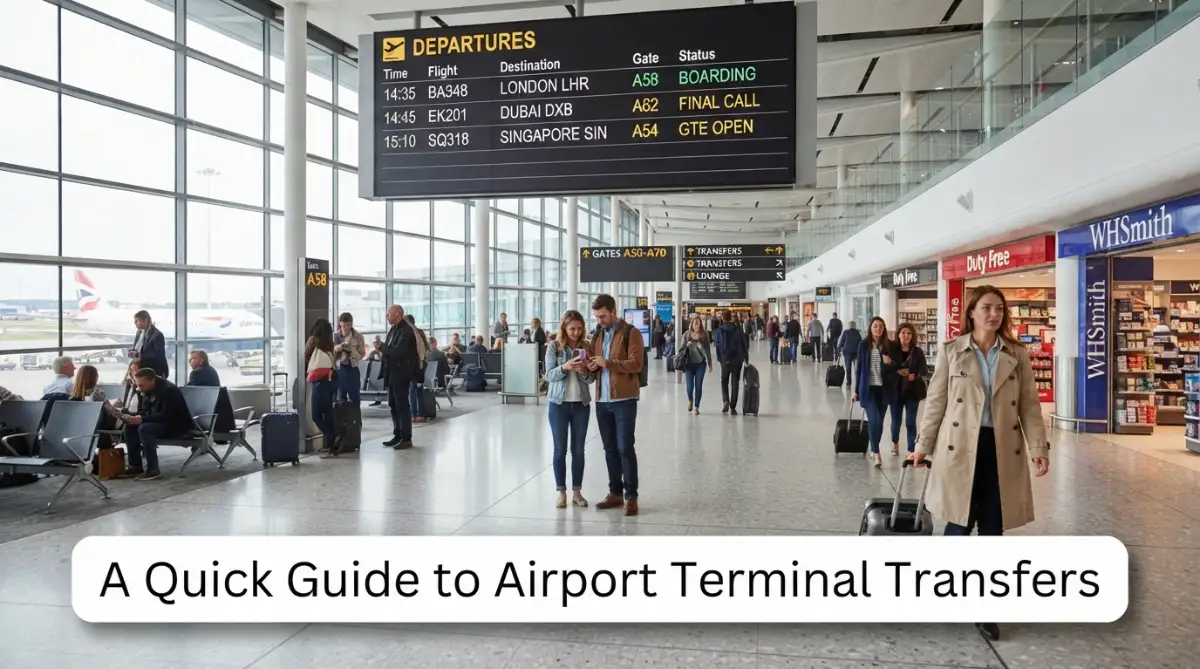
The 30-Second Connection Cheat Sheet
- Book on One Ticket: If the airline messes up, they have to fix it for free.
- Seat Choice Matters: Sit as close to the front of the plane as possible.
- Check the App: Download the airport and airline apps before you take off.
- Skip the Shops: Go straight to your next gate first. Only get coffee once you’re there.
- Know Your Rights: If the delay is the airline's fault, make them pay for your hotel and meals.
The Golden Rules of Booking: Preventing Connection Disasters
Airlines use a specific industry metric known as the Minimum Connection Time (MCT) to decide if a ticket is sellable. This number is the shortest time theoretically needed to walk from one gate to another in a specific airport. However, these official times are often calculated for perfect conditions, which rarely happen in real life. They do not account for slow holiday crowds, long bathroom lines, or planes waiting on the tarmac.
When you book your tickets, always look past the airline’s automated suggestions. An airport might claim a forty-five-minute transfer is enough, but a human traveler needs a safer buffer. For domestic connections, aim for at least ninety minutes of buffer time. For international transfers, you should try to secure a minimum of two to three hours.
y "Connection Safety Buffer" Guide
Before you book that cheap ticket, check if the layover fits these realistic windows:
Connection Type Minimum Time Needed Why?
Domestic to Domestic 60 - 90 Minutes Covers small delays and long walks between gates.
Domestic to International 2.5 - 3 Hours You often need to change terminals and re-clear security.
The "Risky" Connection Under 45 Minutes Almost impossible in big hubs like JFK, LHR, or DXB.
One of the most important rules of air travel is to always book your journey on a single ticket. Many budget travelers try to save money by booking separate flights with different airlines. If you do this, you lose all your passenger protection rights if your first flight is delayed.
When you book a single ticket, the airline is legally responsible for getting you to your final destination. If you miss your connection due to a delay, they will rebook you on the next available flight for free. They may also provide meal vouchers and hotel stays if the wait is long. This simple booking choice acts as your personal financial safety net.
The Pre-Flight Strategy: Preparing Before You Take Off
Your transfer journey begins the moment you select your seat on the plane. If you are sitting in the back rows of a large wide-body aircraft, it can take up to twenty-five minutes just to step off the plane. This lost time can instantly break your chances of making a tight connection.
Always try to select a seat near the front of the aircraft, even if it costs a small extra fee. If you cannot get a seat near the front, talk to the gate agents before boarding. Explain your tight schedule and politely ask if they have any open seats closer to the exit. Most agents will try their best to assist a worried passenger.
Do not wait until you land to figure out where your next gate is. Before you board your first flight, download the official mobile app of your transit airport. These apps usually feature interactive maps that show terminals, walking paths, and airport train systems.
Many airlines also include terminal layouts in their in-flight entertainment screens. Spend some of your flight time studying these maps to understand the general layout. Knowing whether you need to take an underground train or just walk down a hallway will keep you moving with confidence.
Myth vs. Reality: The Truth About Airport Transfers
Common Travel MythThe Actual RealityPlanes will wait for you if your first flight is late.Planes rarely wait because airlines face heavy fines for missing their scheduled runway slots.Security staff will let you skip the line if you are in a rush.Most security agents will not help, and skipping lines depends entirely on the kindness of other travelers.Your checked bags will always make it if you make the flight.Luggage systems take time; very short transfers often result in your bags arriving on a later flight.
In-Flight Action: Steps to Take Before Landing
Your flight attendants are your best allies when time is running short. About an hour before your plane begins its descent, speak with a crew member. Show them your boarding pass and ask if they have updated gate information for your next flight.
In some cases, flight attendants can check the live status of your connecting flight from their systems. If your connection is incredibly tight, they might make an announcement asking other passengers to remain seated. This allows travelers with short transfers to exit the aircraft first. While this does not always happen, it is always worth asking politely.
Do not wait until the seatbelt sign turns off to start gathering your belongings. Use the last thirty minutes of your flight to pack your book, headphones, and neck pillow back into your bag. Keep your passport, boarding pass, and ID in a secure, easily reachable pocket.
When the plane finally stops at the gate, you should be ready to stand up and walk immediately. You do not want to be the person blocking the aisle while trying to find your wallet or phone. Every second you save during the exit phase can make a massive difference.
What to Say to the Crew (The "Short Layover" Script)
Don't just say you're in a rush. Use this approach about 30 minutes before landing:
"Excuse me, I have a very tight 40-minute connection for Flight [Number]. Is there any chance you can check if my arrival gate and departure gate are in the same terminal? Also, if we land late, can you help me get off the plane quickly?"What to Say to the Crew (The "Short Layover" Script)
Don't just say you're in a rush. Use this approach about 30 minutes before landing:
"Excuse me, I have a very tight 40-minute connection for Flight [Number]. Is there any chance you can check if my arrival gate and departure gate are in the same terminal? Also, if we land late, can you help me get off the plane quickly?"
The Ground Sprint: Navigating the Terminal Efficiently
Once you step off the jet bridge, you must shift your mindset into action mode. Walk at a fast, steady pace and keep your eyes focused on the overhead directional signs. Do not stop to check your phone, look at shops, or buy snacks.

Sometimes you just need to see the fastest route in action. Watch this pro-traveler navigate a complex terminal hub in record time to see exactly how to dodge the crowds and reach your gate before the doors close!
If you need to use the restroom, try to find one that is further away from your arrival gate. The restrooms closest to the arrival gates are always the most crowded. Keep moving toward your destination and look for a quieter restroom along your transfer path.
In many international airports, transferring to a new flight requires you to pass through security again. This is true even if you were already screened at your departure airport. Be prepared to quickly empty your pockets, remove your laptop, and walk through the scanners.
If you see a massive line at the transfer security desk, look for a staff member immediately. Show them your boarding pass and point out your departure time. They may direct you to a fast-track lane designed for passengers with short connection windows.
Managing Your Luggage with Care
The easiest way to avoid luggage anxiety is to travel with carry-on bags only. When your bags are with you in the cabin, you do not have to worry about them getting lost in the airport's automated sorting systems. This setup also gives you more flexibility if you need to switch to a different flight.
If you must check a bag, try to place a smart tracking tag inside it. Using a tracker allows you to see if your bag made it onto your second plane. If your bag is left behind, you can quickly report its exact location to the airline's baggage desk.
If you make your tight flight connection but your bags do not, try not to panic. Locate the baggage service office near the carousel area as soon as you land. File a report immediately and get a tracking reference number.
Most airlines will deliver your delayed bags directly to your hotel or home address for free. To make this process easier, keep a change of clothes and your essential items in your small cabin bag. This simple backup plan keeps you comfortable while you wait for your main luggage to arrive.
The Unplanned Stop: What to Do If You Miss Your Flight
If your plane lands late and you realize you have missed your connection, take a deep breath. Do not exit the secure area of the airport to go to the main ticket lobby. Look for a transit desk or transfer center inside the terminal instead.
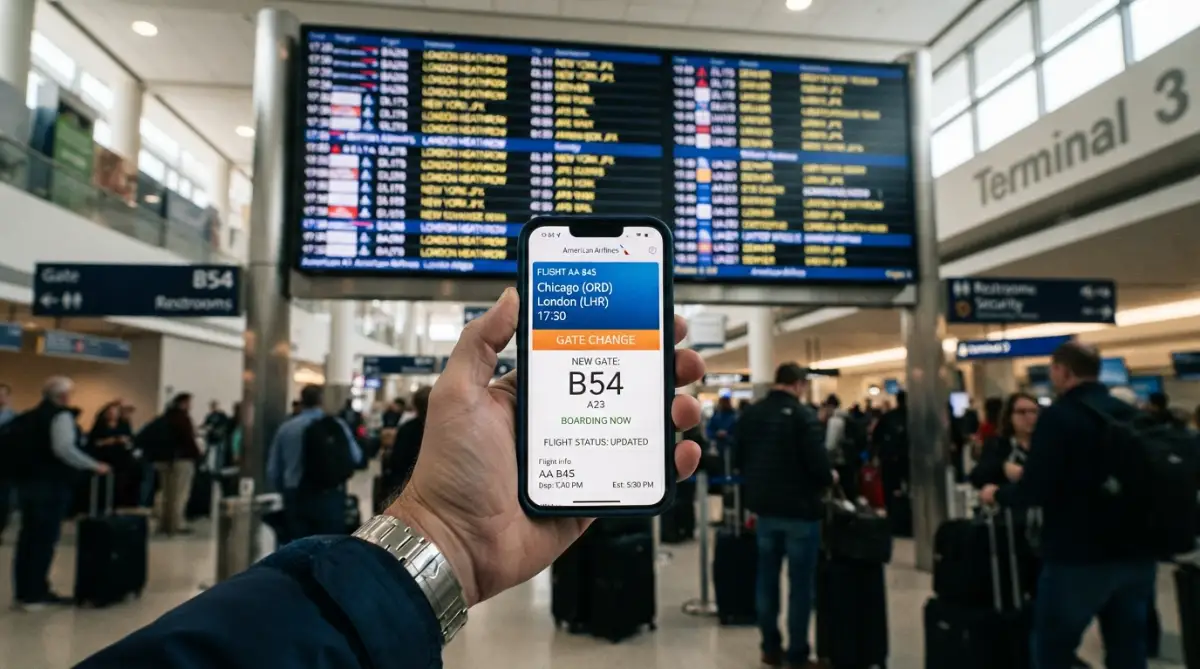
The staff at these internal desks are specifically trained to handle missed connections. They can print new boarding passes, search for open seats, and update your checked luggage details. Staying inside the secure area saves you from having to go through main security check lines again.
When a flight delay is the airline’s fault, you have specific passenger rights. In places like the European Union, rules protect travelers who face long delays or missed connections. You may be entitled to a cash payment, free meals, and hotel accommodation.
Always ask the airline agent clearly about what they will provide for your delay. Be polite but firm when asking for hotel vouchers and food coupons. If they cannot get you on a flight until the next morning, they must provide a safe place for you to sleep.
Final Thoughts on Stress-Free Air Travel
Navigating tight flight connections does not have to be a source of constant travel fear. By booking smart tickets, preparing on the plane, and moving with a clear purpose, you can handle any short layover. The secret lies in preparation, staying calm under pressure, and knowing your passenger rights.
On your next journey, take these steps to heart and watch your airport stress disappear. Safe travels, and may your next connection be smooth, calm, and completely hassle-free!
Advanced Transit Hacks: Insider Secrets from Frequent Flyers
The Lounge Access Trick for Rapid Rebooking
Most travelers view airport lounges as luxury spaces reserved only for business class passengers. However, these lounges hold a secret weapon that can save your entire journey during a tight connection. Inside the lounge, you will find dedicated customer service agents who work directly for the airline.
These agents have the power to instantly rebook your tickets or print new boarding passes without the long lines. If your incoming flight is late, do not run to the crowded main customer service desk in the terminal. Instead, walk directly to your airline's lounge and ask the front desk agent for urgent help. They can quickly access the reservation database and find you a seat on the next departure.
To use this strategy, you do not need an expensive ticket. Many credit cards offer free lounge access, or you can purchase a single-use pass online before your trip. This small purchase can give you direct access to the fastest customer support system in the terminal.
Using Technology and Live Transit Flight Tracking
Modern air travel requires a proactive approach to technology. Do not rely solely on the airport screens to tell you when a gate has changed. Airline apps are often much faster at updating flight statuses than the digital boards on the terminal walls.
Download the official mobile app for every airline you are flying with before you leave home. Turn on push notifications so you receive instant alerts about gate numbers, boarding times, and delay notices. In many cases, your phone will buzz with a gate change alert while the cabin crew is still opening the aircraft doors.
In addition to airline apps, you can use flight tracking websites to see exactly where your incoming plane is. Knowing the real-time location of your aircraft helps you adjust your expectations and walking speed. You can check active airport codes and flight paths to see if bad weather is moving toward your destination.
The Solo Travel Speed Advantage
Traveling alone gives you a massive advantage when navigating tight airport spaces. When you do not have to coordinate with a large group, you can make split-second decisions and move much faster through crowds. You can squeeze through narrow gaps on escalators and walk at your own ideal speed.
If you are embarking on a solo journey for the first time, it is normal to feel nervous about these high-stress situations. Taking the time to build your personal travel confidence will help you handle tight schedules with ease. You can read travel guides to learn how to stay safe as a solo traveler and keep your mind calm.
When you travel on your own, you can easily bypass slow-moving families and tour groups. You can quickly slide into a seat on an airport shuttle bus without waiting for multiple seats to open up. This independence makes solo travel one of the fastest ways to navigate a short layover.
Packing Secrets for Rapid Gate-to-Gate Movement
The best transit strategy is to keep your personal items as light and compact as possible. Choose a sturdy backpack that sits comfortably on your shoulders rather than a heavy shoulder bag that slips off. To optimize your packing style and avoid unexpected hold-ups, you should This keeps your essential items secure while ensuring you can move through terminal gates at high speed.
Avoid packing loose items that can fall out of your pockets when you run. Keep your passport, boarding pass, and phone in a zipped compartment on your chest. This keeps your hands completely free so you can move quickly and balance yourself on airport trains.
Navigating Transit Zones with Trusted Passenger Programs
If you travel internationally on a regular basis, joining a trusted passenger program can change your life. Programs like Global Entry, TSA PreCheck, or regional equivalents allow you to bypass the longest security lines. When you have a tight connection, these programs can save you hours of waiting.
Many international airports also feature electronic passport gates for registered travelers. These automated kiosks read your biometric data and let you pass through customs in under a minute. If you have a short layover that requires passing through border control, these lanes are worth every penny.
Do some research on the transit programs available in your home country and the regions you visit most often. Many travel credit cards will refund the application fees for these programs as a yearly benefit. It is a simple step that pays off the very first time your incoming flight lands late.
Knowing Your Flight Protection Laws
When things go wrong during a flight transfer, you need to know who has your back. International air travel is governed by strict rules that protect you when airlines make mistakes. Knowing these rules can help you get free food, hotel stays, or financial payouts.
If you are traveling through Europe, your rights are protected under a strong legal framework. You can read the official passenger regulations outline on the European Commission portal to understand when you are owed money for missed connections. This rule applies to all departures from European airports, regardless of where your airline is based.
If your flight is delayed for several hours, the airline must provide you with care. This care includes food vouchers, free drinks, and access to communication like phone calls or emails. If your wait extends overnight, they must pay for a hotel room and transport to get you there.
Quick Transit Reference for Major Global Hubs
Airport HubMajor Transfer ObstacleBest Survival TipLondon Heathrow (LHR)Security re-screening is required for all terminal transfers.Follow the purple "Flight Connections" signs and board the terminal transfer buses immediately.Dubai International (DXB)The airport is massive and walking between gates can take forty minutes.Utilize the internal airport train system and use the express walking paths.Los Angeles (LAX)Moving between terminals often requires walking outdoors on the sidewalk.Use the new terminal connector walkways to stay inside the secure security zone.Singapore Changi (SIN)Security screening happens at individual gates, not a central hall.Arrive at your departure gate early because the security line is right at your boarding door.

The Blind Spots: Costly Missteps That Can Leave You Stranded
The Danger of Distractions and Terminal Shopping
It is incredibly easy to lose track of time when you are surrounded by the bright lights of airport shops. Many passengers land from a flight, see that they have forty minutes left, and decide to sit down for a quick coffee. This is one of the most common ways people accidentally miss their tight connections.
An airport terminal is designed to distract you and encourage you to spend money. However, a forty-minute window can disappear in the blink of an eye due to sudden gate changes or unexpected security checks. Never stop for shopping, food, or drinks until you have physically reached your departure gate. Once you are standing in front of your active gate, you can safely look for nearby shops or cafes.
If you stop to browse duty-free perfumes or local souvenirs, you risk missing the boarding calls. Many modern terminals are now "silent airports" that do not make announcements over the speakers. If you are not paying close attention to your watch, your plane could leave without you while you are waiting in a checkout line.
Forgetting the Departure Gate Closing Window
A very common mistake is confusing the flight departure time with the gate closing time. Most international airlines close their boarding gates fifteen to twenty minutes before the plane actually takes off. If your ticket says your flight departs at 2:00 PM, the gate will likely close its doors at 1:40 PM.
If you arrive at the gate at 1:45 PM, the staff will not let you board, even if the plane is still sitting on the tarmac. They must finalize the weight balance sheets and complete safety protocols before departure. Always plan your entire transit route around the gate closing time, not the departure time listed on your ticket. This simple shift in mindset will save you from painful and expensive travel delays.
When you land, subtract twenty minutes from your next flight's departure time. This is your true deadline for reaching the boarding gate. Write this time down or set an alarm on your phone so you do not make a costly mistake.
Falling Victim to Flight Overbooking Pitfalls
When flights are delayed and connections get tight, airlines sometimes face overbooking situations. If you are late arriving at your gate, the airline might assume you are not going to make the flight. In these moments, they may give your seat to a standby passenger who is waiting at the desk.
If this happens, you need to act quickly to protect your travel budget and get your journey back on track. Do not accept a simple apology from the gate agent without asking about your legal passenger rights. Make sure you know how to handle flight overbookings so you can claim your cash compensation and secure a seat on the next departure.
You should also review the passenger safety guidelines from the US Department of Transportation to see what options are open to you. Knowing these rules helps you stand your ground when talking to airline staff. It can mean the difference between a free ticket voucher and being left to pay for your own way home.
Trusting Printed Boarding Passes Blindly
When you check in at your starting airport, the agent will print boarding passes for all your connecting flights. These printed passes will display the gate numbers that were assigned at that specific moment. However, airport operations are constantly changing, and gates are reassigned throughout the day.
Never walk to a gate listed on a paper boarding pass without verifying it first. As soon as you step off your first plane, look for the large digital flight information screens in the terminal. Cross-reference your flight number with the active screen to ensure your gate has not changed. This quick step prevents you from walking to the wrong side of a massive airport terminal.
If you walk all the way to Gate A10 only to discover your plane is boarding at Gate F22, you might not have enough time to recover. Checking the screens takes only ten seconds but can save you miles of unnecessary walking. Make it a firm habit to check the live flight status boards the moment you enter the transit area.
Ignoring the Physical Size of Transit Hubs
Many travelers do not realize how huge modern international transit hubs actually are. Walking from one end of a terminal to another can take over thirty minutes of fast pace walking. If you need to change terminals, you might have to take a train, a shuttle bus, or walk through a long underground tunnel.
Many travelers also include terminal layouts in their in-flight entertainment screens
If you do not plan for these physical distances, you can easily run out of breath and time. Do not assume that all gates are close together just because they are in the same building. Always look at the terminal signage to see the estimated walking times to your specific gate.
If you have mobility issues or are traveling with young children, this challenge is even greater. You can request airport wheelchair assistance or electric cart rides when you book your tickets. Doing this in advance ensures a staff member is waiting to help you navigate the long hallways.
Your Transit Master Plan: Moving Forward with Complete Confidence
Daily Habits for Stress-Free Transfers
Navigating airports without stress is a skill that you can build over time. The key is to replace panic with preparation and organized habits. Every time you fly, you learn more about how transit systems operate.
Start practicing these habits even on simple domestic flights with long layovers. Get used to checking terminal maps, reading flight status screens, and keeping your items organized. When you build these patterns, they become automatic responses when you face a real travel rush.
Action Plan for Your Next Journey
To make your next travel experience as smooth as possible, follow this simple checklist:
- Review your flight tickets to ensure your layovers are long enough for international security checks.
- Download your airline's official app and register for automatic text message alerts.
- Pack a lightweight carry-on bag so you can walk quickly through busy terminals.
- Locate the terminal map for your transit airport before you board your first flight.
- Keep your boarding passes and passport in an easily accessible pocket at all times.
A Word from the Expert
Rushing through a busy international airport does not have to be a source of panic. By understanding how airport logistics work and using the right travel strategies, you can take complete control of your journey. You have the tools, the knowledge, and the resources to handle any short layover.
The next time you book a flight with a short layover, do not let worry cloud your excitement. Instead, view it as a manageable puzzle that you are fully prepared to solve. Stay alert, keep your items light, and move toward your destination with total peace of mind. Your next great adventure is waiting for you just beyond the transit gates!
Mastering the airport sprint changed how I view the world. I no longer feel that heavy dread when I see a short layover on my ticket; instead, I feel prepared and in control. Take these steps to heart today, and you’ll find that the "layover nightmare" is actually just a challenge you’re more than ready to beat!
Post Disclaimer
The travel tips, flight connection guidelines, and passenger rights information provided in this article are for general educational purposes only. Airport designs, transit security rules, and airline policies can change without notice. Always verify the current connection requirements, terminal layouts, and flight statuses directly with your airline or the official transit airport authority before your trip.