How to Stay Safe in Hostels: A Realistic Guide for Solo Female Travelers
Thinking about booking your first hostel bed? I know exactly how it feels. You want to save money and meet people, but you’re probably worried about your stuff getting stolen or feeling unsafe in a room full of strangers. I’ve stayed in countless hostels around the world, and I’ve learned that you don't have to be scared. You just need a plan. In this guide, I’ll share the exact steps I use to stay safe, keep my gear locked up, and actually enjoy the hostel life without the constant worry.
Have you ever stared at your computer screen late at night, your finger hovering over the "Book Now" button? You see a beautiful, cheap hostel dorm room in your dream city, but your chest feels tight with worry. Your mind fills with endless questions about whether you will actually be safe sleeping in a room full of strangers.
My Hostel Safety "Cheat Sheet"
If you’re feeling nervous, just follow these four rules:
- Read the bad reviews first: Look for mentions of "safety," "neighborhood," and "locks."
- Arrive before 4:00 PM: Finding a place is much easier and safer in the daylight.
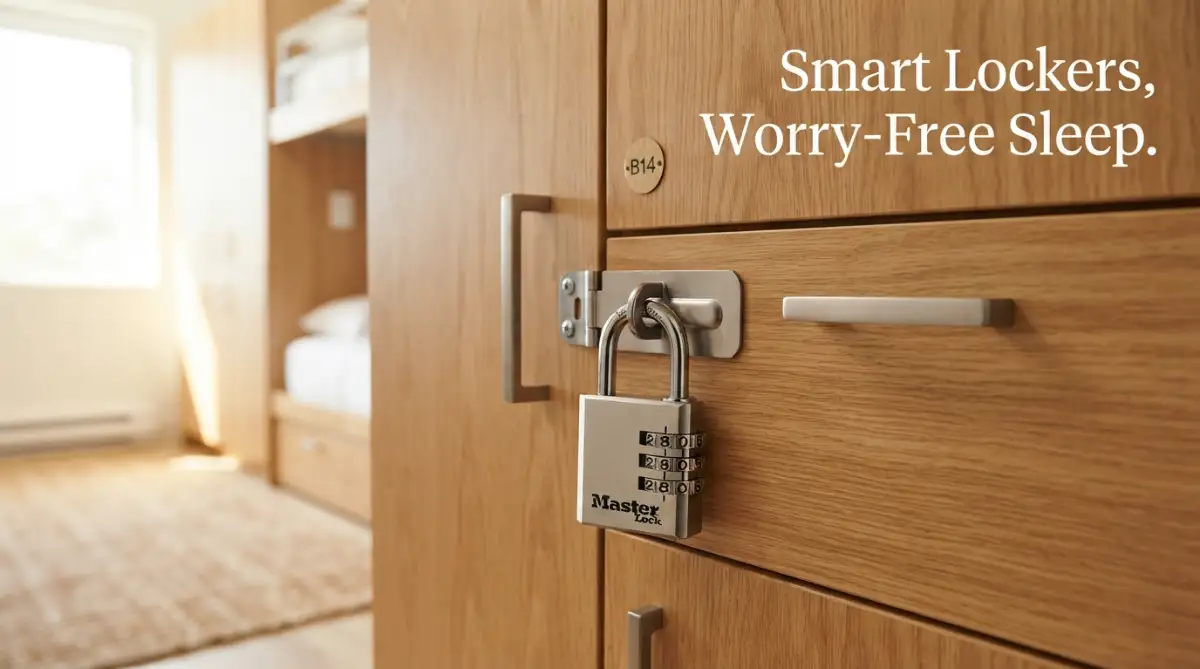
- The Double-Lock Rule: Lock the locker and lock your bag’s zippers.
- Keep your phone charged: Always carry a power bank. Your phone is your map and your lifeline.
Smart Pre-Booking Strategies for Peace of Mind
Read the Reviews Like a Detective
When you start looking at hostel listings, the pictures will always look perfect. However, the real stories are hidden deep inside the review section written by other travelers. You need to look past the beautiful pool photos and focus on what past guests actually experienced.
Look specifically for reviews written by other solo female travelers. Filter the comments by using keywords like "safety," "lockers," "security," or "location." If you see multiple complaints about broken door locks or sketchy neighborhoods, move on immediately.
Pay close attention to how the hostel staff responds to negative reviews. A management team that cares will address safety issues quickly and professionally. If they ignore complaints or argue with guests, it is a clear sign to book somewhere else.
Check the Front Desk Hours
A safe hostel is a hostel that is always watched. Always check if the property has a 24-hour reception desk. This is incredibly important for your security, especially if your flight or bus arrives late at night.
Having a staff member at the desk at all hours means strangers cannot easily walk in off the street. It also means you will always have someone to turn to if you feel uncomfortable or have an emergency at 3:00 AM. If a hostel has self-check-in or closes its doors at night, it might not be the best choice for your first solo trip.
Map the Surrounding Area
A beautiful hostel inside is not very helpful if the street outside is dark and deserted. Use free online maps to look at the neighborhood before you make a payment.
Zoom in to see if the streets have sidewalk paths and plenty of streetlights. Look to see if there are busy shops, cafes, or public transport stations nearby. You want to choose an area where you will feel comfortable walking back to your room after dinner.
Avoid hostels that are located in highly isolated industrial zones or deep within dark, confusing alleys. Saving ten dollars a night is not worth the stress of a scary walk back to your bed.
My Safe-Arrival Hack: I always use Google Street View to "walk" from the nearest bus or train station to the hostel on my screen before I arrive. If the path looks dark or has no open shops, I choose a different hostel. Your safety is worth the extra research!
Choosing the Right Dorm Room for Your Style
Want to see exactly how to pick the perfect bunk and set up your private space? Watch this quick video to see these security tips in action and feel 100% ready for your check-in.
Female-Only Dorms vs. Mixed Dorms
One of the easiest ways to boost your comfort level is to book a female-only dorm room. Most hostels offer these rooms, and they usually cost only a few dollars more than mixed dorms.
Staying in a female-only space often feels much more relaxed and private. You can change your clothes, organize your bags, and sleep without the added worry of sharing a tight space with male strangers. For your very first hostel experience, this single choice can remove a massive amount of anxiety.
Dorm Choice: Which one is for you?
The Art of Selecting Your Bed
If your hostel allows you to choose your own bunk bed when you arrive, choose wisely. The bottom bunk is usually the most popular choice for several reasons. It is much easier to get in and out of, especially in the dark.
A bottom bunk also allows you to hang a travel towel or a sarong from the top frame. This simple trick creates a private curtain that blocks out light and keeps you hidden from view.
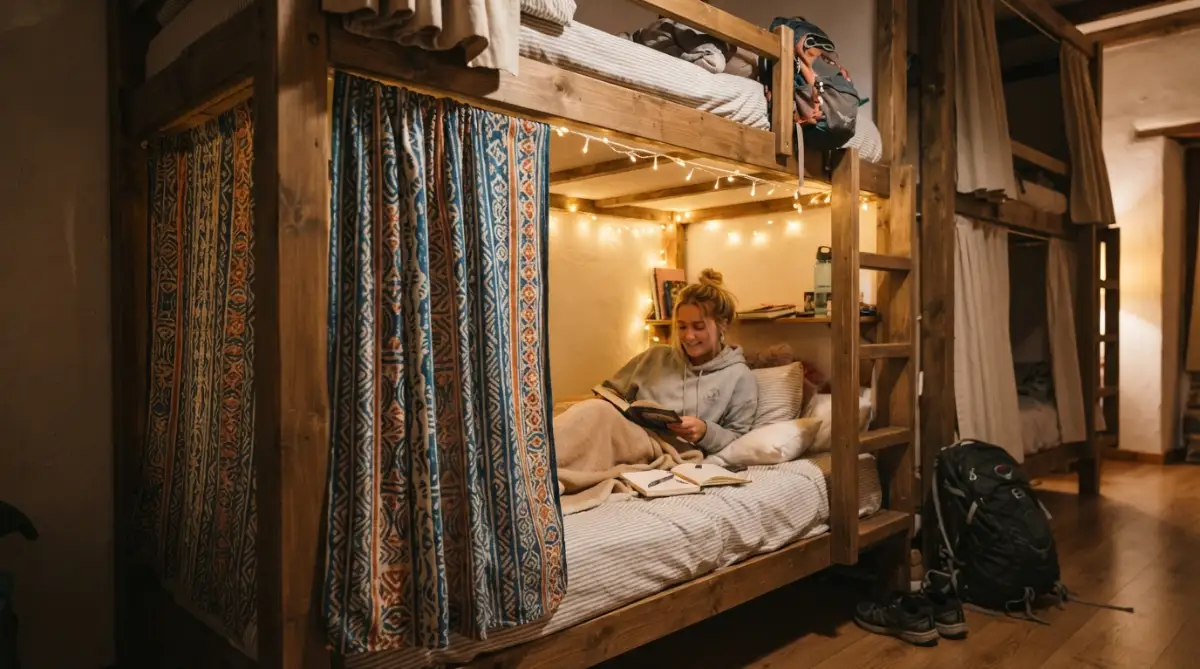
Try to pick a bed that is close to the lockers but away from the main door. Beds right next to the entrance hear every single person walking in and out, which can keep you awake all night.
How to Secure Your Valuables Like a Pro
Early in my travels, I made the mistake of thinking a nice roommate meant I didn't need to lock up my bag while running to the shower. I came back to find my stuff moved and felt instant panic, even though nothing was taken. That taught me a hard lesson: always lock your things, no matter how friendly the vibe in the room seems.
The Double-Lock Method
Never assume that because people in your room seem nice, your things are completely safe. People do not always steal out of malice; sometimes, they take things by mistake in a rush. You must always lock your bags when you are not actively using them.
Bring two high-quality padlocks with you when you travel. Use one lock for the hostel locker provided in your room. Use the second lock to secure the zippers of your main backpack or suitcase.

This double-layer system makes it highly unlikely that anyone will try to mess with your things. It takes too much time and effort for a thief to bypass both locks in a shared room.
Keep a Mini Safety Bag
You should always have a small, lightweight bag that never leaves your side. Inside this bag, keep your passport, credit cards, phone, and emergency cash.
Take this small bag with you even when you go to the bathroom to brush your teeth. Do not leave it lying on your bed while you run down the hall for a quick shower.
When you sleep, place this small bag inside your pillowcase or tuck it deep under your body beneath the sheets. It might feel a bit uncomfortable at first, but it gives you absolute peace of mind that your most precious items are secure.
Smart Arrival and Check-In Habits
Plan Your Arrival in Daylight
Always try to book your transport so you arrive in your new destination before the sun goes down. Finding a new hostel in an unfamiliar city is much easier and safer when it is light outside.
If your flight or train gets in late, plan your route in advance. Know exactly which bus or train to take, or budget for an official taxi from the station.
Never walk around looking lost with your phone in your hand in a dark area. If you do get lost, walk into a busy shop or hotel lobby to ask for directions or order a ride.
Walk Around the Property Right Away
Once you check in, do not just drop your bags and run out to explore the city. Take ten minutes to walk around the hostel building to understand how it is set up.
Locate the emergency exits, the shared bathrooms, and the stairs. Notice where the security cameras are placed in the hallways.
Knowing where everything is helps you move around confidently, especially if you need to use the restroom in the middle of the night without waking your roommates.
Pro Tip: The Emergency Offline Map
Always download an offline map of the city on your phone before you arrive. Mark the exact location of your hostel with a bright pin. This ensures you can always find your way back, even if your phone loses internet connection or you run out of mobile data.
Managing Your Social Life Safely
Sharing Information with Caution
Hostels are wonderful places to meet people from all over the world. It is incredibly easy to make friends over free breakfast or in the common room. However, you must still protect your personal details when talking to new acquaintances.
Never tell people you just met exactly which room or bed number is yours. Keep your travel plans general rather than specific.
Instead of saying, "I am traveling alone and heading to the train station tomorrow at 8:00 AM," say, "I am exploring the city for a few days before moving on." Keeping details vague protects you from anyone who might want to follow you.
Watch Your Drinks and Food
This is a standard safety rule that applies everywhere, not just in hostels. If you are hanging out in the common room or a hostel bar, keep an eye on your food and drinks.
Do not leave your cup on a table while you go to the bathroom. If you lose sight of your drink, leave it behind and get a fresh one.
Be polite but firm if someone tries to pressure you into drinking more than you are comfortable with. Staying sober and alert is your best tool for making good decisions and staying safe.
Simple Gear that Boosts Your Security
The Door Stop Wedge
This is a tiny, inexpensive plastic item that can save you a lot of worry. Carry a simple rubber door wedge in your backpack.
If you ever find yourself in a room where the door lock feels weak or broken, slide the wedge under the door from the inside. This simple physical block makes it almost impossible for anyone to force the door open from the outside, giving you a safe night of sleep.
A Reliable Portable Power Bank
Your smartphone is your ultimate safety tool. It holds your maps, your emergency contacts, your hostel address, and your booking details.
Never let your phone battery die while you are out exploring. Always carry a fully charged portable power bank with you.
Keep your phone plugged into the bank while you walk so you always have access to maps and emergency calls if you need them.
Listening to Your Inner Voice
Trust Your Gut Feeling
Your body is incredibly good at noticing small details that your brain might miss. If a room, a person, or a situation feels wrong, do not ignore that feeling.
You do not need a logical reason to feel uncomfortable. If you walk into your dorm and feel unsafe, go straight to the front desk.
You can ask the staff to move you to a different room, or you can pack your bags and check into a different hostel. Your safety and peace of mind are always worth more than the cost of a booking.
Don't Worry About Being Polite
If someone is standing too close, asking inappropriate questions, or making you feel uneasy, speak up clearly. Use a firm, loud voice to set boundaries.
Saying "No" or asking someone to back away shows that you are not an easy target. It also alerts other people around you that you need space.
Preparing for Your Adventure With Confidence
Remember the Big Picture
Staying safe in hostels does not require you to live in fear. It simply means taking a few smart, easy precautions so you can focus on the incredible experience of travel.
Hostels are filled with wonderful, open-minded travelers who want to make friends just like you. By using these simple safety habits, you protect yourself while opening the door to amazing memories.
Pack your bags, lock your valuables, and get ready to see the world on your own terms. Your first solo travel adventure is waiting for you, and you are fully ready to handle it with confidence.
Mastering the Art of Hidden Security in Shared Hostels
Stepping into the hostel world is like learning a new language where most rules are unwritten. Once you understand the basic safety steps, you can start using advanced strategies to make your travel experience incredibly smooth.
These expert tips will help you protect your personal space without looking overly worried or unapproachable. The goal is to blend in like a seasoned traveler while keeping your guard up naturally. By making these ideas part of your daily routine, you will protect your peace of mind throughout your entire journey.
The Digital Shield: Protecting Your Online Identity
Using the shared Wi-Fi in a hostel lounge is incredibly convenient for updating your family or booking tickets. However, these open networks are rarely secure and can easily expose your private details to hackers. Always use a high-quality virtual private network on your devices before you type in any passwords or credit card numbers.
Another hidden threat in communal areas is the simple USB charging port found next to your bunk. Creative thieves can modify these shared ports to silently copy data from your phone while you charge it. Always carry your own charging plug and connect directly to a standard wall outlet to keep your files secure.
If you need to access your bank account or check private messages, try to do it when nobody is standing directly behind you. It is incredibly easy for someone to glance over your shoulder and memorize your login details without your knowledge.
Smart Transit: Preparing for Late Arrivals and Overbooking
Your journey to the hostel is just as important as the time you spend inside the building. Sometimes, delayed transportation can cause you to arrive at your destination in the dark or even in the middle of the night. If you end up stranded because of a flight delay, knowing your rights can keep you from making panicked, unsafe decisions.
Take some time to research what to do when your travel plans fall apart at the last minute. For example, learning how to handle flight overbooking can help you stay calm and demand proper cash compensation from the airline. Having this knowledge keeps you in control so you never have to sleep in an unsafe transit area out of desperation.
Always contact your hostel immediately if you know you will be arriving later than expected. If you fail to notify them, they might give your reserved bed to another traveler, leaving you searching for a room late at night.
Optimized Luggage: The Secrets of Quick Packing
A messy room makes it incredibly difficult to keep track of your personal belongings. When your clothes and gadgets are spread out across your bunk, you are much more likely to forget something important. Organizing your gear into specific sections within your main bag is the best way to prevent this issue.
Learning how to pack your gear efficiently is a life-saving skill for any solo traveler. You can master the art of keeping your essentials close by understanding how to pack a carry-on safely without paying extra baggage fees. This approach ensures your safety items, like locks and headlamps, are always sitting right at the top of your bag.
When you can pack your entire life in less than five minutes, you become highly mobile and self-reliant. If a hostel ever feels unsafe or uncomfortable, you can simply pack your bags and walk out without any delay.
The Silent Alliance: Building a Relationship with Staff
The people who work at the reception desk are your greatest allies in any foreign city. When you check in, take a few minutes to have a friendly conversation with the staff on duty. They can provide accurate safety updates about local areas that you will never find in online forums.
If another guest in your room is making you feel uncomfortable, you do not have to confront them directly. Simply walk down to the reception desk and quietly ask the staff to assist you with a room change. They are highly experienced in managing these social situations discreetly and can often move you without causing any drama.
To ensure you are booking properties that actually care about safety standards, look for places affiliated with recognized organizations. Checking the Hostelling International network guidelines can help you find hostels that meet approved international quality and security standards.
The Emergency Escape Kit
Always keep a small, waterproof pouch containing your passport copy, backup credit card, and emergency contact numbers under your pillow. If there is ever a fire alarm or an emergency evacuation in the night, you can grab this pouch instantly and walk out. You should never waste precious time trying to unlock your main locker during a real emergency.
Before you fall asleep, make sure your shoes are sitting directly under your bunk where you can easily slide your feet into them. This simple habit keeps you prepared for any sudden event and ensures you can move quickly without hurting your feet.
You can find more detailed safety checklists on official government platforms before heading to a new country. Reviewing the official government safety resources for female travelers helps you stay prepared for regional security protocols and emergency contacts.
How to Keep Safe While Enjoying Nightlife
Exploring the local nightlife is a great way to experience the culture of a new city. However, walking back to your hostel alone after a few drinks can be highly risky. Always arrange a safe ride home before you head out, and try to travel with a small group of people you trust.
If you must walk back alone, stick to well-lit main roads and avoid taking short cuts through dark parks or alleyways. Keep your phone in your pocket but stay fully aware of who is walking behind you. Your awareness is your best defense when navigating unfamiliar streets at night.
The Social Boundary Guide: Do's and Don'ts
Meeting new friends is one of the best parts of staying in hostels, but you must keep your boundaries clear. Here is a simple guide to help you navigate your new social environment safely:
- Do meet people in public common areas like the kitchen or lounge instead of isolated hallways.
- Do keep your phone fully charged and carry a local taxi number when you go out with group members.
- Do tell a friend back home or write down where you are going before heading out for the evening.
- Don't tell people your exact room number or point out your specific bed location during casual chats.
- Don't accept open drinks from strangers unless you saw the bartender pour the liquid yourself.
- Don't feel pressured to join group activities if your gut instinct is telling you to stay behind.

Dangerous Missteps: Common Traps for New Solo Travelers
When we start our first solo adventure, our excitement often blinds us to simple safety risks. Many first-time female travelers make innocent mistakes that can easily lead to stolen items or highly uncomfortable situations. Recognizing these common traps before you arrive will help you avoid unnecessary stress and keep you moving forward.
Choosing Politeness Over Personal Safety
Many young women are raised to be polite, helpful, and accommodating to everyone they meet. Because of this social conditioning, you might hesitate to say "no" when a stranger makes an uncomfortable request. You might agree to walk down a dark street with someone simply because you do not want to seem rude.
Your personal safety must always be your absolute priority, and you never owe politeness to anyone who makes you feel uneasy. If a situation feels wrong, it is completely fine to raise your voice, walk away, or ignore someone entirely. Protecting your personal boundaries is not rude; it is a smart and necessary travel habit.
Keeping All Financial Backups in One Spot
Imagine losing your main purse while exploring a busy local market, only to realize your backup cash and emergency credit card were inside the same bag. This nightmare scenario happens to thousands of travelers who keep all their financial tools in one location. If your single bag is lost or stolen, you will find yourself in an incredibly difficult situation with no easy way to pay for help.
To avoid this risk, split your money and cards into three separate locations before you leave your room. Keep your primary card in your daily wallet, hide your backup card in your locked hostel bag, and save a digital copy of your payment details on a secure online account. This simple system ensures that even if you lose one card, you can still access your money without any major disruptions.
Ignoring the Official Travel Updates
Some travelers believe that researching local safety rules is a waste of time or makes them feel unnecessarily afraid. However, arriving in a foreign country without knowing their specific laws or cultural expectations can quickly get you into trouble. Every country has unique regulations regarding public behavior, clothing choices, and digital privacy.
Before you set off on your journey, take a few minutes to review the official safety reports for your destination. For example, reading the UK government travel advice for solo female travelers can provide excellent insights into local laws and customs. Having this information prepares you for any unique challenges you might face during your stay.
Leaving Chargers and Cables Unattended
While we usually remember to lock up our expensive laptops and phones, we often leave our charging cords plugged into the wall next to our bed. These small accessories are incredibly easy for someone to pick up accidentally when they are packing their own bags in a rush. Buying replacement cables in a foreign city can be surprisingly expensive and highly inconvenient.
Always unplug your chargers and tuck them inside your locked locker whenever you leave your room. This simple step keeps your electronics ready for use and saves you from the frustration of searching for new cables in an unfamiliar place.
Arriving in an Unfamiliar Neighborhood After Dark
Arriving in a new city at midnight without a clear plan is one of the most stressful mistakes you can make. The streets around transit stations are often empty, and finding your hostel in the dark can be incredibly confusing. This vulnerability makes you an easy target for unlicensed taxi drivers or local scammers.
Always try to schedule your flights, trains, and buses so that you land in your destination during daylight hours. If a late arrival is completely unavoidable, pre-book a licensed ride-hailing service or ask your hostel to arrange a secure transfer for you. Having your transport sorted out in advance allows you to head straight to your bed without any unnecessary safety risks.
The Danger of Overpacking Your Travel Schedule
When we travel, we often want to squeeze as many activities as possible into a single day. This extreme fatigue can make you less alert, making it much easier to lose your bags or fall for local scams. Giving yourself time to rest is a core part of staying safe on the road.
If you are constantly rushing from one tour to another, your brain will struggle to process your surroundings. Make sure to schedule slow mornings or quiet afternoons where you can simply relax in the hostel lounge. A well-rested traveler is always a safer and more confident traveler.
Stepping Forward with Confidence and Clarity
Traveling solo as a woman is one of the most rewarding and life-changing experiences you can choose to have. It teaches you how to rely on your own skills, make confident decisions, and discover amazing places on your own terms. Staying in hostels is a fantastic way to connect with other curious minds and share incredible stories along the way.
You do not need to let fear of the unknown keep you from booking that exciting flight and seeing the world. By turning these simple safety tips into daily habits, you build a strong shield that protects your peace of mind. When your mind is at ease, you can fully enjoy every single moment of your spectacular journey.
Every great adventure begins with a single, small decision to step outside of your comfort zone. Trust your inner voice, prepare your gear carefully, and approach your travels with an open heart.
Your Action Plan for Tomorrow
To help you get started on your journey, here is a simple action plan you can practice right now. First, check your travel gear and make sure you have two durable padlocks ready for your next trip. Next, download an offline map of your upcoming destination and pin the exact location of your lodging.
Finally, take a look at your current packing list and see if you can make it more compact. Keeping your bags organized and lightweight is a fantastic way to boost your security and travel freedom. By taking these small steps today, you set yourself up for a highly successful and worry-free adventure.
The world is filled with beautiful cultures, breathtaking sights, and friendly people waiting to welcome you. Equip yourself with these smart habits, hold your head high, and step out into your next big adventure with complete confidence.
Looking back, I realize that stepping into that first hostel was the best decision I ever made for my confidence. You are stronger and more capable than your worries want you to believe. Take that first step today, trust your gut, and get ready to see just how amazing the world can be when you go after it
Disclaimer:
This guide is for informational and educational purposes only. While we share expert travel safety strategies, personal experiences may vary depending on local conditions, personal choices, and unexpected events. Always consult official local advisories and use your own judgment when making travel decisions.