Why Your Valid Passport Could Still Get You Kicked Off a Plane
Look, I’ve seen people lose $5,000 in five minutes at the airport. All because of a tiny date on a passport. If you think your passport is "good to go" just because it hasn't expired yet, you might be in for a nasty shock. Most countries won't even let you past the check-in desk if your document is close to its end date. I’m going to show you exactly how to check your dates and avoid the heartbreak of being turned away while your friends board the flight.
You hand your passport to the airline agent at the check-in desk, expecting a quick boarding pass printed in return. Instead, the agent frowns, looks at their screen, and shakes their head with a look of pity.
"I am sorry," the agent says quietly, "but you cannot board this flight."
Your heart drops into your stomach as you stare at them in pure disbelief. You check your passport, and it clearly shows that it does not expire for another five months. You explain this to the agent, but they tell you that your destination country requires at least six months of validity.
Just like that, your dream vacation is gone, your money is lost, and you are left standing in the terminal with tears in your eyes.
This is not a rare horror story; it happens to thousands of smart travelers every single week. Many people believe that as long as a passport is valid on the day they travel, they are perfectly safe to cross borders.
Unfortunately, international travel laws do not work that way, and a simple misunderstanding can cost you your entire trip. Let us look at the real rules so this never happens to you.
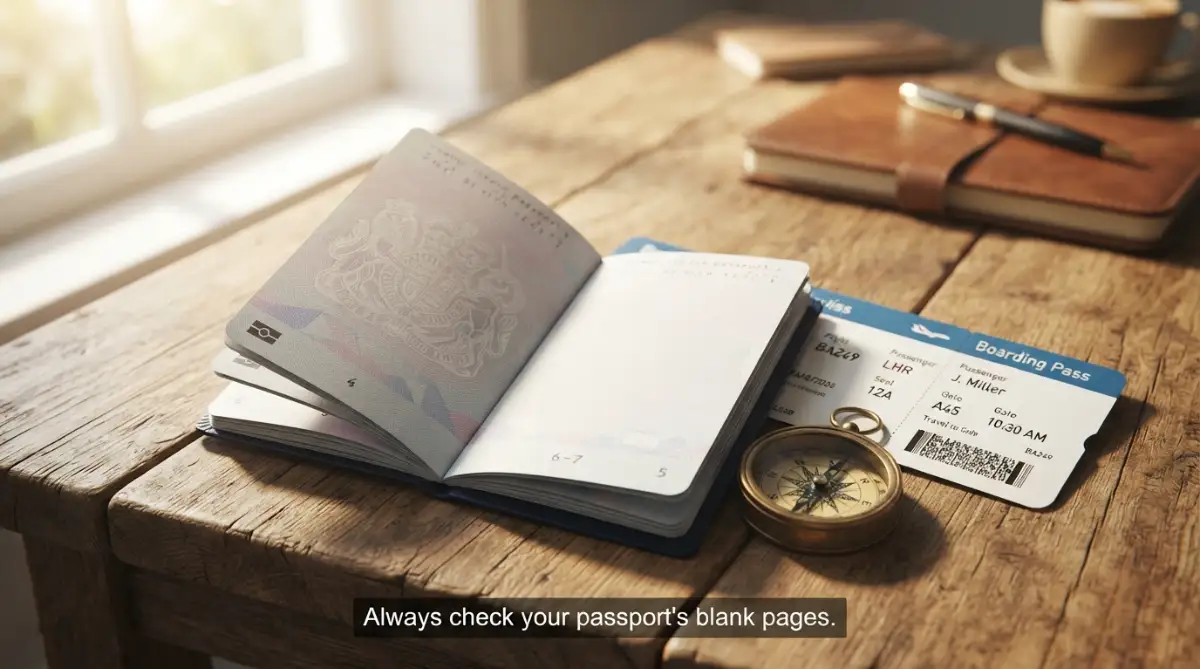
The "Don't Get Stranded" Cheat Sheet
- The 6-Month Gold Standard: Always aim for at least 6 months of validity. It works almost everywhere.
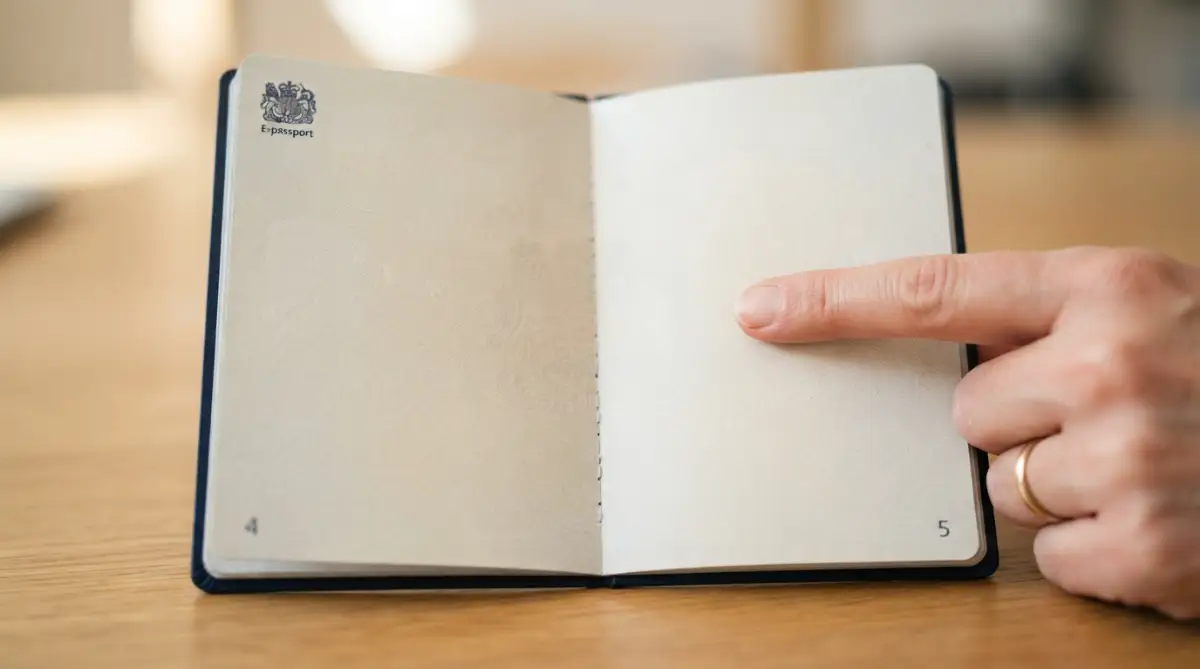
- Blank Pages Matter: Most countries need at least 2 totally empty pages for stamps.
- Check the Issue Date: For Europe, your passport must be less than 10 years old, no matter the expiry date.
- Child Passports: These expire faster (usually 5 years), so check them twice!fthey will not let you past the border.

Why Countries Care About Your Passport's Expiry Date
Many travelers ask why a foreign country cares about an expiration date that is still months away. The answer is simple and comes down to immigration control and safety.
The Infamous Six-Month Rule Explained
The six-month rule is the most common and strict passport rule in the travel world. This rule states that your passport must be valid for at least six months beyond your planned departure date.
Some countries calculate this six-month period from the day you arrive in their country. Other countries calculate it from the day you plan to leave and fly back home.
If your passport has five months and twenty days of validity left, you will be rejected at the gate. Airlines are highly strict about this because they face heavy fines if they bring you to a country that rejects you.
If you get sent back, the airline must fly you home at their own expense, which is why they check your dates so carefully.
Countries That Strictly Enforce the Six-Month Rule
Many popular vacation spots across Asia, Africa, and the Middle East enforce this rule without any exceptions. For example, if you are flying to Thailand, Indonesia, or Singapore, you must have six months of validity.
The same applies to dream destinations like Egypt, Kenya, Turkey, and the Philippines. Even if you show them a return ticket booked for next week, they will not let you past the border.
It is a non-negotiable rule that border police enforce daily.
A Real-World Boarding Scenario
Let us look at a quick example of how this plays out at the airport.
John is flying from New York to Bangkok for a short five-day business trip. His passport expires in exactly five months, which seems fine since he is only staying for five days.
At the airport, the airline check-in system automatically flags his passport. The agent tells John that Thailand requires a full six months of validity from the arrival date.
John cannot board the plane, loses his flight ticket, and has to cancel his business meetings.
The Schengen Area and the Three-Month Rule
If you are planning a trip to Europe, the rules are slightly different but equally strict. Most European countries belong to the Schengen Area, which shares a common border policy.
The Schengen Area requires your passport to be valid for at least three months after your planned departure date from Europe.
However, there is another hidden rule that catches many travelers off guard. Your passport must also be less than ten years old on the day you enter Europe.
The Ten-Year Rule Trap
In some countries, like the United States or the United Kingdom, you can sometimes renew a passport early and get extra months added. This means your passport could technically have a validity of ten years and nine months.
If you travel to Europe with a passport that was issued over ten years ago, you will be turned away. Even if the expiration date on the page says you have a year left, the issue date is what matters.
Always look at the "Date of Issue" on your passport photo page before booking a trip to Europe.
How to Calculate the European Schengen Validity
Let us say you are planning to leave Spain on October 1st.
To enter Spain safely, your passport expiration date must be after January 1st of the next year.
Additionally, your passport must have been issued less than ten years before the day you arrived in Europe. If either of these conditions is not met, your European vacation will end before it even starts.
The Hidden Blank Pages Requirement
You might have plenty of time left on your passport, but what do your physical pages look like? Many travelers do not realize that the number of empty pages in their booklet is a critical factor.
I once saw a guy get rejected because he had one blank page left, but the border agent insisted on seeing two side-by-side pages for a specific visa sticker. My big realization was that "blank" means totally untouched by ink. My top tip is to always keep a small piece of paper tucked into your passport marking your last two clean pages so you know exactly when it’s time to renew.
When you enter a foreign country, border agents need space to place physical stamps or visa stickers.
Some countries require you to have at least two fully blank pages in your passport. If your passport is full of colorful stamps from previous trips, you might get rejected.
I always carry a small binder clip in my passport. I use it to clip together all the used, stamped pages. This shows the border agent exactly where the fresh, blank pages are. It saves them time, keeps them happy, and ensures they don't accidentally stamp a page you were saving for a big visa!
Why Random Empty Spaces Do Not Count
You might look at your passport and see small blank spaces in the corners of stamped pages. To you, it looks like there is plenty of room for another tiny ink stamp.
To a border official, those random spaces do not count as a valid blank page. Many countries require completely clean, untouched sheets of paper to place official entry visas.
If you do not have these clean sheets, you can be denied entry at the border control desk.
Double-Check Before You Fly
Open your passport booklet right now and count the pages that have absolutely zero ink on them.
If you only have one or two pages left, it is highly recommended to renew your passport immediately.
Do not wait until you have a trip planned to find out your booklet is too full.
Common Myths About Passport Validity Debunked
There are many pieces of bad advice floating around internet travel forums. Let us clear up the most common misunderstandings so you can travel with peace of mind.
Myth 1: "My travel agent said my passport is fine."
Never rely solely on a travel agent or a friend's advice regarding visa and entry rules. Rules can change quickly, and the only source of truth is the official embassy website of your destination country.
If a travel agent makes a mistake, they will not pay for your lost flights or ruined vacation. You are the only person responsible for your travel documents.
Myth 2: "I am only staying for two days, so the rule does not apply."
This is a dangerous assumption that many weekend travelers make. Border officials do not care if your trip is for twelve hours or twelve days.
The entry law is a blanket policy that applies to all incoming foreign visitors. If the rule says six months, it means six months, regardless of your return flight date.
Myth 3: "Airlines will let it slide if I am polite."
Airline staff are not trying to be mean when they deny you boarding at the gate. They are following strict international laws and automated computer prompts.
If an airline lets you fly with an invalid passport, they can face massive fines from destination governments.
They will not risk their jobs or company money just because you are friendly or have a sad story.
The Financial and Emotional Cost of a Passport Mistake
Being turned away at the airport is an incredibly stressful and expensive experience. In most cases, travel insurance will not cover the cost of a trip canceled due to invalid documents.
Insurance companies view passport validity as the traveler's personal responsibility.
This means you will lose the money spent on your flights, hotel bookings, tours, and transit tickets.
The Panic of Last-Minute Renewals
If you get rejected at the airport, your only option is to try and get an emergency passport renewal.
Emergency renewal services are highly expensive and require you to visit a regional passport agency in person.
This process can take days, meaning you will miss a large portion of your vacation anyway.
The stress of running around government offices while your family sits at home is something you want to avoid.
A Simple Step-by-Step Passport Audit You Can Do Today
To protect yourself from these travel disasters, you should perform a quick passport audit right now. It takes less than five minutes and can save you thousands of dollars.
Step 1: Locate Your Passport and Check the Issue Date
Find your physical passport and open it to the main information page.
Look at the Date of Issue and make sure it was not issued more than nine years ago.
If it was, and you plan to travel to Europe, start the renewal process today.
Step 2: Check the Expiration Date
Look at the Date of Expiration and write it down on a piece of paper.
Think about the next few destinations you want to visit and research their specific validity rules.
If your passport expires in less than nine months, it is highly smart to renew it now.
Step 3: Count Your Blank Pages
Flip through your passport booklet from front to back.
Count how many pages are completely free of stamps, ink, or stickers.
If you have fewer than four blank pages left, you should consider getting a new booklet.
Step 4: Keep an Eye on Child Passports
If you travel with children, remember that child passports often have a shorter validity period than adult ones.
While adult passports are usually valid for ten years, child passports often expire after five years.
It is easy to forget this difference, which leads to many families getting stuck at the gate.
Smart Strategies for Frequent Travelers
If you love to travel frequently, you need a proactive system to manage your documents.
Do not treat your passport as something you only think about a week before your flight.
Set a Calendar Reminder
Create a digital calendar alert for nine months before your passport is set to expire.
Name the alert "Renew Passport Now" so you have plenty of time to send it away without rushing.
This ensures you always have a healthy buffer of validity for spontaneous trips.
Keep Digital Copies of Your Passport
Always take a clear, high-quality photo of your passport information page with your phone.
Keep a copy in your email or a secure cloud storage folder.
While a digital copy will not get you past border control, it is incredibly helpful if your physical passport gets lost or stolen while you are abroad.
Final Steps Before You Book Your Next Ticket
Before you enter your credit card details for a flight, do one final check.
Visit the official government travel advisory website for your home country.
Search for your destination country to read their exact entry requirements.
Taking these simple steps ensures that your next vacation is filled with beautiful memories, not airport tears. Safe travels!
Advanced Passport Hacks for Savvy Jetsetters
We need to talk about some next-level strategies to keep your travel plans safe from passport disasters. Most travelers only look at the basic rules and hope for the best. By understanding how the system works behind the scenes, you can avoid stressful situations entirely.
Let us explore some specific advanced strategies that frequent travelers use to stay ahead of the game.
The Double-Check for Flight Connections
Did you know you can get rejected at the boarding gate even if your final destination allows your passport? This happens when your flight has a layover in a country with stricter rules than your final stop. For instance, you might be flying to a country that only requires your passport to be valid for your stay.
If your plane stops for a layover in Europe, you must meet the strict European Schengen borders rule[1]. Border authorities in the transit airport will check your documents before letting you board your connecting flight. Always research the rules for every single country you touch, even if you never plan to leave the transit terminal.
While managing these long journeys, you will also want to plan for physical wellness on arrival. You can learn how to reset your circadian rhythm after a long flight to stay fresh and avoid jet lag.
The Dual Passport Dilemma
If you are lucky enough to hold dual citizenship, you have a unique set of options. However, this also comes with potential traps if you are not careful. You must always enter and exit a country using the exact same passport.
If you show one passport at the check-in desk and another at the border, you will cause major confusion. This can trigger security flags and delay your journey for hours. Keep both documents updated, and plan which one you will use for each leg of your trip.
Getting Help from Government Portals
When searching for entry requirements, never trust random blogs or outdated travel forums. Always go directly to official government resources to get the most accurate updates. You can consult the US State Department travel guidelines for detailed country-by-country rules[2].
If you are traveling within Europe, you should review the official European Union travel requirements to understand current Schengen rules[1]. These official sites are regularly updated and will help you avoid costly mistakes at the border.
The Secret of Second Passport Books
Some countries allow frequent travelers to hold a second valid passport book simultaneously. This is highly useful if you travel constantly and need to send one passport away for visa processing while using the other to travel. It is also a great backup if you visit countries that do not get along politically.
Check with your national passport agency to see if you qualify for this special service. It requires an extra fee and some paperwork, but it is a game-changer for digital nomads. Having a backup booklet ensures you are never locked out of international travel.
Understanding Visa-on-Arrival Processing Time
Many travelers look up passport validity but forget to check visa-on-arrival queues. Some countries will not issue a visa-on-arrival if your passport expires in less than six months. Even if you plan to get a visa online beforehand, the system might reject your application automatically.
Always apply for your travel visa at least a month before your flight. This gives you a clear warning if your passport does not meet the country's strict entry standards. It is much better to find out about a passport issue at home than at the border desk.
Setting Up a Document Expiration Tracker
Do not rely on your memory to track when your passport and other travel documents expire. Create a simple spreadsheet or use a reminder app on your phone. Set the notification to go off nine months before your passport's expiration date.
This simple digital system gives you a massive window to renew your documents without paying high expediting fees. It also takes the stress out of planning spontaneous weekend getaways. You will always know exactly how much travel time you have left.

Catastrophic Mistakes Travelers Repeatedly Make
When travelers find themselves in a rush, they often make simple errors that turn into expensive nightmares. One of the most common mistakes is trusting the passport date printed on the front cover without looking inside. Many people assume that their booklet is in perfect condition just because it is stored in a desk drawer.
However, a tiny amount of water damage or a small tear on the photo page can completely invalidate your passport. Border agents are trained to look for any signs of tampering or damage. If they suspect your passport is damaged, they will turn you away immediately.
The Danger of Forgetting Passport Placement
Many people tuck their passport deep inside their heavy luggage during their trip to the airport. When you are rushing through security check-points, you want to keep your important documents easily accessible. Keeping your passport in an easily reachable pocket of your bag will save you from unnecessary stress.
As you plan what to carry, make sure you know how to pack a carry-on safely and stop paying airline fees to make your airport experience as smooth as possible. Having a clean, organized bag ensures you can present your passport instantly without holding up the line.
Trusting Airline Notifications Too Much
Another major pitfall is assuming the airline will warn you if your passport is about to expire. Airlines do collect your passport information during the booking process, but their systems do not always check the expiration dates against your destination's entry rules. They might let you buy the ticket and only check your physical passport on the actual day of travel.
If you get bumped from a flight due to an airline error, you are sometimes entitled to financial compensation. You can read about how to handle flight overbooking and claim your cash if the airline is at fault. However, if the boarding denial is due to your expired passport, you will not receive a single penny of compensation.
Failing to Match Names on Tickets
If you recently got married or changed your name, you must ensure your plane ticket matches your passport exactly. Even a single letter difference between your booking name and your passport name can result in boarding denial. Do not book flights under a nickname or a shortened version of your legal name.
This rule is especially important for solo adventurers who need to stay highly organized. If you are a female traveler planning your first independent trip, learning about solo female hostel safety will help you build your confidence. Keeping your documents in order is the first and most important step to staying secure on the road.
The Emergency Travel Document Trap
If you lose your passport abroad, your embassy can issue an emergency travel document to help you get home. However, you must remember that these emergency documents are not regular passports. They usually only allow you to fly directly back to your home country.
You cannot use an emergency passport to go on sightseeing trips or enter transit countries for vacation. Many travelers make the mistake of trying to continue their multi-destination tour using an emergency document. This will result in immediate border rejection and further travel delays.
Ignoring Minor Passport Alterations
Some travelers think it is harmless to let their children draw in their passport booklets. Others might accidentally wash their passport in the laundry machine and try to dry it out. Even if the paper looks dry and the text is readable, the internal security chip might be completely destroyed.
Modern passports contain electronic chips that are scanned at automated border gates. If the chip is damaged, the electronic reader will fail, and you will be pulled aside for questioning. Always treat your passport as a highly delicate electronic device that must be kept safe from moisture and heat.
Assuming All Family Members Have the Same Rules
When traveling as a family, it is easy to assume everyone's documents are in order if the parents' passports are valid. However, child passports often expire much faster than adult ones. While adult passports are often valid for ten years, child passports usually expire after five years.
Always double-check your children's passports individually before booking any international flights. A single expired document in your group will halt the entire family's vacation plans. Save yourself the stress by checking every single booklet weeks in advance.
Your Action Plan for Worry-Free Travel
Taking control of your travel documents does not have to be a complicated or stressful process. By establishing a few simple habits, you can protect your hard-earned vacation money and travel with total confidence. The key is to be proactive and handle your passport admin well in advance.
Let us look at a simple checklist you can complete this week to ensure you are always ready for your next adventure.
- Audit your booklet: Pull out your passport right now and look at the expiration date and the number of clean pages.
- Set calendar alerts: Create digital reminders for nine months before your expiration date so you never get caught off guard.
- Research before booking: Never buy a plane ticket without checking the official entry rules of your destination first[3].
- Keep documents protected: Store your passport in a waterproof sleeve to protect it from unexpected spills and weather damage.
The world is full of incredible places waiting to be explored, from busy foreign cities to peaceful tropical beaches. Do not let a simple paperwork mistake stand between you and your dream travel memories. Take action today, check your documents, and prepare for your next stress-free journey across the globe.
Checking your passport today takes five minutes, but it can save you five years of regret. Don't let a tiny date on a piece of paper stand between you and the world. Go grab your passport right now, do the audit, and get back to dreaming about your next big adventure!
Quick Guide: Validity Rules by Region
Disclaimer:
This article is for informational purposes only. Passport regulations, visa requirements, and entry laws can change without notice. Always verify current rules with the official embassy of your destination country before booking travel.