
The Hidden Heartache of the "Perfect" Home
You found it. The house looks amazing from the curb. The kitchen has the exact granite counters you dreamed about.
But beneath that fresh coat of paint, a financial disaster might be waiting for you. Many families pour their life savings into a home, only to find out months later that the foundation is crumbling.
This isn't just about money. It is about your mental peace. Imagine waking up to a flooded basement or realizing your roof needs a total replacement.
The stress can tear families apart. I have seen buyers break down in tears because they ignored a small crack during the first walk.
You deserve a home that feels like a sanctuary, not a ticking time bomb. Most people are so blinded by the "pretty" things that they forget to look for the "scary" things.
We often think the seller is being honest. However, sometimes even the seller doesn't know about the slow leak behind the bathroom wall.
Are you ready to look past the staging? Let’s learn how to spot the problems before they become your problems.
It is time to put on your "detective hat" and save yourself from a six-figure mistake. Your future self will thank you for being careful today.
Start With the Ground: The Foundation Truth
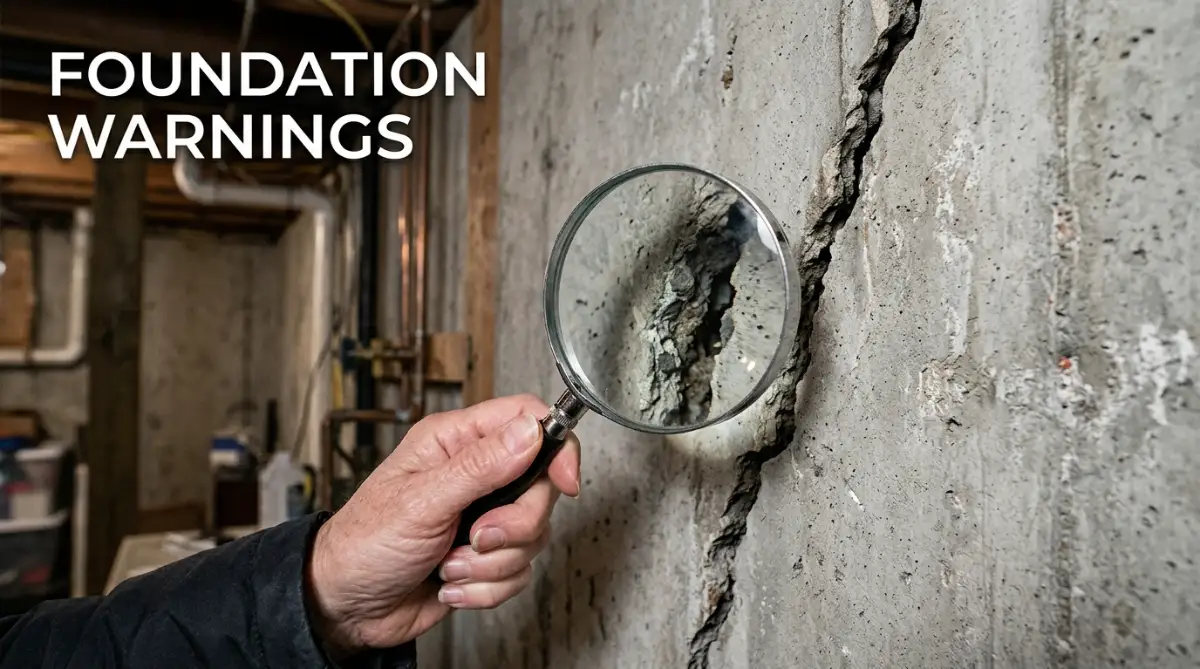
The foundation is the most important part of any building. If the base is weak, nothing else matters.
When you walk around the outside, look at the base of the walls. Do you see any long, horizontal cracks?
Horizontal cracks are much scarier than vertical ones. They often mean the soil is pushing too hard against the house.
Pro Tip: Look for "stair-step" cracks in the brickwork. This usually means the house is settling unevenly.
Inside the house, check the doors and windows. Do they stick when you try to open them?
If a door swings open or shut on its own, the floor might be slanted. Uneven floors are a classic sign of foundation movement.
I once visited a house where the owner used thick carpets to hide a sloping floor. Always walk around and feel for "soft spots" under your feet.
The Roof: Your First Line of Defense
A new roof is incredibly expensive. You should always look up before you go inside.
Check for shingles that are curling or missing. If the shingles look "bald" or shiny, they have lost their protective granules.
Look at the "valleys" of the roof. This is where water flows into the gutters.
If there is trash or moss growing there, it means water is sitting still. Standing water leads to wood rot very quickly.
Inside the attic, look for light peeking through the boards. If you see sunlight, you will definitely see rain later.
Check the insulation for dark spots. Dark or matted insulation is a sign that water has been leaking for a long time.
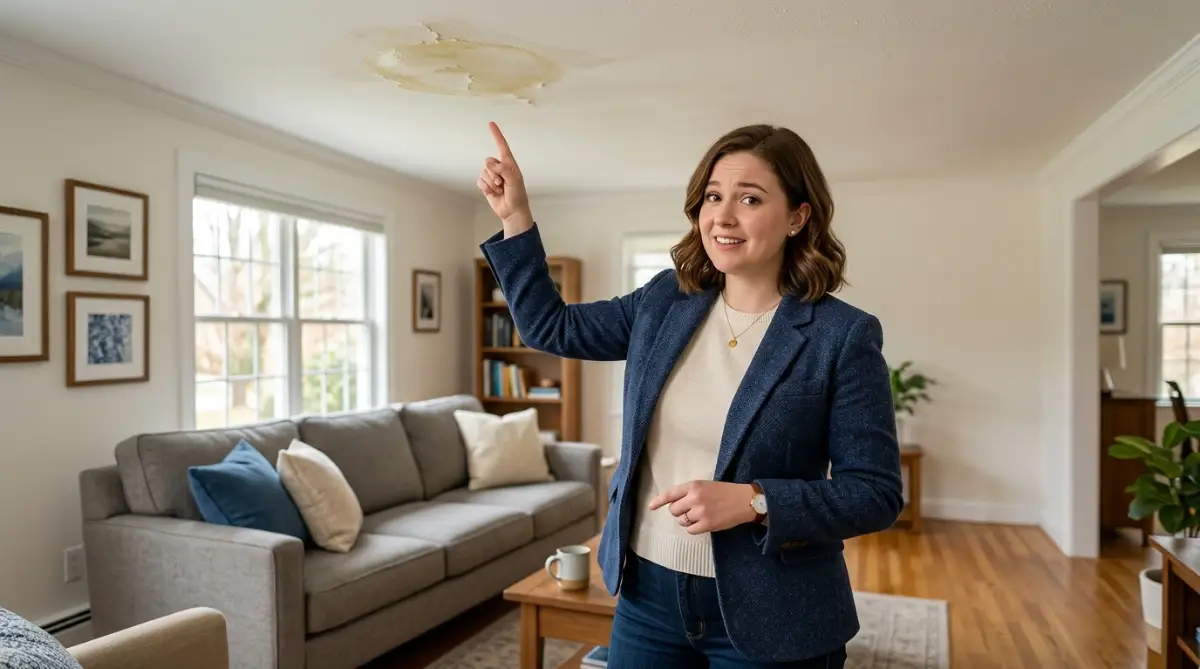
Expert Insight: Even a small water stain on the ceiling can mean a huge mold problem in the attic. Never ignore a "yellow circle" on the drywall.
Electrical Systems: The Silent Danger
Old wiring is not just a repair issue; it is a fire hazard. You should always peek at the electrical panel.
Does the panel look organized? Or does it look like a "bird's nest" of tangled wires?
Look for flickering lights when you turn on a switch. This often means the wiring is loose or outdated.
In older homes, look for "knob and tube" wiring. Most insurance companies will not even cover a house with this type of system.
Smell the air near the outlets. Do you notice a faint burning plastic smell?
If an outlet feels warm to the touch, stop everything. This is a major red flag that requires an immediate expert.
We often forget to check if the outlets are "GFCI" protected. These are the ones with the "reset" buttons found in kitchens and bathrooms.
If a house lacks these near water sources, the electrical system is not up to code.
Plumbing Puzzles and Water Woes
Water is a homeowner's worst enemy. It can destroy wood, create mold, and ruin your health.
Start by turning on the faucets in the kitchen and bathrooms. How is the water pressure?
If the water starts strong but slows down, there might be a blockage in the pipes.
Check under the sinks with a flashlight. Look for dampness or warped wood at the bottom of the cabinet.
Myth vs. Reality: Many think a small drip is easy to fix. Reality? That drip might have been happening for years, rotting the floor joists below.
Flush all the toilets. Do they drain quickly?
If you hear a gurgling sound in the tub when you flush, the sewer line might be clogged.
Sewer line repairs can cost thousands of dollars. You should always ask if the pipes are made of lead or galvanized steel.
Modern homes use PVC or copper. Older pipes will eventually rust and burst.
The Smell Test: Trust Your Nose
Your nose is a powerful inspection tool. What does the basement smell like?
A musty, earthy smell almost always means mold or mildew. Even if you can't see it, the spores are in the air.
Sellers often try to hide smells with scented candles or air fresheners. Be suspicious of a house that smells too much like "vanilla" or "cinnamon."
What are they trying to cover up? It could be pet urine or a moldy crawlspace.
Check the walls for "efflorescence." This is a white, powdery substance found on concrete walls.
It happens when water seeps through the wall and leaves minerals behind. It is a clear sign of a wet basement.
Pro Tip: If the basement has a dehumidifier running, ask why. It might be keeping a major moisture problem hidden.
Windows and Ventilation
Windows keep the heat in and the cold out. They are also very expensive to replace.
Look for foggy glass in double-pane windows. This means the seal has failed.
A failed seal makes the window useless for insulation. You will see your energy bills skyrocket.
Check the frames for soft wood. You can use a pen to gently poke the wood.
If the wood feels like a sponge, it is rotten. This often happens if the windows were not installed correctly.
Proper ventilation is also key. Does the bathroom have an exhaust fan?
If the fan vents into the attic instead of outside, you will have a mold factory in your roof.
I once saw a house where the kitchen vent just blew smoke back into the room. Always check where the air is going.
Exterior Grading: Where Does the Water Go?
Go outside and look at the ground around the house. The soil should slope away from the foundation.
If the ground is flat or slopes toward the house, you will have a flooded basement.
Check the "downspouts" on the gutters. Do they dump water right next to the wall?
Water should be carried at least five to ten feet away from the house.
Look for "puddles" or soggy spots in the yard. This might indicate a broken main water line or a failing septic system.
A healthy yard should be firm, not "squishy."
The HVAC System: Comfort and Cost
The heating and cooling system is the "lungs" of the home. Check the date of manufacture on the furnace.
Most systems only last 15 to 20 years. If the unit is old, you need to budget for a replacement soon.
Turn on the AC and listen. Does it make a loud banging or screeching sound?
Strange noises usually mean the compressor is about to fail.
Check the air filters. If they are filthy, it shows the owner did not maintain the home.
A homeowner who forgets to change a 5-dollar filter probably forgot other big repairs too.
Scenario: You buy the house in the winter. You forget to test the AC. Summer hits, and you find out the unit is dead. Always test both systems!
Pests and Unwanted Guests
Termites can eat a house from the inside out. Look for mud tubes on the foundation walls.
These look like small veins made of dirt. Termites use them to travel safely.
Check the wood in the basement for "hollow" sounds. Give it a knock.
If it sounds like a drum, bugs might be living inside.
Look for droppings in the corners of the garage or attic. Mice and rats carry diseases and chew on wires.
Chewed wires can cause house fires. Pest issues are often a sign of neglect.
Walls and Ceilings: Reading the Signs
Fresh paint is a common trick used by sellers. It can hide water stains and cracks.
Look closely at the texture of the walls. Does one spot look different?
A "patch job" usually means something was leaking.
Check the corners where the wall meets the ceiling. Are there large gaps?
This can indicate that the house is shifting significantly.
In the kitchen, look behind the appliances. This is where most people forget to clean and paint.
You might find mold or old water damage hiding behind the fridge.
The "Gut Feeling" and Next Steps
Sometimes, a house just feels "off." Maybe the floors creak too much.
Maybe the air feels heavy or damp. Trust your intuition.
A home inspection walkthrough is your chance to ask questions. Do not be afraid to look in every corner.
Open every closet. Peek under every rug.
Summary Table of Red Flags:
FeatureWhat to Look ForWhy it MattersFoundationHorizontal cracks / Sloping floorsMajor structural failureRoofCurling shingles / Attic lightExpensive leaks and rotElectricalBurning smell / Flickering lightsSerious fire riskPlumbingLow pressure / Ceiling stainsMold and wood decayExteriorSoil sloping toward houseBasement flooding risk
Buying a home is a huge journey. Being smart now prevents misery later.
We have covered the basics, but the details matter even more.
In the next section, we will look at more complex systems. We will also talk about how to negotiate if you find these red flags.
Don't let a "pretty" house blind you to the truth. Stay sharp and keep your eyes open.
Your dream home is out there, but it shouldn't be a nightmare in disguise.
Always hire a professional inspector to verify your findings. This walkthrough is just your first line of defense.
Let's keep moving forward and explore even more ways to protect your wallet.
Going Beyond the Surface: Professional Inspection Secrets
You have already looked at the walls, the roof, and the pipes. But some of the most dangerous problems in a house are the ones you cannot see with the naked eye.
Smart buyers know that a house is like a human body. The paint is the skin, but the electrical and plumbing systems are the veins and nerves.
One of the best tools a modern inspector uses is a thermal imaging camera. This device "sees" heat and cold.
If there is a hidden leak behind a bathroom wall, the camera will show a cold spot. It can also find missing insulation in walls that look perfectly fine.
Ask your inspector if they use infrared technology. It is a small detail that can save you from a hidden mold nightmare later on.
Another secret is the "Sewer Scope." Most standard inspections only look at the pipes inside the house.
They don't look at the main line running from the house to the street. Tree roots can grow into these pipes and crack them.
Replacing a main sewer line can cost as much as a small car. If the house is older or has large trees in the yard, this test is non-negotiable.
The Air You Breathe: Radon and Invisible Threats
We often worry about what we can see, but what about the air? Radon gas is a silent, odorless killer that leaks from the ground into many homes.
According to the Environmental Protection Agency, radon is the second leading cause of lung cancer. You cannot smell it or taste it.
A professional radon test takes a few days. If the levels are high, the seller should install a mitigation system.
Do not let the fear of gas stop you from buying a home you love. Most radon issues are easy to fix once you know they exist.
Also, think about lead paint and asbestos. If the house was built decades ago, these materials might be hiding in the walls or around old pipes.
As long as these materials are not disturbed, they are often safe. However, if you plan on remodeling, you need to know exactly where they are.
Pro Tip: Always check the age of the water heater. Look for a small sticker on the side.
If the water heater is more than twelve years old, expect it to leak soon. It is a simple thing, but it is one less surprise for your first year in the house.
Staying Ahead of the Game: Long-Term Maintenance
Owning a home is a marathon, not a sprint. Once you move in, you become the chief caretaker of the property.
The best way to keep your home value high is through "Preventative Maintenance." This means fixing things before they actually break.
Clean your gutters every single autumn. If they get clogged, water will back up under your roof shingles and rot the wood.
Test your sump pump twice a year. You don't want to find out it is broken during a massive rainstorm.
If you are planning to run a business from your new space, you should also think about the legal side of property ownership. Understanding the difference between a sole proprietorship vs LLC can help you decide how to hold your home office assets.
Change your HVAC filters every three months. This keeps the air clean and prevents the motor from burning out.
Keep an eye on the "grading" around your house. If you notice the soil sinking near the foundation, add more dirt to keep the slope going away from the walls.
These small habits will save you tens of thousands of dollars over the years. A well-maintained home is much easier to sell when the time comes.
The Trap of Emotional Blindness
Buying a home is emotional. You start picturing where the Christmas tree will go or where the kids will play.
This is where many buyers make a deadly mistake. They fall in love with the "vibe" and ignore the "facts."
I have seen people walk past a giant crack in the basement because the kitchen had "beautiful subway tile." They let their heart make a financial decision.
Never ignore a red flag just because the house is in a great school district. A great location won't fix a cracked foundation.
Another huge mistake is rushing the walkthrough. If the seller or the agent is pushing you to move faster, slow down.
They might be trying to keep you from noticing something important. You are paying hundreds of thousands of dollars; you have the right to take your time.
Some buyers also try to save money by not attending the inspection. This is a massive missed opportunity.
When you are there in person, the inspector can show you exactly how to turn off the main water valve. They can explain the difference between a minor cosmetic crack and a structural one.
Trusting the Wrong "Experts"
Sometimes, buyers bring a friend who "knows about houses" instead of a certified pro. While your uncle might be a great handyman, he isn't a certified home inspector.
Handymen look for things they can fix. Professional inspectors look for liability and safety.
There is a big difference. Also, be careful about the "Seller's Disclosure."
Just because the seller says there have been no leaks doesn't mean it's true. They might have lived there for years and simply stopped noticing the damp smell in the basement.
Always verify everything with your own eyes and your inspector’s tools. If you find out later that the seller lied, you might have a long legal battle ahead.
Even if you signed a waiver, you might still have legal rights depending on the situation. Knowing your rights can save you from a total financial loss.
Lastly, don't get distracted by "ugly" things that are easy to change. Stained carpets, old wallpaper, and bad paint colors are not red flags.
These are opportunities to get a better price. Focus on the expensive bones of the house, not the cheap clothes it is wearing.
The Power of the "Walk-Away"
The most powerful tool you have as a buyer is your feet. You must be willing to walk away from a deal.
If the inspection report comes back with a list of major safety issues and the seller refuses to fix them, let it go. There will always be another house.
Don't let "sunk cost fallacy" ruin your future. Just because you spent money on an appraisal and an inspection doesn't mean you have to buy a bad house.
It is much cheaper to lose a few hundred dollars now than to lose fifty thousand dollars later.
Your Action Plan for a Safe Purchase
You now have the knowledge to spot the most common house horrors. You know to look for water, listen for strange noises, and smell for hidden mold.
The next time you walk into a "perfect" home, keep your guard up. Check the electrical panel, look at the roof lines, and test the faucets.
If you find issues, don't panic. Use them as negotiation points.
Ask for a credit to fix the roof. Ask the seller to repair the electrical box before closing.
Most sellers expect a few requests after an inspection. It is all part of the process.
If you feel overwhelmed, take a deep breath. You are doing the hard work now so you can enjoy your home for years to come.
Your dream of homeownership should be a source of joy, not a source of constant repairs. By watching for these red flags, you are protecting your family and your future.
Take this checklist with you. Stay objective. Stay smart.
You are not just buying a building; you are buying your future peace of mind. Go out there and find a home that is as solid as it is beautiful.
If you run into legal trouble during the process, remember that there are protections in place for buyers. For example, knowing why most NDAs fail might even be useful if you are dealing with a complex high-end real estate contract.
You have the tools. Now, go make a wise investment.
Disclaimer: The information provided in this blog post is for educational and informational purposes only. It does not constitute professional real estate, legal, or financial advice. Always consult with a licensed home inspector and a real estate attorney before making any major property purchases. The author and the website are not responsible for any decisions made based on this content.