
The Hidden Anxiety of the Home Valuation Process
Imagine you have lived in your house for ten years. You have painted the walls, fixed the leaky roof, and raised your family there. Now, you are ready to sell or refinance. You call an appraiser, feeling confident.
But when the report comes back, your heart sinks. The value is much lower than you expected. This isn't just a number on a page. This is your hard-earned equity disappearing.
I have talked to many homeowners who feel cheated by this process. They feel like a stranger walked through their front door and judged their entire life in thirty minutes. It feels unfair and cold.
The reality is that appraisers are human. They follow rules, but they also react to what they see and smell. If your grass is long or your basement is cluttered, they subconsciously see "neglect."
This "neglect" translates into lower dollar signs. You might lose out on the dream home you wanted to buy next. You might fail to get the loan you need for your child's college.
It is a stressful situation that keeps many people awake at night. You wonder, "Did I clean enough? Should I have fixed that cracked tile?" The uncertainty is the worst part.
But here is the good news. You have more control than you think. You can influence the outcome by understanding how the "game" is played. Let's look at how you can turn that anxiety into confidence.
Creating a Powerful First Impression Through Curb Appeal
The appraisal starts the moment the professional pulls up to your curb. They are already forming an opinion before they even step out of their car. If the outside looks messy, they expect the inside to be worse.
Mow your lawn and trim the edges perfectly. A neat yard suggests that the homeowner cares about the property. It gives a sense of order and routine maintenance.
Wash your windows until they sparkle. Clean glass lets in more light and makes the whole house look newer. It is a small task that offers a big psychological boost to the viewer.
Paint your front door if it looks faded or scratched. The front door is the focal point of the exterior. A fresh coat of black or navy blue can make the house look sophisticated and expensive.
Clear the walkways of any toys, tools, or debris. You want the appraiser to have a smooth, unobstructed path to your entrance. This creates a literal "pathway" to a higher valuation.
The Magic of a Deeply Cleaned Interior
You do not need a full renovation to increase your value. Sometimes, a bottle of bleach and a microfiber cloth are your best friends. Dirt is often mistaken for permanent damage by the naked eye.
Scrub your baseboards and corner moldings. These areas collect dust that people often ignore. When they are white and clean, the entire room feels fresher and more "move-in ready."
Eliminate all odors before the appraiser arrives. Do not just spray heavy perfumes, as this looks suspicious. Instead, bake a tray of cookies or simply air out the house.
Clear the kitchen counters of everything except maybe one nice appliance. Empty counters make the kitchen look much larger. Space is one of the most valuable "assets" in any home valuation.
Organize your closets and storage spaces. Even though the appraiser is looking at the structure, a messy closet makes it look like there isn't enough storage. Neatly folded clothes suggest the house is easy to manage.
Building a "Home Value Portfolio" for the Appraiser
Don't expect the appraiser to find every upgrade you have made. They are busy and might miss the new insulation you put in the attic. You need to be your own advocate.
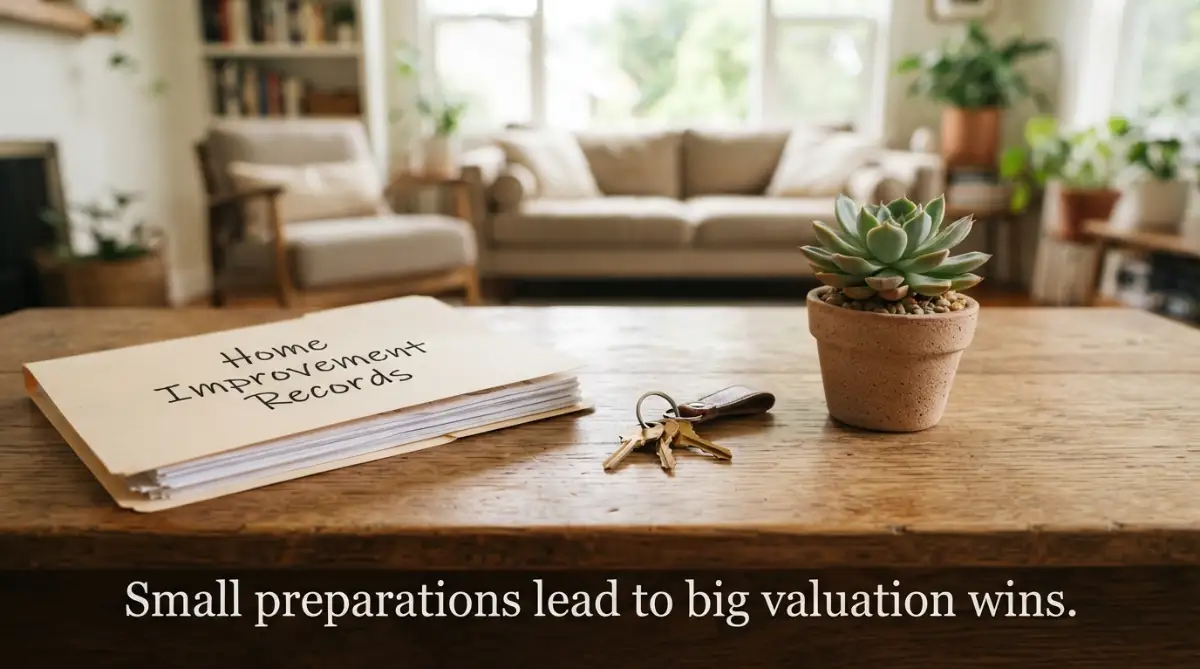
List every major repair you have completed in the last few years. Include the dates and the approximate costs. This shows that you have invested money back into the bones of the property.
Gather your permits for any structural work or electrical upgrades. Showing that the work was done legally and professionally adds a layer of trust. It proves the house is safe and up to code.
Highlight "invisible" upgrades like a new water heater or a high-efficiency HVAC system. These items don't always look pretty, but they add significant functional value to the home.
Provide a map of the neighborhood showing nearby parks or new schools. While the appraiser knows the area, pointing out specific local benefits can't hurt. It reminds them why your specific location is desirable.
Addressing Minor Fixes Before They Become Major Penalties
Appraisers look for "deferred maintenance." This is a fancy term for things you should have fixed but didn't. Small issues can lead to a "C4" or "C5" condition rating, which lowers your value.
Fix every leaky faucet in the house. A dripping tap suggests plumbing issues, even if it is just a simple washer change. It signals to the appraiser that the house might have hidden water damage.
Replace burnt-out lightbulbs in every room. You want the house to be as bright as possible. Dark corners make rooms feel smaller and can hide the quality of your flooring or walls.
Patch small holes in the walls from old picture frames. Smooth walls look well-maintained and ready for a fresh coat of paint. It takes away the "work" the next owner would have to do.
Ensure all doors open and close smoothly. A sticking door can suggest the house is settling or has foundation issues. Usually, it just needs a little oil or a tightened screw, so do it now.
Task CategoryAction ItemEstimated TimeExteriorMow lawn & trim bushes2 HoursKitchenClear all countertops30 MinutesDocumentationPrint list of upgrades1 HourLightingReplace all dead bulbs20 Minutes
Understanding the "Comps" in Your Neighborhood
An appraiser looks at "comparables," which are similar houses that sold recently nearby. You should know what these are so you can discuss them if needed.
Find three houses that are similar to yours in size and age. Look at what they sold for and how they compare to your home's condition. This gives you a realistic baseline for your own expectations.
Note the differences between your home and the cheaper ones down the street. Maybe you have a finished basement and they don't. Maybe your roof is newer. These details justify a higher price.
Don't compare your house to "active" listings. Only "sold" prices matter to an appraiser. Active listings are just dreams; sold prices are the cold, hard reality of the market.
Be ready to explain unique features. If you have a custom deck or specialized landscaping, explain how it adds value. Don't assume the appraiser will automatically see the worth of your custom work.
The Etiquette of the Appraisal Visit
How you behave during the visit can actually matter. You want to be helpful without being annoying. A professional relationship can lead to a smoother process.
Be present but give them space. You should be there to answer questions, but don't follow them from room to room. Let them do their job without feeling like you are hovering over their shoulder.
Secure your pets in a crate or take them for a walk. An appraiser cannot focus if a dog is barking at them or a cat is tripping them up. A quiet house is a professional environment.
Keep the temperature comfortable. If the house is too hot or too cold, the appraiser will want to leave as quickly as possible. You want them to stay long enough to see all the good features.
Turn on all the lights before they arrive. This saves them time and ensures they see the house in the best possible light. It also shows that all your electrical fixtures are working perfectly.
Why "Functional Utility" Matters for Your Value
Appraisers look at how well a house "works" for a modern family. This is called functional utility. If your floor plan is awkward, it can hurt your valuation.
Define the purpose of every room. If you have a "junk room," turn it into a home office or a guest bedroom. This helps the appraiser see the maximum number of usable rooms in your house.
Remove excess furniture to improve "flow." If a room is too crowded, it feels smaller and harder to walk through. Open space makes the layout feel more modern and logical.
Highlight storage solutions. If you have added built-in shelving or a pantry, make sure the appraiser notices. In today's market, smart storage is a huge selling point and adds value.
Check your window treatments. Heavy, dark curtains can make a room feel closed off. Switch to light, airy blinds or curtains to make the windows feel larger and the view more accessible.
The Science of "Condition vs. Quality"
It is important to know the difference between these two terms. Quality is about the materials used (granite vs. laminate). Condition is about how well those materials have been kept.
You can't easily change quality, but you can change condition. A well-maintained laminate counter can sometimes be better than a cracked, stained granite one. Focus on making what you have look "like new."
Clean the grout in your bathroom tiles. Dingy grout makes a high-quality tile look old and cheap. A simple cleaning pen can make your bathroom look like it was renovated yesterday.
Polish wood floors to remove surface scratches. Shiny floors reflect light and suggest that the wood is in excellent health. It gives the impression of a high-quality interior throughout the home.
Ensure your appliances are spotless. Even if they are older models, clean appliances suggest they have been serviced regularly. This reduces the "perceived age" of the kitchen in the appraiser's mind.
Finalizing Your Pre-Appraisal Walkthrough
Before the doorbell rings, do one final sweep of the property. This is your last chance to catch any small errors that might distract the professional.
Check the "smell test" one last time. Open the windows for ten minutes to get fresh air moving. A neutral-smelling house is always better than one that smells like cleaning chemicals.
Clear the entryway of shoes and coats. You want the first three seconds of their entry to feel spacious and calm. This sets a positive tone for the rest of the thirty-minute tour.
Put out a "feature sheet" on the counter. This is a one-page paper that lists the best things about the house. It gives the appraiser something to take home and refer to while writing their report.
Take a deep breath and relax. You have done the work. You have prepared the records, cleaned the corners, and fixed the leaks. You are now ready for a fair and accurate valuation.
Master Strategies for Sustaining and Proving Your Home’s Worth
Getting a fair appraisal isn't just about what you do the day before the appraiser arrives. It is about a long-term commitment to maintaining the health of your property. Think of your house as a living organism that needs constant care to stay strong.
Many homeowners make the mistake of waiting until they want to sell to start caring about value. By then, the cost of repairs might be too high to handle all at once. Consistency is the secret weapon of the high-value homeowner.
One of the most effective ways to stay ahead is to keep a "Home Health Log." Every time you change a furnace filter or clean the gutters, write it down. This simple habit shows a professional appraiser that the house has been loved and protected.
Energy efficiency is another area where you can find hidden value. Modern buyers and appraisers are looking for homes that won't cost a fortune to heat or cool. If you have added extra insulation or installed a smart thermostat, make sure you have the receipts ready.
These small tech upgrades might not seem like much, but they suggest a modern and updated infrastructure. When the appraiser sees a well-maintained system, they are less likely to look for "hidden" problems. They see a home that is ready for the future.
You should also look at your neighborhood’s specific trends. Is everyone adding outdoor living spaces or home offices? Aligning your home with local demands ensures you don't become an outlier in the market.
If your neighbors are all upgrading to quartz counters and you still have old tile, your value might take a hit. Staying "current" with local standards is a smart way to protect your equity over time. You don't need to lead the pack, but you definitely don't want to fall behind.
Sometimes, it pays to spot critical home inspection red flags before the appraiser ever shows up. Knowing what a professional inspector looks for can help you fix issues that an appraiser would surely penalize. This proactive approach saves you from nasty surprises during the valuation.
The Power of Permitted Improvements
A massive secret to high valuations is the paper trail behind your renovations. Many people try to save money by doing unpermitted work, but this often backfires during an appraisal. An appraiser might actually give zero value to a beautiful finished basement if it wasn't done with a permit.
Worse yet, unpermitted work can sometimes be seen as a liability. If the wiring isn't up to code, the appraiser might have to note it as a safety hazard. This can stall your loan or sale indefinitely.
Always keep copies of your building permits and final inspection certificates. Presenting these to the appraiser proves that the work was done to a high standard. It removes any doubt about the quality and safety of your upgrades.
If you have already done work without a permit, consider talking to a local contractor about "retroactive" permits. It can be a bit of a headache, but it is better than losing thousands of dollars in home value. A legal room will always beat an illegal one in a professional report.
Creating a Competitive Edge Through Landscaping
We often think about the inside of the house, but the dirt around it matters just as much. Professional landscaping can add a significant percentage to your total valuation. It isn't just about planting flowers; it is about "structured" outdoor space.
Mature trees are incredibly valuable. They provide shade, beauty, and a sense of permanence that new builds simply don't have. Ensure your trees are trimmed and healthy so they look like an asset rather than a falling hazard.
If you have a patio or a deck, treat it like an extra room of the house. Power wash the wood and add a few pieces of clean furniture. This helps the appraiser visualize the "livable square footage" extending beyond the walls.
Proper drainage is a technical detail that appraisers love. If you can show that water flows away from the foundation correctly, you solve a major concern. It proves that the "bones" of the property are safe from water damage.

Fatal Errors That Drain Your Home’s Market Value
One of the biggest mistakes you can make is "over-improving" for the area. If you put a $100,000 kitchen in a neighborhood where the average home price is $200,000, you won't get that money back. The appraiser is limited by what the neighbors' houses are worth.
You want to be the best house on the block, but only by a little bit. If you go too far, your house becomes "too expensive" for the local market. This results in a disappointing appraisal that doesn't match your spending.
Another common trap is staying silent during the visit. While you shouldn't follow the appraiser around like a shadow, being too quiet is also a mistake. If they don't know about the new sub-pump or the reinforced attic joists, they can't give you credit for them.
Don't assume they will see every detail. They are human and can miss things in a quick walkthrough. A polite, typed list of upgrades is your best tool to ensure nothing is overlooked.
Never try to hide damage with furniture or rugs. Appraisers are trained to look for "cover-ups." If they find a hidden crack or a water stain, they will wonder what else you are hiding. Honesty is always the best policy for a smooth valuation.
It is also a mistake to ignore the realities of the escrow process if you are selling. Understanding how the appraisal fits into the bigger picture of the closing helps you stay calm. If you know the steps, you won't feel so overwhelmed when the appraiser starts taking photos.
The Danger of Emotional Attachment
We all love our homes, but the appraiser does not care about your memories. They are looking at the house as a physical product. Avoid telling long stories about why a certain room is special to you.
Focus on the facts: square footage, materials used, and the age of the systems. The appraiser needs data they can put into a spreadsheet. Emotional appeals usually just distract them from doing their job efficiently.
If you feel yourself getting defensive about a critique, take a step back. Remember that the appraiser's goal is to find the "market value," not to judge your lifestyle. Keeping the conversation professional and data-driven will always yield better results.
Why You Don't Need a Perfect House for a Good Score
Some people think they need to spend thousands on a down payment for a new place before they even fix their current one. But you don't always need a twenty percent down payment to move forward in real estate. The goal is to maximize the value you have right now.
You don't need a "perfect" house to get a fair valuation. Appraisers expect a house to look lived-in. What they don't want to see is "neglect." There is a big difference between a few toys on the floor and a hole in the drywall.
Focus on "clean and functional" rather than "perfect." If every light switch works and the walls are clean, you are already ahead of most people. Most buyers and appraisers just want to see that the house is solid and reliable.
Dealing With a Low Appraisal: The Rebuttal Process
Sometimes, despite your best efforts, the number comes back low. This isn't the end of the road. You have the right to request a "Reconsideration of Value."
To do this, you need to find errors in the report. Did they get the square footage wrong? Did they miss a bathroom? Or perhaps they used "comparables" that weren't really similar to your home.
Gather data on similar sales that the appraiser might have missed. If a house down the street sold for a high price but wasn't on the public list yet, show them the proof. Providing new, verified data is the only way to get a report changed.
Keep your tone professional and helpful during this process. Don't attack the appraiser's skills. Instead, present yourself as a partner who is providing additional information to help them be more accurate.
Your Final Checklist for a Winning Valuation
As the big day approaches, stay organized and focused on the small wins. Your goal is to make the appraiser's job as easy as possible. When they have a smooth experience, the report usually reflects that positivity.
Here is a quick action plan for your final 24 hours:
- Declutter every surface to make rooms feel expansive and open.
- Secure your pets so the appraiser can move freely without distractions.
- Gather all receipts for major upgrades and place them in a neat folder.
- Provide a list of "Comps" that you feel accurately represent your home’s value.
- Check the lighting in every room to ensure a bright and welcoming atmosphere.
By taking these steps, you are taking charge of your financial future. You aren't just waiting for a number; you are actively building the case for your home's worth. This confidence will shine through during the entire process.
A Bright Future for Your Home Equity
Preparing for a professional appraisal might feel like a lot of work, but it is one of the best investments you can make. The difference between a "good" and a "great" appraisal can be tens of thousands of dollars. That is money that stays in your pocket for your next big adventure.
Remember that your house is your greatest asset. Treating it with respect and staying on top of repairs pays off in the long run. You are now equipped with the secrets that professional real estate investors use to win.
Don't wait until the last minute to start these habits. Start today by organizing your records or cleaning up that one corner of the yard you've been ignoring. Every small action adds up to a much bigger valuation.
You have the tools, the knowledge, and the plan. Now, it is time to put them into action. Your home is worth the effort, and soon, you will have the professional report to prove it.
Disclaimer: This article is for informational purposes only and does not constitute professional real estate, financial, or legal advice. Home values can fluctuate based on market conditions, location, and individual appraiser judgment. Always consult with a licensed real estate professional or appraiser for specific guidance regarding your property. External links are provided for additional context and do not imply a guarantee of the services offered by those third-party sites.