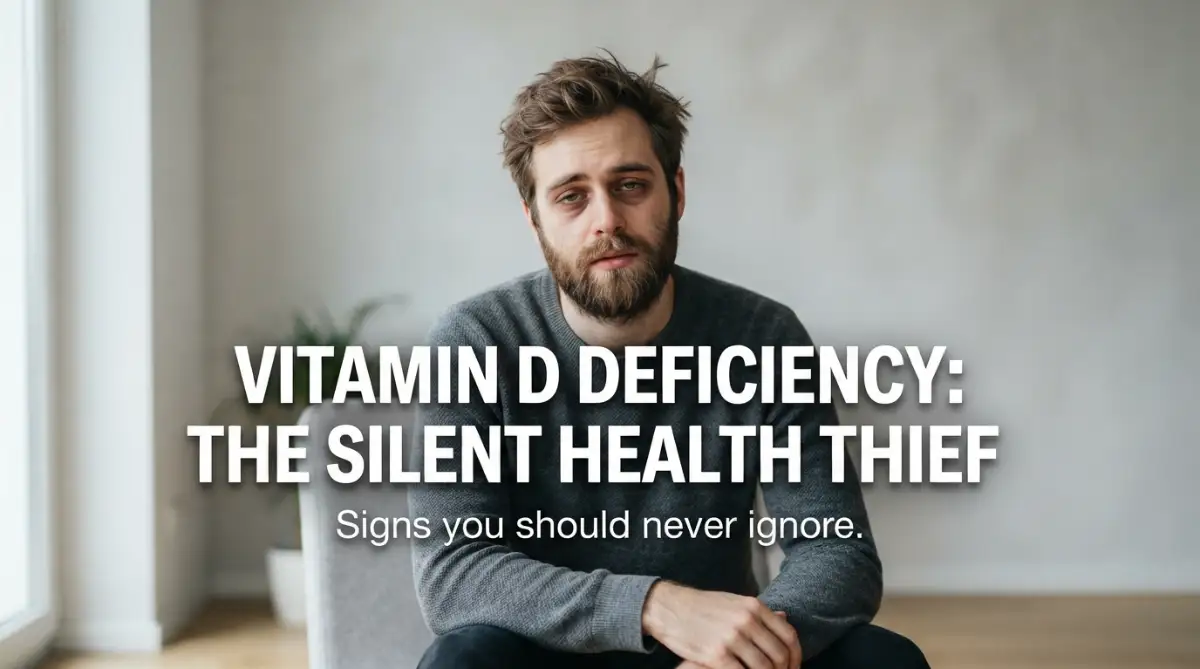
The Invisible Weight You Carry Every Day
Have you ever woken up after eight hours of sleep and still felt like a truck hit you? You drag your feet to the kitchen. You pour a coffee. But that heavy feeling in your limbs just won't go away.
Many people live their lives in a constant fog. They think it is just "getting older" or "stress from work." They ignore the dull ache in their lower back. They ignore the way their mood drops the moment the sun goes down.
I talked to a friend recently who felt this exact way. She was struggling to keep up with her kids. She felt sad for no reason. Her hair was thinning, and she felt weak.
"I feel like I'm breaking," she told me. She had seen doctors, but they told her she was just "busy." This is the harsh reality for millions. We are living in an era where we stay indoors, use heavy sunscreen, and eat processed foods.
We are starving our bodies of the "Sunshine Vitamin." This isn't just about a supplement. It is about your mental peace and your physical freedom. When your body lacks this key nutrient, it sends distress signals. If you don't listen, the whispers turn into screams.
Are you feeling irritable? Are your bones aching after a simple walk? This is not just "life." It might be your body begging for help. Understanding these signs is the first step to feeling like yourself again.
Why Your Energy Is Disappearing
The most common sign of a problem is unexplained fatigue. We often blame caffeine or lack of sleep. But there is a deeper biological reason.
Vitamin D acts more like a hormone than a simple vitamin. Every single cell in your body has a receptor for it. This means it helps your cells produce energy.
When levels are low, your cells move slowly. It is like trying to run a high-end laptop on a dying battery. You might feel a "heaviness" in your legs. Even simple tasks like folding laundry feel like a marathon.
Research shows that people with very low levels have much higher fatigue scores. The scary part? Many people don't realize they are low until they are severely depleted.
If you find yourself needing a nap every single afternoon, stop. Don't just reach for another energy drink. Look at your nutrient levels first.
The Mystery of Aching Bones and Back Pain
Do you ever feel a deep ache in your bones? Not a muscle ache, but something deeper. It feels like it is coming from the very core of your frame.
This vitamin is the key that unlocks calcium absorption. Without it, the calcium you eat just passes through you. Your body then starts "stealing" calcium from your bones to keep your blood levels steady.
This leads to a softening of the bones. Doctors call this osteomalacia. For you, it just feels like your lower back is always throbbing.
Pay attention to your shins or your ribcage. If you press on your shin bone and it hurts, that is a big red flag. This is not normal aging. It is a sign of structural hunger.
Why You Catch Every Cold That Goes Around
Think back to the last few months. How many times have you had a sniffle or a cough? If you are the first person in the office to get sick, your immune shield might be down.
This vitamin interacts directly with the cells that fight infections. It tells your immune system to wake up when a virus enters.
Without it, your "army" stays asleep. You become an easy target for every germ. Scientific studies have linked low levels to respiratory tract infections like bronchitis and pneumonia.
If you are tired of being sick, you need to check your sunshine levels. A strong immune system is your best defense. Don't leave your body unprotected.
The Dark Cloud Over Your Mood
Have you noticed you feel sadder in the winter? Or maybe you just feel "blah" most days. There is a strong link between your brain and the sun.
Receptors for Vitamin D are found in areas of the brain linked to depression. It helps produce serotonin, the "happy chemical."
When you don't get enough, your serotonin levels can plummet. This creates a feeling of hopelessness or anxiety.
ConditionCommon FeelingPossible CauseSADSeasonal sadnessLack of sun exposureLow EnergyChronic fatigueMitochondrial slow-downBone PainDeep throbbingCalcium malabsorption
Myth vs. Reality
- Myth: You only need Vitamin D for strong bones.
- Reality: It affects your brain, heart, and lungs too.
Slow Healing: Why Your Body Isn't Repairing Itself
Did you get a small cut that took weeks to heal? Or maybe a bruise that stayed purple for a month. This is a subtle sign that often gets missed.
This vitamin increases the production of compounds that are essential for forming new skin. It also helps control inflammation.
When levels are low, the healing process stalls. This is especially true for people who have had surgery or minor injuries.
If your body is slow to repair, it is trying to tell you something. It doesn't have the "bricks and mortar" it needs to fix the damage. Boldly check your levels if your skin seems "lazy" in its recovery.
The Frustration of Sudden Hair Loss
Losing hair is stressful. You see more of it in the shower drain. You see it on your pillow. While stress is a factor, nutrient deficiency is a huge culprit.
Severe hair loss is often linked to a lack of nutrients. Specifically, Vitamin D plays a role in the hair follicle cycle.
When the levels are too low, the hair stays in the "resting" phase too long. It stops growing and eventually falls out.
Many women, in particular, suffer from this. They try expensive shampoos and oils. But the problem is internal. You can't fix a root problem with a surface solution.
Muscle Weakness and Unexplained Soreness
Do you feel wobbly when you stand up from a chair? Or do your muscles feel sore even when you haven't worked out?
The receptors we mentioned earlier are also in your muscle cells. This vitamin helps with muscle contraction and strength.
Low levels lead to muscle fibers breaking down faster. This creates a feeling of weakness. It can even lead to more falls in older adults.
If you feel like your muscles are "heavy" or "sore" for no reason, don't ignore it. It is your body's way of saying it is running on empty.
Pro Tip: If you work in an office or stay indoors most of the day, you are at a much higher risk. Even "fortified" foods usually don't provide enough for an adult's needs.
Why Sunscreen Might Be Part of the Problem
We are told to wear sunscreen to protect our skin. This is important for preventing cancer. However, SPF 30 reduces your body’s Vitamin D production by about 95%.
Your skin needs UVB rays to create this nutrient. If you always cover up or stay behind glass, you aren't making any.
Glass blocks almost all UVB rays. So, sitting by a sunny window in your office doesn't count. You need direct skin exposure.
Most people need about 15 to 20 minutes of midday sun a few times a week. But for those with darker skin, you might need much more. Melanin acts as a natural filter, making it harder for the skin to produce the vitamin.
The Role of Weight in This Deficiency
Did you know that body weight can affect your levels? This vitamin is fat-soluble. This means it gets stored in fat tissue.
If you have a higher body mass index (BMI), the vitamin gets trapped in the fat. It doesn't get into the blood where your body can use it.
This creates a vicious cycle. You feel tired and sore, so you move less. Because you move less, it is harder to maintain a healthy weight.
People with more body fat often need higher doses to reach the same blood levels as someone thinner. It is not about "eating less." It is about biological availability.
How Aging Changes the Game
As we get older, our skin changes. It becomes less efficient at converting sunlight. Your kidneys also become less effective at turning the vitamin into its active form.
This is why many older adults suffer from brittle bones and frequent falls. They might be eating well, but their body isn't "processing" the sun like it used to.
If you are over 50, you should be extra careful. Regular testing is the only way to know for sure where you stand. Don't wait for a broken hip to find out you were low.
The Silent Threat to Heart Health
Some researchers believe that low levels can affect your heart. While the science is still growing, there is a link between deficiency and high blood pressure.
It may help keep your blood vessels flexible. When they become stiff, your heart has to work harder.
This puts a strain on your whole system. It is one more reason why this "simple" vitamin is so important for long-term survival.
Identifying Your Risk Factors
Are you at risk? Let's look at the check-list:
- Do you live in a cloudy climate?
- Do you have darker skin?
- Do you spend more than 8 hours indoors?
- Are you over the age of 50?
- Do you always wear sunscreen or long sleeves?
If you answered "yes" to more than two of these, you need to be proactive. You don't have to live with the fatigue and the pain.
The Path Forward: What Should You Do Next?
The first thing you must do is get a blood test. Don't guess. Don't just start taking high doses of supplements without knowing your numbers.
A simple 25-hydroxy Vitamin D test will tell you exactly where you are. Doctors usually want to see levels between 30 and 50 ng/mL.
If you are below 20, you are in the danger zone. At this point, you need a plan.
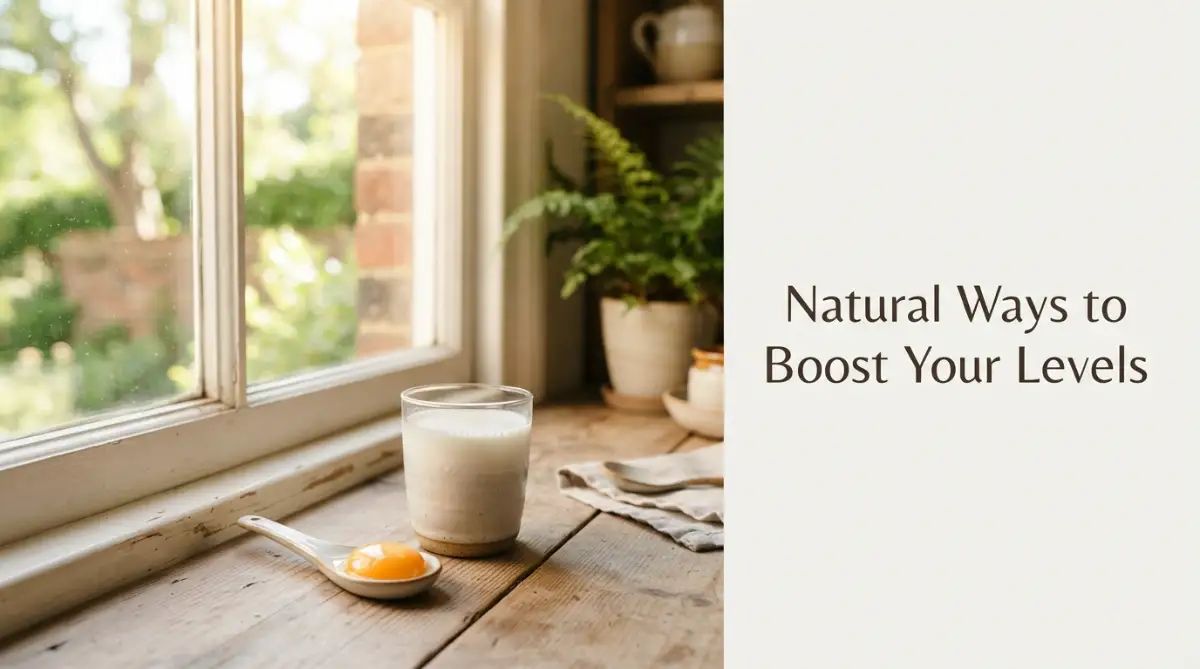
Small changes can make a big difference. Try to eat more fatty fish like salmon or sardines. Look for egg yolks from pasture-raised chickens.
But remember, food alone is rarely enough. The sun is your best friend, but supplements are often necessary in our modern world.
Final Thoughts for Part 1
We have covered a lot of ground. From the emotional toll of chronic fatigue to the science of bone health.
Your body is a complex machine. It needs the right "fuel" to run. Vitamin D is that essential fuel.
Don't ignore the aches. Don't ignore the low moods. These are not just parts of life you have to accept.
In the next part, we will discuss the exact dosages and how to choose the right type of supplement. We will also look at how to maximize sun exposure without damaging your skin.
You deserve to feel vibrant. You deserve to have energy for your family and your hobbies. Start listening to your body today. It is the only one you have.
Mastering the Art of Nutrient Absorption
Getting enough of this nutrient is not just about standing in the sun or swallowing a pill. It is about how your body processes what it receives.
Many people take a supplement every day but see no change in their blood levels. This happens because the body needs "team players" to make the process work.
The most important partner for this vitamin is Magnesium. Without enough magnesium in your system, the vitamin stays "stored" and inactive. It is like having a car with no keys. You have the fuel, but you cannot start the engine.
If you are low on magnesium, your body cannot convert the sunshine vitamin into its active form. This is why many people still feel tired and achy even after taking supplements for months.
I always suggest looking at your diet as a whole. Are you eating enough seeds, nuts, and dark leafy greens? These foods provide the magnesium your body is begging for.
Another secret is Vitamin K2. While Vitamin D helps you absorb calcium, K2 tells that calcium where to go.
Without K2, calcium can end up in your arteries or kidneys instead of your bones. This can cause stiff blood vessels or kidney stones. Think of K2 as the traffic cop that directs the calcium to your skeletal system.
The Timing and Technique of Sun Exposure
You might think that any time spent outside is helping you. However, the angle of the sun matters more than you think.
There is a simple rule called the Shadow Rule. Look at your shadow while you are outside. If your shadow is longer than you, your body is likely making very little to no Vitamin D.
This usually happens in the early morning or late afternoon. The best time for absorption is when the sun is at its highest point, usually between 11 AM and 2 PM.
During these hours, the UVB rays are strong enough to penetrate your skin. You only need about 10 to 15 minutes of exposure on your arms and legs.
If you have darker skin, you might need 30 to 45 minutes. Melanin is a natural sunblock, which is great for protection but slows down nutrient production.
We often see people who are very healthy but still struggle with low levels. They might be dealing with other issues like chronic inflammation.
When your body is under stress, it uses up nutrients much faster. For instance, how-chronic-stress-quietly-damages-your-physical-health can drain your energy and make it harder for your body to maintain its internal balance.
The Fat-Soluble Secret for Better Results
This vitamin is fat-soluble. This means it does not dissolve in water. It must be paired with some kind of healthy fat to get into your bloodstream.
If you take your supplement with just a glass of water in the morning, you might be wasting your money. Most of it will just pass through your system.
Instead, take it with your largest meal of the day. A meal containing avocado, olive oil, or eggs will significantly increase how much you absorb.
Studies show that taking it with a fat-containing meal can increase absorption by over 30%. That is a huge difference for such a small change in habit.

Hidden Traps That Sabotage Your Progress
One of the biggest mistakes people make is relying on a multivitamin. Most multivitamins only contain a tiny amount of the sunshine vitamin.
This amount is usually enough to prevent a disease like rickets, but it is not enough for optimal health. You need to look for a dedicated D3 supplement, not just a "catch-all" pill.
Another trap is the window mistake. I see many office workers sitting by a large, sunny window thinking they are getting their daily dose.
Modern glass blocks almost all UVB rays. These are the specific rays that trigger nutrient production in your skin. While you might feel the heat from the sun, you are only getting UVA rays, which can age your skin without giving you the health benefits.
We also see people getting confused by "International Units" (IU). They see a big number like 2,000 and think it is too much.
In reality, many adults need at least 4,000 to 5,000 IU daily to maintain healthy levels if they are already low. This is why a blood test is so important to find your specific starting point.
According to the National Institutes of Health (NIH), the daily needs can vary greatly depending on your age and health status. Do not rely on a "one size fits all" approach.
Why Your Gut Health Matters More Than You Think
If your digestive system is not working well, your nutrient levels will suffer. Conditions like Celiac disease, Crohn's, or IBS can prevent your gut from absorbing fats.
Since this vitamin needs fat to travel, a damaged gut acts like a leaky pipe. You pour the nutrients in, but they leak out before they can do any good.
Focusing on gut health is a major part of the journey. Eating probiotic foods like yogurt or kimchi can help create a healthy environment for absorption.
Sometimes, the stress of life can also affect your digestion. People going through major life changes, like what-really-happens-during-escrow-a-simple-guide-for-every-home-buyer, often experience gut issues due to anxiety.
When your mind is worried about big things, like stop-waiting-why-you-don-t-need-a-twenty-percent-down-payment, your body's ability to heal and absorb nutrients slows down. You must treat the whole person, not just the symptom.
The Danger of "Loading Doses" Without Supervision
Some people hear they are low and decide to take a massive "loading dose" of 50,000 IU every day. This can be dangerous.
While high doses are sometimes used by doctors to fix a severe deficiency, they are meant to be short-term. Taking too much for too long can lead to toxicity.
This causes too much calcium to build up in your blood. You might experience nausea, vomiting, and frequent urination.
Always follow the guidance of a professional. A study in the American Journal of Clinical Nutrition highlights the delicate balance between magnesium and high doses of D3. Taking one without the other can cause a mineral imbalance in your body.
The Connection Between Skin Color and Deficiency
We need to have an honest conversation about skin tone. If you have more melanin, you have built-in protection against the sun.
This is a wonderful thing for preventing skin damage. But it also means your skin needs more time to produce the same amount of Vitamin D as someone with pale skin.
A person with very dark skin may need to stay in the sun for two hours to get what a fair-skinned person gets in fifteen minutes. This is a biological fact that many people ignore.
If you have dark skin and live in a northern climate with little sun, you are almost guaranteed to be low. You should prioritize testing and supplementation immediately.
How to Stay Consistent for the Long Term
The biggest challenge is not starting; it is staying the course. Your levels do not change overnight.
It can take three to six months of consistent effort to move your blood levels from "deficient" to "optimal." Many people quit after a few weeks because they don't "feel" different yet.
Think of it like growing a tree. You don't see the growth every day, but beneath the surface, the roots are getting stronger.
One way to stay consistent is to link your supplement with a daily habit. Put the bottle next to your coffee cup or your toothbrush.
Pro Tip: Track your symptoms in a journal. Note your energy levels and mood once a week. Over time, you will start to see a positive trend that keeps you motivated.
Your Action Plan for a Healthier Future
You now have the knowledge to take control of your health. You know the signs, the science, and the common mistakes to avoid.
This is your moment to stop feeling tired and start feeling alive. Your body is an amazing machine that wants to be healthy. It just needs the right tools.
Start by booking a blood test this week. Once you have your numbers, talk to a health expert about the right dose for you.
Don't forget to step outside for a few minutes during your lunch break. Let the natural light touch your skin. It is the most basic form of self-care.
You have the power to change how you feel. No more "brain fog." No more "unexplained aches." Just a stronger, happier you.
A Brighter Path Ahead
The journey to wellness is a marathon, not a sprint. By paying attention to these silent signs, you are giving yourself a second chance.
You are choosing to prioritize your long-term strength over short-term convenience. This is a choice that will pay off for decades to come.
Remember, your health is your most valuable asset. Without it, you cannot enjoy your family, your work, or your dreams.
Take that first step today. Whether it is a short walk in the sun or a simple blood test, action is the cure for doubt.
You deserve to wake up feeling refreshed. You deserve to move without pain. The sunshine vitamin is waiting to help you shine.
Disclaimer: The information provided in this article is for educational purposes only and is not intended as medical advice. Always consult with a qualified healthcare professional before starting any new supplement or making significant changes to your diet or lifestyle. If you suspect you have a medical condition, seek professional help immediately.