The Moment I Realized My Car Insurance Was a Total Mess
Staring at a surging car insurance renewal bill while sipping cold morning coffee is a frustrating ritual many of us know too well. We often assume rate hikes are just bad luck, but staying passive means you are likely paying for coverage you don't even need. Let's break down how to decode your policy, slash unnecessary costs, and take back control of your wallet.
I picked up the phone to call my agent, thinking there must be a mistake. After waiting on hold for twenty minutes, a voice told me that "market rates" had changed. I asked what that meant for me, but the answer was full of words I didn't understand. I felt small, confused, and honestly, a bit cheated.
I spent the next three days reading everything I could find about how these companies actually work. I realized that for years, I was paying for things I didn't need and skipping things that were actually important. My goal today is to make sure you don't feel that same frustration.
Finding the right car insurance shouldn't feel like a math test you didn't study for. It is about protecting your car, your money, and your peace of mind. Many people just pick the cheapest option they see on a TV ad, but that is often a big mistake.
I want to share what I learned during my own struggle to find a fair deal. This isn't about selling you a specific brand. This is about giving you the tools to look at any policy and know if it is good or bad for you.
Most of us just want to know that if something bad happens, we are covered. We don't want to fight with a person on the phone for six months just to get a repair done. I’ve been through that fight, and it drains your energy.
Through my own trial and error, I found that the secret isn't just about the price tag. It is about the balance between what you pay now and what you might have to pay later. I want to walk you through that balance so you can sleep better at night.
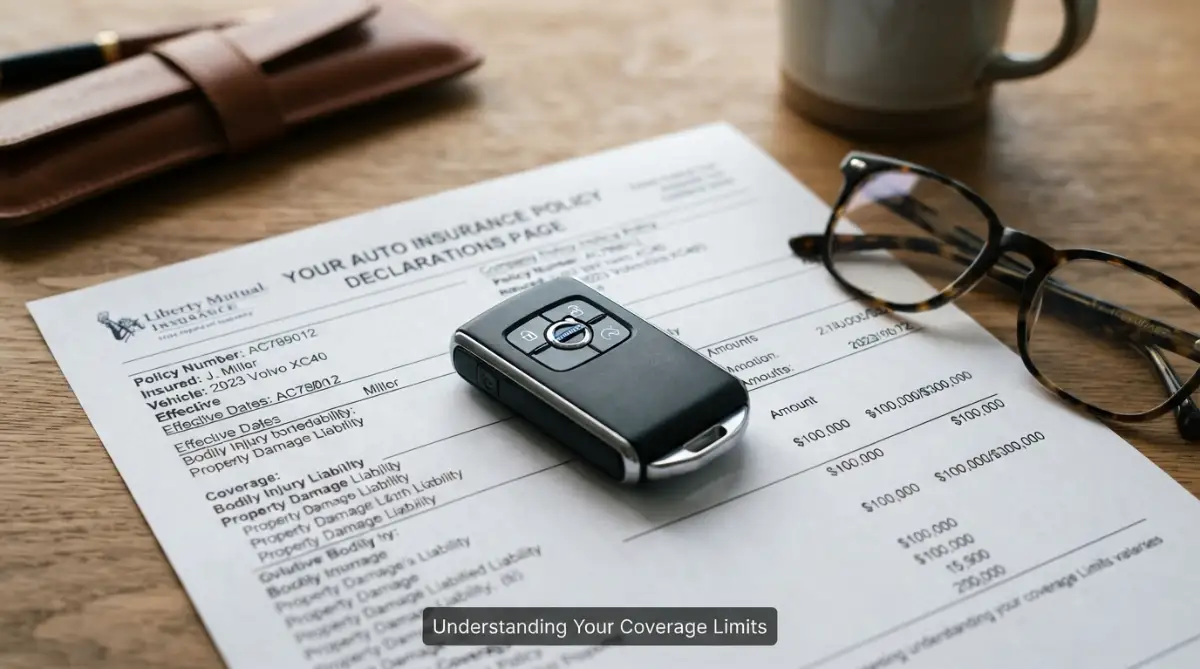
Quick Action Takeaways
-
Adjust your deductibles: Raising your deductible from $500 to $1,000 can drastically lower your monthly bills if you have an emergency fund.
-
Audit your mileage: If your commute has dropped or you work from home, notify your insurer immediately to grab hidden discounts.
-
Shop around yearly: Never stay loyal blindly; comparing at least three quotes every year prevents "price optimization" spikes.
Decoding the Language of Your Insurance Policy
The first thing I learned is that insurance companies love using big words to hide simple things. If you want to master your car insurance, you need to know what these words actually mean for your wallet.
I used to think "Full Coverage" meant I was protected against everything in the world. I was wrong. "Full Coverage" is actually just a mix of different types of insurance, and sometimes it still leaves big gaps.
Liability coverage is the most basic part. This pays for the other person’s car or medical bills if you cause a crash. In most places, you have to have this by law. But if you only have the minimum amount, a big accident could still ruin you financially.
Collision coverage is what fixes your own car if you hit something like a tree or another vehicle. If your car is very old, you might not even need this. I once paid for collision on a car worth only five hundred dollars, which was a huge waste of money.
Comprehensive coverage handles things that aren't crashes. Think about things like theft, fire, or a tree branch falling on your roof during a storm. It’s for the "stuff happens" moments that you can't control.
Understanding these three parts changed how I looked at my monthly bill. I started asking myself if I really needed every single piece of the "package" they were selling me. You should do the same.
Finding the Sweet Spot for Your Deductible
The deductible is the amount of money you pay out of your own pocket before the insurance company pays a cent. This is one of the biggest "knobs" you can turn to change your price.
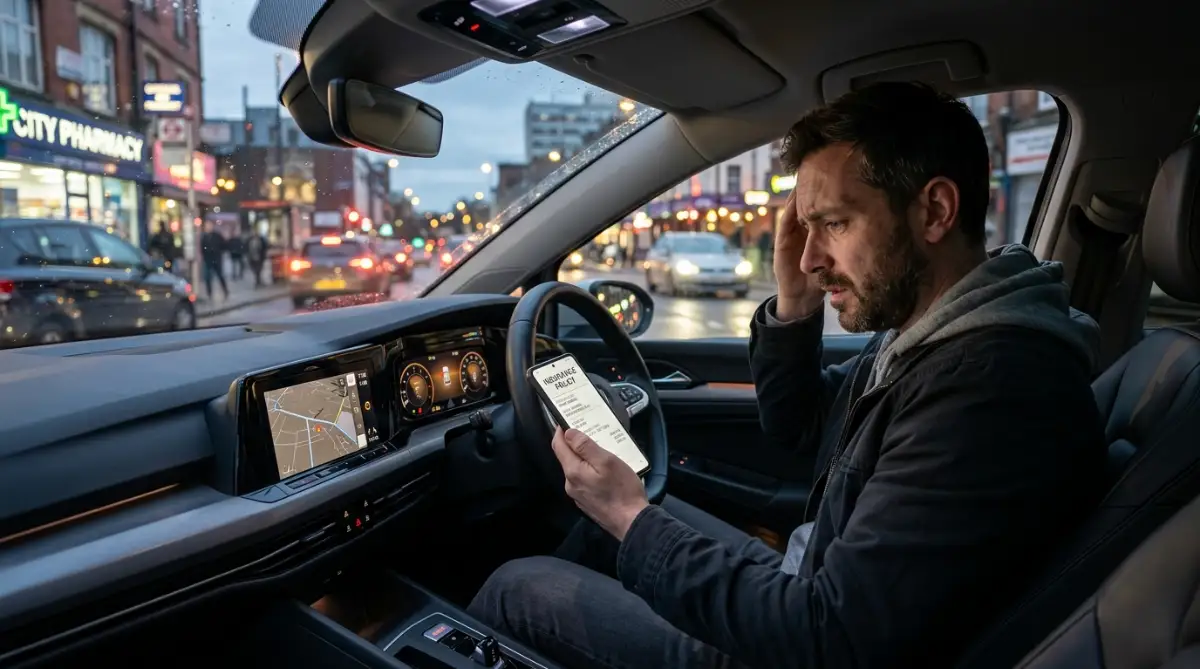
When I started, I had a very low deductible because I was afraid of a big bill. But that made my monthly payments very high. Over a year, I was paying way more to the insurance company than I would have paid for a repair.
Real-Life Example: My neighbor kept a $250 deductible to feel safe, paying an extra $35 extra every month. When he finally had a tiny bumper scratch that cost $400 to fix, he realized he had spent over $800 in extra premiums over two years just to save a minor out-of-pocket cost. Raising your deductible to $1,000 often pays for itself within a single year.
If you have some savings put away, raising your deductible can save you hundreds of dollars a year. It’s like a bet you make on yourself. You pay less every month, and in return, you agree to pay more if you have a small bump.
I found that for my budget, a five hundred or one thousand dollar deductible was the perfect middle ground. It kept my monthly bill low enough to breathe but didn't leave me totally unprotected if things went wrong.
Pro Tip: I once made the mistake of choosing a deductible I couldn't actually afford to pay. I thought I was being smart by saving twenty dollars a month, but then I had a flat tire that caused a rim issue, and I didn't have the cash to cover the deductible. Always make sure you have your deductible amount sitting in a savings account just in case.
Why the "Cheapest" Policy Might Be the Most Expensive
We all love a bargain. I used to go straight to the website that promised the lowest monthly rate. But after my first claim, I realized that "cheap" insurance usually means "cheap" service.
Some companies save money by using cheap parts for repairs or making it very hard to talk to a human. I once waited three weeks just to get an adjuster to look at my car. During those three weeks, I had to pay for a rental car out of my own pocket.
When you read a car insurance review, don't just look at the stars. Read the stories of people who actually had to file a claim. That is where the truth lives. You want a company that answers the phone when you are standing on the side of the road at midnight.
Watch this video to see the most common traps people fall into when picking a policy. It might save you thousands!
The Secret Power of Your Credit Score and Location
I was shocked to find out that my car insurance price wasn't just about my driving. It was also about my credit score and where I lived. It felt unfair at first, but that is how the math works for these companies.
If you improve your credit score by even fifty points, you might see your insurance rate drop. I spent six months cleaning up my small debts, and my insurance premium went down by fifteen percent. It was like getting a raise for doing almost nothing.
Your zip code also matters a lot. If you move from a busy city center to a quiet suburb, call your insurance company immediately. The risk of theft or accidents is lower in the suburbs, and your price should reflect that.
I once moved just three miles away, across a county line, and saved two hundred dollars a year. It sounds crazy, but these small details are the keys to an honest car insurance review. You have to look at the big picture.
Myths vs. Reality: What Really Lowers Your Rate?
There are so many myths out there about car insurance. I used to believe that red cars cost more to insure. That is 100% false. The color of your car has nothing to do with your rate.
Another myth is that your insurance will always cover a rental car if yours is in the shop. Most of the time, this is an "add-on" that you have to pay extra for. I found this out the hard way during a rainy week in November.
Myth: My insurance covers me if I use my car for a side job like delivering food.
Reality: Most standard policies will NOT cover you if you are using your car for work. You need a special "rider" or business policy. If you have an accident while delivering, they might deny your claim entirely.
Myth: If my friend drives my car and crashes, their insurance pays for it.
Reality: Usually, the insurance follows the car, not the driver. This means YOUR insurance will likely have to pay, and your rates will go up. Be very careful about who you lend your keys to.
How to Compare Policies Like a Pro
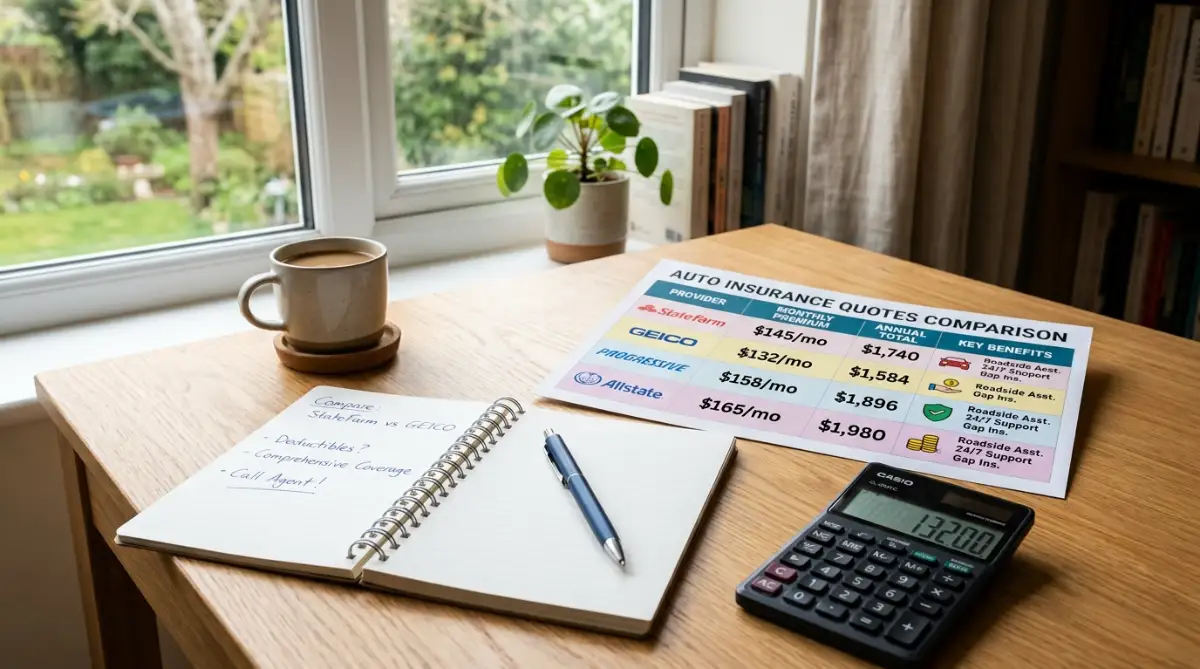
Don't just look at the final number. When you are comparing two different quotes, you have to look at them side-by-side. I like to use a simple paper and pen to do this.
Check the liability limits first. One company might be cheaper because they are giving you half the coverage of the other one. That isn't a better deal; it is just less insurance.
Quick Comparison Checklist for Coverage Limits:
-
Minimum State Limits: Cheap upfront, but leaves you personally exposed to massive lawsuits if you hit an expensive vehicle.
-
Balanced Standard Limits (100/300/100): Moderate monthly cost, providing robust protection for property damage and medical bills without breaking your budget.
Look at the "extras" too. Does the policy include roadside assistance? Does it have glass coverage for your windshield? Sometimes a policy that costs five dollars more a month is actually a better deal because it includes these helpful services.
I always recommend getting at least three quotes every year. I know it sounds like a lot of work, but it usually only takes about an hour. That one hour of work can save you enough money to pay for a nice vacation or a new laptop.
The Importance of Annual Reviews
Your life changes every year, and your insurance should change with it. Maybe you started working from home and you are driving much less. That is a huge reason for a discount!
I didn't tell my insurance company for two years that my commute had dropped from thirty miles to zero. When I finally called them, they lowered my bill by thirty dollars a month. I felt silly for waiting so long.
Did you get married? Did you buy a house? Did you turn twenty-five? All of these things can lower your rate. Most companies won't just give you the discount; you have to ask for it.
Think of your insurance policy as a living document. It needs a check-up just like you do. Take twenty minutes on your birthday every year to look at your coverage. It is a great habit that keeps your money in your own pocket.
Final Thoughts on Starting Your Journey
Buying car insurance doesn't have to be a nightmare. It starts with being honest about what you need and what you can afford. Don't let the flashy ads or the fast-talking agents rush you into a decision.
Take your time. Read the fine print. Ask the "stupid" questions. There are no stupid questions when it comes to your financial safety. I learned everything the hard way so that you can do it the easy way.
Remember, the goal of an honest car insurance review is to find a policy that works for YOU, not the insurance company. You are the customer, and you have the power to choose. Use that power wisely and stay informed.
In the next part of this guide, we will look deeper into how to handle claims and what to do if an insurance company treats you unfairly. Stay tuned, because the more you know, the more you save.
Mastering Your Policy with Expert Secrets
Many people think that once they find a good rate, their work is done. I used to think that too, until I realized that insurance companies use something called "price optimization." This is a fancy way of saying they might raise your rates just because they think you are too lazy to switch.
I once stayed with the same company for seven years, thinking I was a "loyal" customer. Then I found out a neighbor with the exact same car and driving record was paying much less. That was a huge wake-up call for me to stop being a passive payer.
One of the best ways to keep your rates low for the long haul is to look into telematics programs. These are the small devices or phone apps that track how you drive. I tried one for ninety days, and it felt like a game.
By avoiding hard braking and not speeding, I managed to save an extra fifteen percent. If you are a safe driver who doesn't spend much time on the road at night, this is a secret weapon. It shows the company exactly how low-risk you really are.
You should also look into affinity discounts. Many people don't realize that being part of a certain group can lower their bill. I found out that my university alumni association had a partnership with a major insurer.
Check your employer, your professional groups, or even your credit union. Speaking of which, choosing the best credit unions for easy unsecured loans often leads to better insurance perks too. Credit unions are member-owned, so they often look out for your wallet better than big banks do.
Another pro-level move is to bundle your policies correctly. We always hear about "bundling" on TV, but there is a right way to do it. Don't just assume the bundle price is the best deal without checking the individual parts.
I once found that my home insurance was way too expensive in a bundle. By splitting them up, I saved money even without the "multi-policy discount." It takes a little extra math, but it ensures you aren't being tricked by marketing.
You should also keep a close eye on your credit-based insurance score. In many places, this score is just as important as your driving record. I started paying my bills on time and kept my credit card balances low.
Within a year, my insurance premium dropped even though I was driving the same car. It feels strange that your credit affects your car insurance, but it is a reality you can use to your advantage. If you can manage your money well, insurance companies think you will manage your car well too.
Lastly, think about Gap Insurance if you have a new car loan. If your car is totaled, the insurance company only pays what the car is worth, not what you owe. I saw a friend get stuck with a five-thousand-dollar bill for a car she couldn't even drive anymore.
If you are worried about your overall financial safety net, it is also wise to ask how much disability insurance do you need to protect your income. Keeping all these pieces of the puzzle together is how you build real wealth.

The Dangerous Traps Most Drivers Fall Into
I have seen so many people make the mistake of lying on their insurance application. They think saying they park in a garage instead of on the street will save them ten dollars. But if a tree falls on your car while it's on the street, the company might refuse to pay the claim.
This kind of "small" lie is actually insurance fraud. It can lead to your policy being canceled, and then no other company will want to touch you. I always tell my friends that honesty is the only way to ensure your claim actually gets paid.
Another painful mistake is only buying the state minimum coverage. I know it's tempting when money is tight. But imagine you accidentally hit a luxury SUV.
State minimums often only cover twenty or thirty thousand dollars in damage. If that SUV costs eighty thousand to fix, you are on the hook for the rest. I have seen people lose their entire life savings because of one split-second mistake.
You also need to be careful about ignoring the "fine print" on repairs. Some cheap policies force you to use "aftermarket" parts. These are parts not made by your car's original manufacturer.
I once had a repair done with a cheap bumper that didn't quite fit right. It made the car look old and lowered the resale value. Always check if your policy allows for "OEM" or original parts during a repair.
Many people also forget to update their mileage. If you moved closer to work or started taking the bus, tell your insurance company. I was paying for a twenty-mile commute for a year after I started working from home.
That was money straight down the drain that I could never get back. Don't let your insurance company keep your money just because you forgot to make a five-minute phone call. It is your responsibility to keep your data fresh.
Another trap is letting your policy lapse, even for one day. Insurance companies see a "gap" in coverage as a huge red flag. Even if you don't have a car for a month, it is often better to have a "non-owner" policy.
When I finally bought a car after a short gap, my rates were double what they used to be. I felt like I was being punished for being responsible and not driving. It’s a weird system, but knowing the rules helps you avoid the high costs.
Finally, don't forget to look at the financial strength of the company. You can check sites like the National Association of Insurance Commissioners to see complaint records. A company that is about to go bankrupt won't be able to pay for your car if a major storm hits your town.
I always check these ratings before signing any contract. It gives me the confidence that the company will actually be there when I need them. You are buying a promise, so make sure the person making the promise can keep it.
Your Roadmap to a Better Deal and Peace of Mind
Getting your car insurance right is a journey, not a one-time event. It is about taking control of your finances and making sure you are protected. I know it can feel overwhelming at first, but you have the power to change your situation.
Start by looking at your current policy today. Check your limits, your deductible, and your discounts. You might find a simple fix that saves you fifty dollars by tonight.
I want you to feel confident every time you get behind the wheel. No more worrying about "what if" or "how much." When you have a solid policy, you can focus on the road and enjoy the ride.
You deserve to be treated fairly by these big companies. By staying informed and asking the right questions, you are making yourself a "tough" customer. That is exactly what you want to be in the world of insurance.
I really hope my personal stories and tips help you find the perfect balance for your car. I have been through the stress of bad policies, and I don't want that for you. You have the tools now, so go out there and secure a better deal for your family.
Every small step you take adds up to big savings over time. I believe that anyone can master their insurance if they just take it one step at a time. Start today, and your future self will definitely thank you for it!
Common Questions About Car Insurance Policies
Does my car insurance cover my items inside the car?
Usually, car insurance does not cover personal items like your laptop or phone if they are stolen from your vehicle. Those items are typically covered by your homeowners or renters insurance. I always tell people not to leave valuables in plain sight to avoid the headache of two different claims.
Will my rates go up if I just call to ask a question?
Simply asking a question or inquiring about a potential claim should not raise your rates. However, if you officially report an accident, even if you don't follow through with a claim, it might show up on your record. I always suggest reading your policy or talking to an independent agent for "what if" scenarios.
Is it better to go with a local agent or an online company?
Local agents are great for personal service and can often find "hidden" discounts in your area. Online companies are sometimes cheaper because they have less overhead. I personally like to get quotes from both to see who offers the best value for my specific needs.
How does the safety rating of my car affect my premium?
Insurance companies love safe cars because they protect the people inside during a crash. You can check the IIHS Vehicle Ratings to see how your car performs in safety tests. A car with a high safety rating usually costs less to insure than a sporty model with poor crash scores.
Can I change my insurance company at any time?
Yes, you do not have to wait until your policy expires to switch companies. Most insurers will give you a refund for the "unused" portion of your premium if you cancel early. I have switched policies in the middle of a month several times just to take advantage of a much better rate.
Does my insurance cover me in a different state?
Most standard policies provide coverage across all states in the country. Your liability limits will usually "adjust" to meet the minimum requirements of whatever state you are driving in. I always double-check this before going on a long road trip just to be 100% sure I'm safe.
Disclaimer:
This article is for informational purposes only and does not constitute professional financial or legal advice. Insurance laws and regulations vary by location and are subject to change. Always consult with a licensed insurance agent or financial advisor before making any decisions regarding your coverage. We are not responsible for any actions taken based on the information provided in this post.