The Night My Roof Leaked and the Nightmare That Followed
I still remember the sound of the wind shaking my bedroom window during a massive storm. My heart raced as a loud crash echoed from the roof of my house. Within minutes, dirty water started dripping onto my favorite rug in the living room.
I felt completely helpless standing there in the dark with a plastic bucket. That storm did not just damage my house; it broke my sense of security. I spent the next day trying to figure out how to file an insurance claim.
Many homeowners face this exact same sudden panic when a bad storm hits their area. You do not just worry about the broken roof; you worry about the heavy repair bills. The fear of insurance companies rejecting your claim makes the stress much worse.
Watching your safe space get ruined is hard enough without the added paperwork. You look at the wet drywall and wonder how you will pay for it all. This confusion of where to start can make you feel trapped in your own home.
Most of us do not know the rules of insurance until we actually need them. We expect our insurance company to help us right away because we pay our premiums on time. Sadly, the reality is often filled with long phone calls and endless questions.
This feeling of being ignored by big companies is very draining. You deserve a fair payout to fix your home and move on with your life. Let me show you how to take control of this situation.
How to Handle Your Storm Damage Claim Like a Professional
Stay Safe Before Inspecting Your Property
Do not run outside the moment the wind stops to take photos. You must check for fallen power lines and loose tree branches first. Make sure the structure of your home is safe before walking around.
If you smell gas or see deep standing water, stay far away. Your life is worth more than any insurance payout. Wait for local utility workers to give you the clear signal.
Capture the Whole Scene from a Distance
Start by taking wide photos of your entire property from across the street. These wide shots show the scale of the storm and how it affected your neighborhood. This helps the insurance adjuster see the context of the damage.
They need to know that a major event actually took place in your area. Wide photos set the stage for your specific claims. It makes it harder for them to deny the storm happened.
Get Close with Your Smartphone Camera
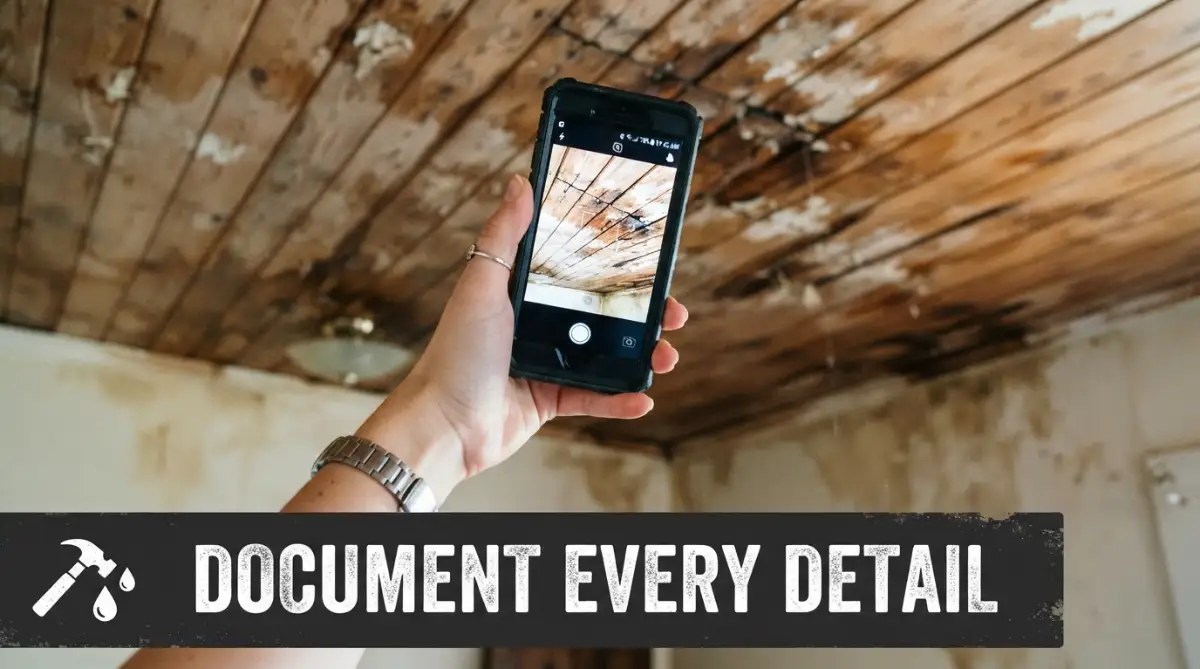
Once you have the wide shots, move closer to the damaged spots. Take pictures of individual broken shingles, dented gutters, or cracked windows. Use a ruler or your hand next to the damage to show the size of the impact.
It is also smart to take short videos of leaks as they happen. A video showing water dripping into your living room is hard to argue against. Keep your hands steady and speak clearly to explain what you are filming.
My Personal Realization: I once lost out on a payout because I cleaned up the mess before taking photos. I thought I was doing the right thing by sweeping up the broken glass. Please do not touch anything until you have a clear photo of the mess.
Make a Detailed Itemized Inventory List
Grab a notebook or open a digital document to list everything that was damaged. Write down the brand, model, and age of every ruined item. If you can find old receipts in your email, match them to the items.
This list will save you a lot of time when the adjuster asks for proof. Do not throw away any damaged items yet. Keep them in a safe corner until the inspector sees them.
How to Document Roof Damage Safely
Do not climb onto your roof yourself because it is highly dangerous. Instead, use the zoom feature on your phone from the ground. If you have a drone, this is a great time to fly it over your house.
Look for missing shingles, cracked tiles, or heavy dents from hail. You can also hire a professional roofer to do a quick inspection. They know exactly what to look for and can give you a written report.
Tracking Your Interior Water Damage
Water can hide behind walls and under floors for days. Look for yellow stains on your ceiling or peeling paint. Feel the drywall to see if it is soft or damp.
If you have a moisture meter, use it to prove that water got inside. Take photos of the meter reading next to the damp walls. This scientific proof makes your claim very strong.
Keep a Perfect Record of All Communications
Write down the name and phone number of every person you talk to at the insurance company. Note the exact date and time of every call. Keep a short summary of what was discussed during those chats.
Send a follow-up email after every phone call to confirm what you talked about. This creates a paper trail that the company cannot ignore. It keeps everyone honest and moving forward.
How to Avoid Common Claim Mistakes
Watch this helpful video guide to see exactly how to navigate your claim without getting rejected by your insurance company.
Many people make the mistake of waiting too long to file their claim. Most insurance policies have a strict deadline for reporting storm damage. If you wait past this limit, you might get nothing.
Another mistake is accepting the first low offer from your adjuster. Remember that their job is to save money for the company. You have the right to ask for a second opinion or a higher payout.
The Science Behind Hail and Wind Damage
Hail damages homes by breaking down the protective layers of your shingles. Wind causes damage by lifting shingles up and breaking their seals. Understanding these forces helps you explain the damage better.
When wind lifts a shingle, dirt gets underneath and prevents it from sealing again. This leads to hidden leaks during the next rainstorm. Professional inspectors use these scientific facts to prove storm damage.
How to Handle the Insurance Adjuster Visit
Be polite and helpful when the adjuster visits your home. Show them your printed list of damage and your photo collection. Let them do their job, but make sure they see every single issue.
Do not let them rush through the inspection of your property. If they miss something, point it out gently but firmly. Having your own roofer present can help make sure nothing is ignored.
The Difference Between Sudden and Gradual Damage
Insurance companies love to claim that your damage was already there before the storm. They call this gradual wear and tear, which is not covered. You must prove the damage happened suddenly during the storm.
This is why having old photos of your house is so valuable. If you have photos from last month showing a clean roof, you can easily disprove their claims. Regular maintenance photos are your best shield.
Understanding Your Deductible and Coverage Limits
Read your policy carefully to understand how much you have to pay out of pocket. Some storm policies have separate deductibles for wind or hail. Make sure you know these numbers before you start the process.
If the repair cost is only slightly higher than your deductible, it might not be worth filing. Every claim can raise your monthly rates in the future. Weigh the costs and benefits before submitting the paperwork.
How to Get Professional Help When a Claim Is Denied
If your insurance company denies your claim, do not lose hope. You can hire a public adjuster to represent your interests. They work for you, not the insurance company, to get you a fair deal.
You can also file an appeal with your insurance provider. Send them your organized photos, reports, and communication logs as new evidence. Many denials are overturned when you show solid proof.
Choosing the Right Contractor for Storm Repairs
Do not hire the first contractor who knocks on your door after a storm. These are often called storm chasers and they might do poor work. Look for local contractors with good reviews and a real physical office.
Ask them for proof of insurance and active licensing in your state. A good contractor will happily share these documents with you. They will also write a detailed estimate that you can send to your insurer.
Why You Must Do Temporary Repairs Right Away
You are legally required to protect your property from further damage after a storm. This means putting a tarp over a hole in your roof or boarding up broken windows. If you do not, the insurance company might deny future water damage claims.
Keep all receipts for materials like tarps, plywood, and nails. Your insurance policy will usually reimburse you for these temporary repair costs. Save these receipts in a separate folder labeled emergency repairs.
Organizing Your Digital Files for Easy Access
Create a dedicated folder on your computer or cloud storage for your claim. Save all your photos, videos, and scanned receipts in this single place. Name your files clearly so you can find them in seconds.
For example, use names like living-room-ceiling-leak-photo.jpg instead of random numbers. This makes it very easy to share the entire folder with your adjuster. An organized claim is much harder to ignore or delay.
What to Do If the Adjuster Misses Hidden Damage
Sometimes damage is not visible until the contractors start tearing down ruined walls. This is very common with water leaks and mold growth. Do not worry because you can still ask for more money.
Have your contractor document the newly discovered damage with clear photos and a written estimate. Send this right away to your insurance adjuster as a supplemental claim. Most insurance policies allow these supplements when new damage is found.
Understanding Your Policy Timeline
Every state has different laws about how long insurance companies have to process claims. They must acknowledge your claim, inspect your home, and pay you within a certain number of days. Knowing these laws keeps the company moving fast.
If you feel like they are taking too long, gently remind them of the state deadlines. You can find these rules on your state insurance commissioner's website. Being informed shows them that you cannot be easily ignored.
How to Compare Contractor Estimates and Insurance Payouts
Sometimes the insurance company's estimate is much lower than your contractor's bid. This usually happens because they use different software to calculate repair costs. Do not panic and do not sign anything yet.
Ask both parties to share their line-by-line breakdown of the costs. Often, you can find simple mistakes like missing materials or incorrect measurements. Show these mistakes to your adjuster to get your payout increased.
Myth vs Reality of Storm Insurance Claims
Myth: Filing a storm claim will automatically cause your insurance company to drop you. Reality: Most states have laws that prevent insurers from dropping you for a single storm claim. Storms are considered acts of nature and are out of your control.
Myth: You must use the contractor recommended by your insurance company. Reality: You have the absolute right to choose any licensed contractor you trust. Do not let the company pressure you into using their cheap repair services.
When to Consult a Property Damage Attorney
If your claim is large and your insurance company is acting in bad faith, you might need a lawyer. Bad faith means they are ignoring your emails, delaying payments without reason, or offering tiny payouts. A lawyer can help you sue for the money you deserve.
Most property damage lawyers work on a contingency basis, meaning they only get paid if you win. They will look at your documented evidence to see if you have a strong case. This is your final option if all other steps fail.
Final Steps to Close Your Claim and Get Paid
Once you agree on a payout, the insurance company will send you a check. Sometimes this check will have your mortgage company's name on it as well. You will need to send the check to your mortgage company for their signature.
They will release the funds in stages as your contractor completes the repair work. Make sure to get a final lien waiver from your contractor before making the last payment. This protects you from any future payment disputes.
Next-Level Secrets for a Successful Storm Claim
The Undeniable Power of Digital Time Stamps
When you take photos on your smartphone, your phone automatically records the exact time and GPS location. This is called metadata, and it serves as digital proof of when and where the damage occurred. You can easily show this metadata to your adjuster if they argue about when the storm hit.
To protect your data, make sure your phone location services are turned on before taking pictures. You can check the details of any image in your phone gallery to find these timestamps. Having this proof ready prevents any disagreements about the timeline of the storm.
Securing an Independent Structural Inspection
Relying only on the insurance company's inspector can sometimes lead to a lower payout. It is wise to hire your own independent inspector to check the structural safety of your home. They work directly for you and will look closely for hidden cracks in your foundation or framing.
This independent report gives you powerful leverage during negotiations. It shows the insurer that you have professional backup for your repair costs. For more information on navigating these complex rules, you can read how to read your insurance paperwork to understand your rights.
Finding the Damage That Hides in the Walls
Many storm issues are not immediately visible to the naked eye. Water can seep into your wall insulation and remain trapped for several weeks. This trapped moisture slowly rots your wooden frame and leads to dangerous mold growth.
Use an infrared camera or a moisture meter to scan your walls. These simple tools can detect cold spots behind your drywall where water has collected. Showing these thermal images to your insurance company makes it very hard for them to deny your claim.
Managing the Loss of Use Benefits
If your home becomes unsafe to live in after a storm, your policy should help you. Most standard home insurance policies include a feature called Loss of Use coverage. This coverage pays for your temporary hotel stays, restaurant meals, and storage fees.
You must keep every single receipt for your daily expenses during this time. The insurance company will compare these receipts with your normal living costs before giving you a refund. Understanding how these extra coverages work is as helpful as knowing how standard insurance handles non-flood zones when water enters your home.
Protecting Your Rights with State Regulators
Insurance companies must follow strict consumer protection laws in your state. If you feel like your insurer is ignoring you, you can file a formal complaint. Your state insurance commissioner's office is designed to look into these unfair practices.
Just mentioning that you might contact the state regulator can often make an insurance company move much faster. You can find your local rules and guidelines through the National Association of Insurance Commissioners portal online. This knowledge keeps you in control of the conversation from start to finish.
Tracking Daily Changes in the Damage
Storm damage can get worse over the days following the event. A small roof leak can turn into a major ceiling collapse after a second light rain. You should document these changes daily by taking progress photos.
Keep a simple diary of what changes you see each morning. This shows a clear line of cause and effect that connects back to the original storm. It helps you get coverage for secondary damage that develops over time.
Tracking Weather Reports for Scientific Evidence
You can use official weather reports to prove that severe weather actually occurred at your address. Organizations like the National Weather Service track hail sizes and wind speeds daily. This official data is incredibly hard for insurance companies to dispute during a claim review.
Download a copy of the weather report for the exact day the storm hit your town. You can print this out and keep it in your main claims folder. This scientific data shows that the storm was strong enough to cause the damage you are claiming.

Severe Pitfalls That Can Destroy Your Payout
The Danger of Cleaning Up Too Quickly
It is completely natural to want to clean up your home immediately after a disaster. You want to sweep away the broken glass, throw out wet carpets, and make things neat. However, doing this before the adjuster sees the damage is a massive mistake.
If you throw away your damaged belongings, the insurance company has no physical proof they ever existed. They might assume you are exaggerating your losses to get more money. Always leave the mess exactly as it is until you have photographed every single angle.
Signing Quick Settlements Without Thinking
Insurance companies often try to offer you a quick check within days of the storm. This fast money can feel like a huge relief when you are stressed about bills. Sadly, these early offers are usually much lower than the actual repair costs.
Once you sign the settlement paper and cash that check, you might close your claim forever. If you find hidden structural issues next month, your insurer may refuse to pay for them. Take your time to get real contractor bids before accepting any final offers.
This is why knowing how your policy details interact with your home changes is so important. For example, you can learn about how standard policies work by looking at why your kitchen remodel can change your policy to see how updates affect coverage. Taking a slow and methodical path is always the safest choice.
Failing to Prevent Secondary Damage
Your policy actually places a legal duty on you to protect your home from getting worse. If a window is broken, you cannot simply leave it open to let rain ruin your hardwood floors. The insurance company expects you to put up temporary protection right away.
If they find out you did nothing to stop the rain from pouring in, they will deny any damage that happened after the storm. Buy some heavy tarps and plywood to cover open areas as quickly as possible. You can read the official FEMA property protection guidelines to learn the best ways to secure your home.
Trusting Verbal Agreements Without Written Proof
An adjuster might tell you over the phone that a specific repair is covered by your policy. It is easy to trust their friendly voice and hire a contractor right away. However, if that agreement is not in writing, it basically does not exist.
Always ask for written confirmation via email before spending your own money on repairs. Adjusters change jobs frequently, and a new adjuster might not honor a verbal promise made by someone else. Keeping a written paper trail is your only real safety net.
Misunderstanding the Role of the Adjuster
Many homeowners believe that the insurance adjuster is their personal helper during a crisis. While most adjusters are nice people, they ultimately work for the insurance company. Their goal is to settle your claim for the lowest amount allowed by your policy.
Treat the relationship like a professional business transaction rather than a personal friendship. Be polite, but always double-check their math and their list of damages. If you need more tips on how to handle these situations, you can visit our main insurance hub for expert guidance.
Forgetting to Check for Hail Damage on Siding
People often look only at their roofs and completely forget to check their siding. Hail can leave tiny cracks or dents in vinyl and wood siding that are hard to spot at first. Over time, these small cracks allow moisture to rot the wood framing behind your siding.
Check your walls during the late afternoon when the sun is hitting them at an angle. This angled light makes hail dents cast small shadows, making them much easier to see. Documenting these siding issues now prevents massive repair bills in the coming years.
Using the Term Flood by Mistake
Many homeowners use the word flood to describe any type of water damage in their home. However, in the insurance world, a flood has a very specific legal definition involving rising ground water. If you tell your insurer that your living room is flooded, they might deny your claim instantly.
This happens because standard home insurance policies do not cover natural floods unless you have a separate policy. Instead, use accurate terms like wind-driven rain or ceiling leak to describe how the water entered. This small change in your choice of words can save your entire claim from being rejected.
Taking Charge of Your Home Recovery Today
Navigating a storm claim can feel like climbing a mountain in the middle of a dark night. However, with the right photos, organized files, and a calm mind, you can win this battle. You have paid your hard-earned money for insurance, and you deserve to have your home restored.
Start by creating a simple checklist of your next steps so you do not feel overwhelmed. Take things one step at a time, from taking your first wide photos to filing your digital paperwork. Your home is your most valuable asset, and protecting it is worth every ounce of your effort.
Remember that you do not have to do this all by yourself if the process gets too complex. Reach out to local professionals, talk to trusted neighbors, and read your policy documents carefully. For extra safety, you can explore understanding low risk flood zone coverage to see what other protections you might need.
I know how scary it feels to look at your damaged home and worry about the future. I managed to rebuild my home by staying organized and refusing to give up on my claim. I believe you can do the exact same thing if you start collecting your proof today.
Answers to Your Storm Claim Doubts
What should I do if my insurance company denies my storm claim?
If your claim is denied, ask your insurer for a written explanation of their decision. Review their reasons carefully and compare them with the photos and reports you collected. You can file a formal appeal with new evidence or hire a public adjuster to help you fight the decision.
How long do I have to file a claim after a storm?
The time limit varies depending on your state laws and your specific insurance policy. Most companies require you to report storm damage within one year of the event. It is always best to file as soon as possible so the evidence remains fresh and clear.
Will my home insurance premium go up if I file a storm claim?
Generally, insurance companies cannot raise your personal rates for a single claim caused by natural disasters. However, your rates might go up if everyone in your neighborhood files claims for the same storm. Your insurer views the entire area as a higher risk zone after a major weather event.
Can I hire my own contractor instead of using the insurance company's choice?
Yes, you have the absolute legal right to choose any licensed contractor you trust to fix your home. You do not have to use the repair company suggested by your insurance provider. Make sure your contractor provides a detailed, written estimate before they start any work.
How do I prove my damage was caused by a specific storm and not old wear and tear?
The best way to prove this is by showing before-and-after photos of your property. If you do not have recent photos, you can use local weather reports to show that hail or high winds hit your exact address. Having an independent roof inspection report also provides scientific proof of sudden storm impact.
Disclaimer: This article is for informational and educational purposes only and does not constitute legal, financial, or professional insurance advice. Insurance policies and local regulations vary widely by state and region. Always consult with a licensed public adjuster, insurance broker, or qualified attorney regarding your specific policy and situation before making any decisions.