Why We Often Feel Defeated by Our Own Reflection
Have you ever stood in front of the mirror and felt a sense of quiet frustration? You see a new breakout, a dry patch that won't go away, or skin that just looks tired and dull. It is a feeling many of us know too well. You might feel like you are failing at something that should be simple.
We live in a world where we see perfect faces everywhere. On social media, it seems like everyone has poreless, glowing skin. This makes us feel like we need a hundred different products to look "normal." You spend money on expensive bottles, hoping for a miracle. But after a week, nothing changes. The bottles sit on your shelf, gathering dust, and you feel even more lost.
This cycle of trying and failing hurts. It isn't just about how we look. It is about how we feel when we walk into a room. When your skin feels bad, your confidence takes a hit. You might avoid eye contact or hide behind heavy makeup. You wonder why your skin doesn't behave like the people in the ads.
The truth is, most of us were never taught the basics. We buy things because they look pretty or because a friend liked them. But your skin is unique. It is a living organ that needs the right kind of care, not more noise. The struggle is real, but it doesn't have to be your permanent reality. You deserve to feel comfortable in your own skin without the stress.
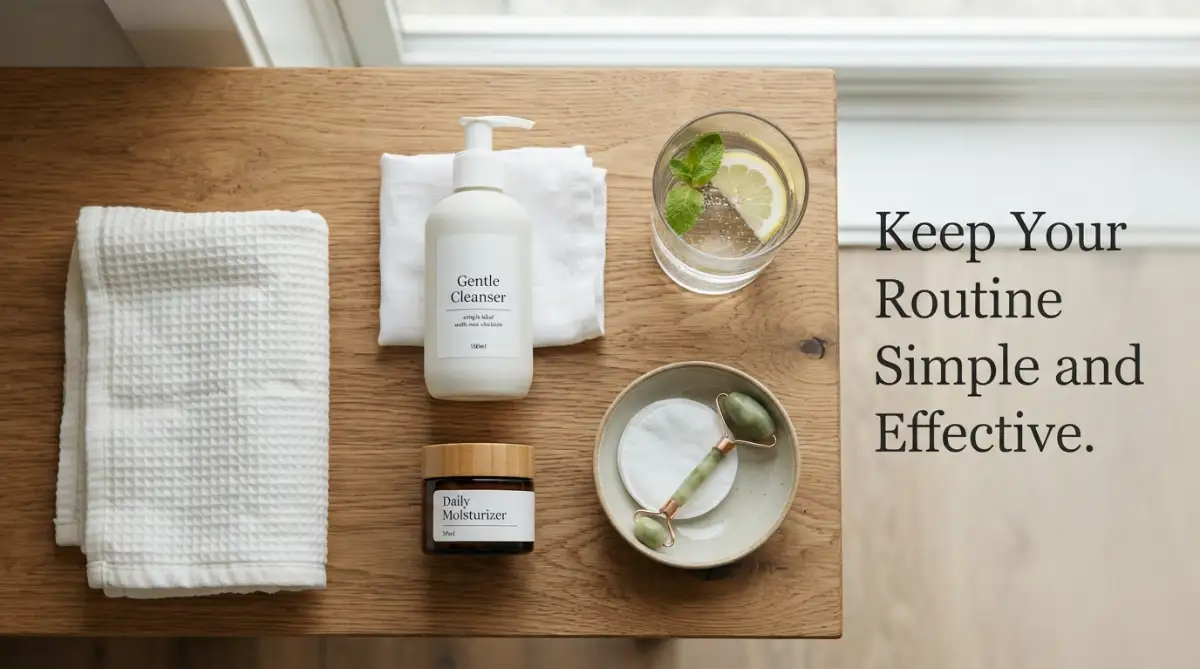
Finding Your Starting Point: Understanding Your Skin Type
Before you buy a single bottle, you must know what you are working with. Your skin type is the map for your entire journey. If you use products for oily skin on a dry face, you will have problems. It is like putting the wrong fuel in a car.
Most people fall into a few main categories. Oily skin often looks shiny and has larger pores. You might feel like you need to wash your face every few hours. Dry skin feels tight, especially after washing. It might look flaky or dull.
Then there is combination skin. This is very common. Your nose and forehead might be oily, but your cheeks feel like a desert. Sensitive skin is the one that gets red or itchy easily. It reacts to new things quickly.
To find your type, try the "Wait and See" method. Wash your face with a very gentle cleanser and pat it dry. Do not put anything else on it. Wait for thirty minutes.
If your face feels tight, you likely have dry skin. If you see shine on your nose and forehead, you have combination skin. If your whole face looks shiny, you have oily skin. Knowing this simple fact changes everything. It stops the guessing game immediately.
Still unsure if your skin is oily, dry, or a mix of both? Watch this quick, simple guide to easily find your exact skin type at home before you read about building your daily routine below!
The Power of Consistency Over Complexity
The biggest mistake beginners make is doing too much too fast. You do not need a ten-step routine. In fact, doing too much can damage your skin's natural shield. This shield keeps moisture in and bad bacteria out. When you use too many chemicals, you break that shield.
Think of skincare like exercise. You don't get fit by running a marathon once a month. You get fit by walking every single day. Skincare works the same way. A simple routine you actually do is better than a complex one you quit after three days.
A sustainable routine is one that fits your life. If you are tired at night, you won't do twenty steps. But you can do three. Focus on the basics. Once you master the basics, your skin will start to find its balance. This balance is where the glow comes from.
Step 1: Gentle Cleansing Without the Harshness
Cleansing is the foundation of any routine. Its job is to remove dirt, oil, and pollution. But many people use cleansers that are too strong. If your face feels "squeaky clean," you have probably gone too far. That feeling means you have stripped away your natural oils.
For a sustainable routine, look for a sulfate-free cleanser. These are much kinder to your skin. If you have dry skin, a cream or milk cleanser feels wonderful. If you have oily skin, a foaming gel helps manage the shine without hurting the surface.
Wash your face with lukewarm water. Hot water can dry you out, and cold water doesn't melt the oils well. Use your fingertips to massage the cleanser in for about sixty seconds. This gives the product time to actually work. Rinse well and pat dry with a clean towel. Never rub your face, as this causes tiny tears in the skin.
Step 2: Hydration and the Role of Moisturizers
Every skin type needs moisture. Even if you have oily skin, you need to hydrate. Sometimes, oily skin is actually thirsty. When your skin is dry, it produces more oil to try and fix the problem. By using a moisturizer, you tell your skin it can stop overproducing oil.
A good moisturizer acts like a blanket. It locks in the water so it doesn't evaporate. For oily skin, look for "oil-free" or "lightweight" labels. These usually come in water-based gels. They feel like nothing on the skin but do a great job.
If you have dry skin, you need something thicker. Look for ingredients like ceramides or shea butter. These help rebuild that protective shield we talked about earlier. Apply your moisturizer while your skin is still slightly damp. This helps trap extra moisture for a longer-lasting effect.
Step 3: Protecting Your Progress with Sunscreen
If you only do one thing, let it be this. Sunscreen is the most important part of any routine. Most of the skin issues we see—like dark spots and wrinkles—come from the sun. The sun's rays are there even when it is cloudy or raining.
Many people hate sunscreen because it feels greasy. But modern formulas are much better. You can find "matte" sunscreens that feel like powder. There are also "tinted" ones that help even out your skin tone.
You need to use about a half-teaspoon for your face and neck. Think of it as your daily insurance policy. You are protecting the healthy skin you are working so hard to build. Without it, the rest of your routine won't matter much.
The Morning Routine: Your Daily Shield
In the morning, your goal is protection. You want to guard your skin against the world. Start with a quick rinse. Some people with dry skin only use water in the morning. That is perfectly okay.
Next, apply your moisturizer to keep things soft. Finally, put on your sunscreen. This simple three-minute process sets you up for success. It prepares your skin to handle pollution and light.
I like to think of the morning routine as putting on your armor. It doesn't have to be fancy. It just has to be there. Once you finish, you can go about your day knowing your skin is safe.
The Night Routine: Healing and Repair
While you sleep, your skin goes into repair mode. It works hard to fix any damage from the day. This is the best time to give it some extra help. Your night routine is about cleaning and nourishing.
First, you must wash off the day. This means removing sunscreen and any dirt. If you wear makeup, you might need to wash twice. This is called double cleansing. Use an oil-based cleanser first, followed by your regular gentle cleanser.
After washing, apply your moisturizer again. You can use a slightly heavier cream at night if you like. This gives your skin the building blocks it needs to wake up looking fresh. Nighttime is when the real magic happens, so try not to skip this step.
How to Choose Products Without Getting Scammed
Walking into a beauty store is overwhelming. There are thousands of products with big claims. To stay sustainable, you must learn to read labels. Don't just look at the front of the bottle. Look at the ingredients on the back.
Look for simple ingredients. If the list is a mile long and you can't say the names, be careful. Stick to brands that focus on skin health rather than "miracles." A higher price does not always mean a better product. Many affordable brands make amazing things.
Start with one new product at a time. If you start five things at once and your face gets red, you won't know which one caused it. Give each product two weeks to see how your skin feels. This patience will save you money and keep your skin happy.
Dealing with Common Beginner Hurdles
It is normal to have bad days. Sometimes you might get a pimple even if you do everything right. Don't panic. Skincare is not a straight line. It has ups and downs.
One common hurdle is the "purging" phase. When you start using certain products, your skin might look worse before it looks better. This is because the skin is cleaning itself out. Stay the course for at least a month before giving up.
Another hurdle is laziness. We all have nights where we just want to go to bed. On those nights, do the bare minimum. Wash your face and put on moisturizer. Even a two-minute routine is better than zero. Small wins lead to big results over time.
The Myth of the "Perfect" Skin
We need to talk about reality. No one has perfect skin all the time. Real skin has texture. It has pores. It has occasional bumps. The goal of a sustainable routine isn't to look like a filtered photo.
The goal is healthy skin. Healthy skin feels comfortable. It heals quickly. It has a natural glow because it is hydrated and protected. When you stop chasing perfection, skincare becomes a form of self-care instead of a chore.
Be kind to yourself during this process. Your skin reacts to stress, too. If you are stressed about your skin, it might actually break out more. Take a deep breath and trust the process. You are building a habit that will serve you for years to come.
Expert Insight: The Importance of Patience
I often tell people that skincare is a marathon. You won't see a huge change overnight. It takes about 28 days for your skin cells to renew themselves. This means you need to wait at least a month to see the true effect of a new routine.
Consistency is your best friend. If you stick to the basics every day, you will see progress. It might be subtle at first. Maybe your skin feels less tight. Maybe you notice fewer dry spots. Celebrate these small changes.
When I first started my journey, I bought three different active serums at once and put them all on my face the very same night. It was a huge mistake that left my skin burning and red for days. Now, I always introduce just one new product at a time and wait two full weeks to see how my skin reacts before adding anything else.
Expert skin care isn't about expensive lasers or rare oils. It is about doing the boring things well every single day. Wash, moisturize, protect. That is the secret that the big brands don't always want you to know because it is too simple to sell for a high price.
Understanding Ingredients: What to Look For
As a beginner, you don't need to be a scientist. But knowing a few key names helps. Hyaluronic acid is a hero for hydration. It acts like a sponge, holding onto water. It is great for all skin types.
Niacinamide is another great one. It helps with redness and keeps pores looking clean. It is very gentle and works well with other products. Glycerin is a classic ingredient that keeps skin soft and moist.
Avoid products with lots of "fragrance" if you have sensitive skin. While they smell nice, they can cause irritation over time. Simplicity is always the best path when you are starting out.
Why Your Lifestyle Matters Too
You cannot fix with a cream what is being broken by your lifestyle. Skincare is part of a bigger picture. Sleep is a huge factor. When you don't sleep, your body produces cortisol. This can lead to more oil and breakouts.
Drinking water is also vital. Your skin is the last organ to get the water you drink. If you are dehydrated, your skin will show it first. It will look flat and tired.
Eating a balanced diet helps too. You don't have to be perfect, but adding some greens and healthy fats (like avocados or nuts) makes a difference. Think of these things as "internal skincare." They support the work you are doing with your bottles and jars.
Building the Habit: Making It Stick
The hardest part of a new routine is making it a habit. To make it easier, keep your products where you can see them. Put your cleanser right by your toothbrush. When you brush your teeth, wash your face.
This is called "habit stacking." You attach a new habit to an old one. It takes the brainpower out of the decision. Soon, you won't even think about it. You will just do it.
If you miss a day, don't beat yourself up. Just start again the next morning. A sustainable routine is flexible. It allows for life to happen while keeping you on the right track for long-term health.
Simple Comparison: Morning vs. Evening Routine
FeatureMorning RoutineEvening RoutinePrimary GoalProtection & ShieldingCleaning & RepairingCleanserWater or Gentle WashDouble Cleanse (if needed)Key ProductSunscreen (SPF 30+)Heavier MoisturizerVibeQuick and EnergizingSlow and Relaxing
By keeping these differences in mind, you can approach each part of the day with a clear goal. This clarity stops you from feeling overwhelmed by your skincare shelf.
Final Thoughts for the First Step
You now have the knowledge to start. You know your skin type. You know the three basic steps. You know that consistency is the key to everything. You don't need a miracle; you just need a plan.
Starting today, pay attention to how your skin feels. Listen to it. If it feels dry, give it more moisture. If it feels oily, check if you are over-washing. This connection with your own body is the most sustainable thing of all.
Your journey to healthy skin is just beginning. It is a path of self-respect and care. Take it one day at a time, and remember that you are doing this for you. Your future self will thank you for the effort you put in today.
Moving Beyond the Basics for Long-Term Results
Once you have mastered the simple steps of washing and protecting your face, you might feel ready for more. This is where many people get confused by the endless options of serums and oils. You don't need everything on the shelf to see a real difference. Instead, think about adding one "targeted" step that addresses your specific skin goals.
If you struggle with dullness, a Vitamin C serum in the morning can be a game-changer. It helps brighten your look and acts as an extra shield against the environment. For those dealing with fine lines or texture, a tiny amount of retinol at night is often the gold standard. However, you must introduce these powerful ingredients slowly to avoid redness.
It is also helpful to understand that your skin changes with the weather. In the winter, the air is dry, and your skin might need a thicker cream. In the summer, you might switch to a lighter gel to avoid feeling greasy. Being flexible with your routine is a sign of a true skincare expert.
We also have to remember that our skin is an extension of our internal health. If you are constantly feeling overwhelmed, it shows on your face. Scientific research shows how chronic stress quietly damages your physical health, including your skin's ability to heal itself. Taking care of your mind is just as important as your morning face wash.
The Secret of the Skin Barrier
You might have heard the term "skin barrier" before. Think of it as a brick wall that keeps the bad stuff out and the moisture in. When this wall is strong, your skin looks plump and feels smooth. When it is broken, you get redness, itching, and frequent breakouts.
To keep this barrier healthy, look for products with fatty acids and ceramides. These are the "glue" that holds your skin cells together. If you notice your face stinging when you apply a simple moisturizer, your barrier might be damaged. This is a signal to stop all active treatments and go back to the most basic, gentle routine for a few weeks.
The American Academy of Dermatology often reminds us that "less is more" when the skin is irritated. Trying to fix irritation with more chemicals usually makes it worse. Give your skin the time and space it needs to repair itself naturally.
Nourishing Your Skin from the Inside Out
For years, I avoided looking too closely at my own reflection in the morning. It felt like a gamble I always lost, waking up to a new red breakout or a dry, flaky patch that made me want to hide under my covers. I spent a lot of money on expensive bottles that promised overnight miracles, only to end up with an irritated face and an empty wallet before I finally learned a simpler way.fConsistency is your best friend.
We often forget that what we eat plays a huge role in how we look. A sustainable routine involves more than just bottles; it involves your plate. Certain foods can help reduce inflammation and provide the vitamins your skin needs to stay resilient.
For example, healthy fats like those found in fish and seeds are great for keeping skin hydrated. You can also improve your gut health naturally with these simple foods like yogurt or fermented vegetables. A healthy gut often leads to clearer skin because it reduces the overall inflammation in your body.
Think of your diet as the fuel for your skin cells. When you provide high-quality fuel, your skin performs better. It heals faster from sun damage and stays firm for longer. This holistic approach makes your skincare routine much more effective and sustainable over the years.

Hidden Traps That Can Ruin Your Skin Progress
The biggest danger in skincare isn't a lack of products; it is doing too much of the wrong thing. One of the most common mistakes is over-exfoliation. Many people think that if a little scrubbing is good, a lot must be better. This is a very painful mistake to make.
When you scrub too hard or use chemical peels too often, you strip away the healthy layers of your skin. This leaves you vulnerable to infections and permanent sensitivity. Your face might look shiny, but it feels tight and uncomfortable. If you feel a burning sensation, stop immediately and wash your face with cool water.
Another invisible trap is sleeping in your makeup. We have all had long nights where we just want to crash. But leaving makeup on traps dirt and pollutants against your skin for eight hours. This is a recipe for clogged pores and dullness. Make it a rule: never let your head hit the pillow until your face is clean.
We also have to be careful about neglecting the neck and hands. These areas show signs of aging and sun damage just as fast as the face. Always bring your cleanser, moisturizer, and sunscreen down to your neck. Your future self will be very glad you took those extra few seconds to be thorough.
The Danger of Following Fleeting Trends
Social media often pushes "miracle" hacks that can actually be dangerous. You might see someone using lemon juice or baking soda on their face. Please, do not do this. These household items are far too acidic or alkaline for your delicate skin.
Using the wrong DIY ingredients can cause chemical burns that take months to heal. Just because something is "natural" does not mean it belongs on your face. Trust products that have been tested and balanced for the skin's specific pH level.
Also, be wary of the "more is better" mindset with expensive serums. Using half a bottle of serum won't make it work faster. In fact, your skin can only absorb so much at once. Using too much just wastes your money and increases the risk of a bad reaction. Stick to the recommended "pea-sized" amount for the best results.
Why Sunscreen Mistakes are the Most Costly
Many people only wear sunscreen when it is sunny outside. This is a major misunderstanding of how light works. The long-term effects of ultraviolet radiation happen even on cloudy days and through windows.
If you skip sunscreen inside your home or car, you are still getting exposed to rays that break down collagen. This leads to sagging skin and dark spots over time. Make sunscreen a non-negotiable part of your morning, just like putting on clothes. It is the single most effective "anti-aging" tool you will ever own.
A Practical Weekly Checklist for Success
To keep your routine sustainable, it helps to have a rhythm. You don't need to do everything every day. Here is a simple way to look at your week:
- Daily: Cleanse, Moisturize, and Sunscreen.
- Twice a Week: Use a gentle exfoliant to remove dead skin cells.
- Once a Week: Clean your makeup brushes and change your pillowcase.
- Monthly: Check your products to see if any have expired or changed color.
Cleaning your tools is a step many beginners forget. Dirty brushes and pillowcases hold onto old oil and bacteria. By keeping these things fresh, you prevent "mystery" breakouts that happen even when your routine is perfect. It is these small, boring habits that lead to the most beautiful results.
Expert Insight: How to Handle a Skin Flare-Up
If your skin suddenly reacts badly to something, do not panic. The worst thing you can do is add more "fixing" products. When your skin is angry, it needs silence. Wash with only water or a very mild cleanser for 48 hours.
Apply a thick, plain moisturizer that you know your skin likes. Stay out of the sun and drink plenty of water. Most minor irritations will calm down on their own if you stop poking at them. If the problem lasts more than a week, it might be time to see a professional.
Your Roadmap to a Lifetime of Healthy Skin
Building a sustainable skincare routine is an act of patience. It is about learning to love the process rather than just hunting for a result. When you take those few minutes each morning and night, you are telling yourself that you are worth the effort.
You don't need a complicated cabinet full of glass bottles. You just need a few things that work for you and the discipline to use them. Start where you are, use what you have, and be consistent. The glow you are looking for isn't in a magic bottle; it is in the habit you build starting today.
Take a deep breath and look in the mirror with kindness. Your skin does so much to protect you every single day. Now, it is your turn to give some of that care back. Start your new routine tonight, and watch how things slowly begin to change for the better.
When I first started my journey, I bought three different active serums at once and put them all on my face the very same night. It was a huge mistake that left my skin burning and red for days. Now, I always introduce just one new product at a time and wait two full weeks to see how my skin reacts before adding anything else.
Disclaimer:
The information provided in this article is for educational purposes only and does not constitute professional medical advice. Always consult with a dermatologist or healthcare provider before starting a new skincare regimen, especially if you have pre-existing skin conditions or allergies.