
The Quiet Dust Threat: Why Dirty Panels Cause Homeowner Stress
Seeing a thick layer of dust, pollen, and bird droppings on your solar panels can be frustrating, especially when you notice your monthly savings start to drop. You want to clean them, but you might worry about scratching the expensive glass or voiding your warranty. Let us look at how you can safely wash your panels without ever stepping foot on a dangerous ladder.
Imagine looking at your electricity bill and feeling a sudden knot in your stomach. You spent thousands of dollars installing solar panels on your roof to save money. Yet, month after month, your energy production keeps dropping.
You look up at your roof and see the culprit. A thick layer of grey dust, bird droppings, and yellow pollen covers your shiny blue panels. It feels like your hard-earned investment is slowly drowning under dirt.
You want to climb up there and wash it all away. But fear stops you in your tracks, and for good reason. One wrong move could scratch the sensitive glass or void your system's expensive warranty.
Many homeowners feel completely stuck between two bad options. They either watch their green energy savings disappear under dust, or they risk their physical safety by climbing onto a steep roof with a bucket of water.
Solar Panel Cleaning: The Vital Takeaways
- Never Pressure Wash: High-pressure water will bypass rubber seals, leading to corrosion and short circuits in the electrical wiring under your panels.
- Beware of Hard Water: Standard tap or well water contains minerals that dry into white spots. Use deionized water, rainwater, or an inline hose filter to keep the glass streak-free.
- Time it Right: Always clean your panels early in the morning or late in the evening when the glass is cool to prevent cracking from temperature shock.
- Avoid Harsh Soaps: Simple dish soap leaves a sticky film that acts like a dirt magnet. Use pure water or a tiny bit of fragrance-free baby soap for stubborn organic spots.
The High Stakes of Solar Glass: What You Are Up Against
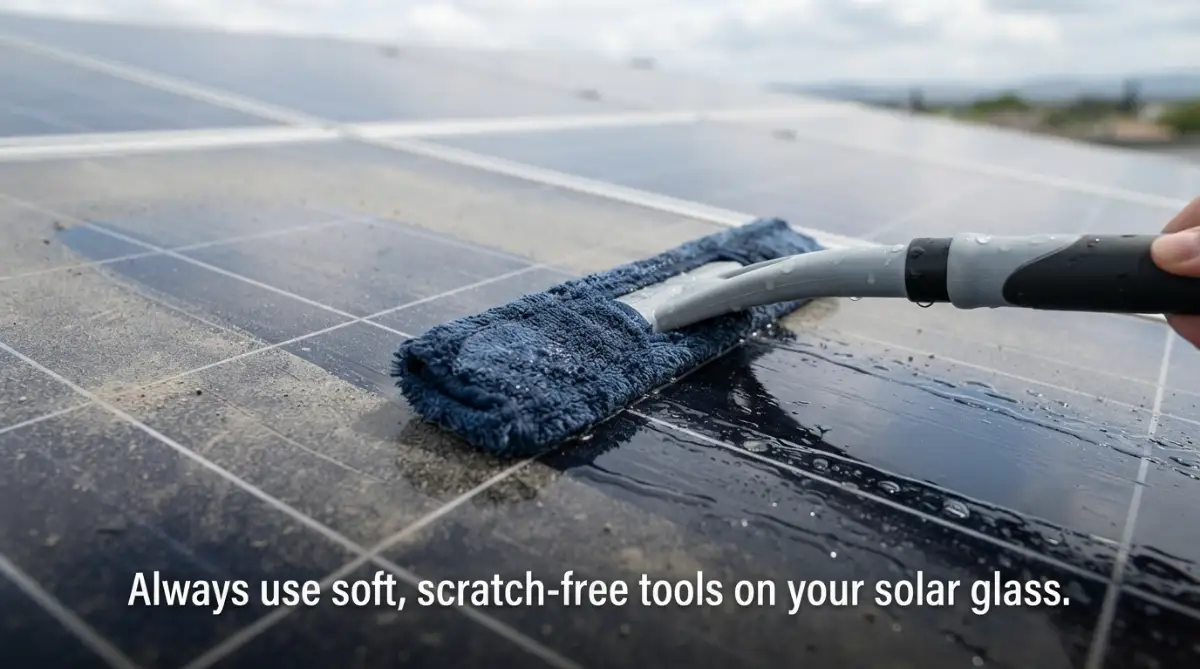
Before we pick up any tools, we must look at what makes your solar panels so special. The top layer of your panel is made of highly engineered, tempered glass. This glass is specially treated to let in as much sunlight as possible while protecting the silicon cells underneath.
However, this glass is not indestructible. It behaves very similarly to your car’s windshield. If you use the wrong materials, you will leave tiny scratches on the surface.
These micro-scratches act like tiny mirrors. They scatter incoming sunlight away from the solar cells instead of letting it pass through. Over time, millions of tiny scratches can permanently lower your energy system's power output.
Another major risk is temperature shock. Imagine pouring ice-cold water onto a hot glass baking dish fresh out of the oven. The sudden change in temperature will make the glass shatter instantly.
Your solar panels sit under the baking sun all day, getting extremely hot. If you spray cold well water on them in the middle of a hot afternoon, the glass can crack.
Once the protective glass cracks, moisture will seep inside the panel. This water will quickly ruin the electrical circuits, making the entire panel completely useless.
Understanding Roof Safety and Physical Risks
Climbing onto a roof is always dangerous, regardless of your experience level. When you add water and soap to the mix, your roof becomes as slippery as an ice rink.
Falling from a roof can cause severe, life-altering injuries. We must emphasize that no amount of energy savings is worth a trip to the emergency room.
If your solar panels are mounted on a steep roof, we strongly advise against climbing up. Instead, look for ways to clean them while keeping both of your feet firmly on the ground.
There is also an electrical aspect to keep in mind. Solar panels generate direct current electricity whenever light hits them.
While the electrical wires are heavily insulated, damaged panels or loose wires can pose a shock hazard. Spraying high-pressure water directly into exposed wiring is extremely dangerous.
Always turn off your solar inverter before starting any cleaning process. This simple action adds an extra layer of safety to your cleaning routine.
Myth vs. Reality: Common Home Cleaning Products to Avoid
Many well-meaning homeowners reach for common household cleaners to wash their solar arrays. This is one of the quickest ways to ruin your system. Let us look at what products you must avoid and why.
Cleaning ProductThe Hidden DangerSafe AlternativeDish Soap & DetergentsLeaves a sticky chemical film that attracts more dust quicklyPure water or specialized soapGlass Cleaners (Ammonia)Can strip away the protective anti-reflective coatingSimple lukewarm waterHard Tap WaterDeposits calcium and minerals that block sunlightDeionized or distilled waterWire Brushes & SpongesCreates permanent deep scratches in the tempered glassSoft microfiber clothsPressure WashersCracks the glass seals and forces water into electric partsLow-pressure garden hose
As you can see in the table, many standard cleaning supplies do more harm than good. A sticky soap residue acts like a magnet for airborne dirt. Within a week of cleaning with dish soap, your panels might look dirtier than before.
Hard tap water is another silent enemy. When tap water evaporates under the hot sun, it leaves white mineral spots behind. These mineral spots are difficult to remove and act like tiny sunglasses, blocking light from reaching the solar cells.
Water Source Compatibility & Mineral Rating:
- Rainwater (Highly Recommended): Naturally distilled, soft, and contains zero minerals. Dries completely clean without leaving spots on the glass.
- Deionized or Distilled Water (Highly Recommended): Ideal for spot-free drying. You can run standard tap water through a simple hose filter attachment to get this.
- City Tap Water (Moderate Risk): Contains treatment chemicals and light calcium. If you use it, you must squeegee it off immediately before it dries in the sun.
- 🪵 Well Water (High Risk): Often loaded with heavy iron and calcium. Avoid spraying directly onto warm panels, as it will bake into a tough, chalky crust.
The Right Tools for a Scratch-Free Clean
To clean your panels safely, you must gather the correct equipment before you begin. You do not need expensive commercial gear, but you do need tools that respect the delicate glass.
First, purchase a high-quality telescoping extension pole. This allows you to reach high panels while standing safely on the ground or on a sturdy ladder.
Make sure the pole has a soft brush attachment on the end. The bristles must feel as soft as a toothbrush. Look for brushes specifically labeled for solar panel or vehicle cleaning.
Next, find a squeegee with a soft rubber blade. This tool is essential for wiping away water before it can dry and leave mineral spots.
If you have access to a rainwater harvesting system, use that water. Rainwater is naturally soft and free of the heavy minerals found in well or city tap water.
For stubborn dirt, you can buy a small amount of distilled water from your local store. Using distilled water for the final rinse ensures a spot-free finish without any scrubbing.
When I first cleaned my panels, I made the mistake of using our hard tap water on a sunny afternoon, and it left ugly white mineral spots that took hours to get off. Now, I always use a cheap inline hose filter and clean them right at dawn. It is an absolute game-changer because the morning dew does most of the softening work for you.
Finding the Perfect Time to Wash Your Panels
Timing is everything when it comes to washing solar equipment. Cleaning at the wrong time of day can ruin your efforts and damage your panels.
The best time to clean your solar panels is early in the morning. At dawn, the panels are still cool from the night air, which completely removes the risk of thermal shock.
Additionally, morning dew often coats the panels. This dew acts as a natural pre-soak, softening bird droppings and baked-on dust. This makes the dirt much easier to wipe away without heavy scrubbing.
Alternatively, you can clean your panels late in the evening. Once the sun goes down, the glass cools down quickly, making it safe to apply water.
A cool, overcast day is also a great choice for this chore. The clouds block the direct heat of the sun, preventing your rinse water from evaporating too quickly.
If water dries too fast on the glass, it will leave streaks. Streaks block light and make your panels look messy, which defeats the purpose of cleaning them.
A Gentle Step-by-Step Washing Process
Now that you have the right tools and the perfect timing, we can walk through the actual washing process. We will keep this method as gentle as possible to protect your system.
Start by looking up at your panels from the ground. Look for any visible cracks in the glass or loose hanging wires.
If you spot any physical damage, do not wash the panels. Water entering a cracked panel can cause a short circuit or destroy the system.
If everything looks solid, proceed to turn off your solar system at the main breaker box. This shuts down the flow of electricity and keeps you safe.
Attach your soft brush to the telescoping pole. Before applying any water, gently sweep away loose leaves, dry dirt, and spider webs.
Removing this loose dry material first prevents it from turning into mud when you add water. Mud is much harder to clean and can clog your squeegee.
Work slowly and let the weight of the brush do the work. Do not push down hard on the glass.
Connect your garden hose to a standard spray nozzle. Set the nozzle to a gentle "shower" or "mist" setting.
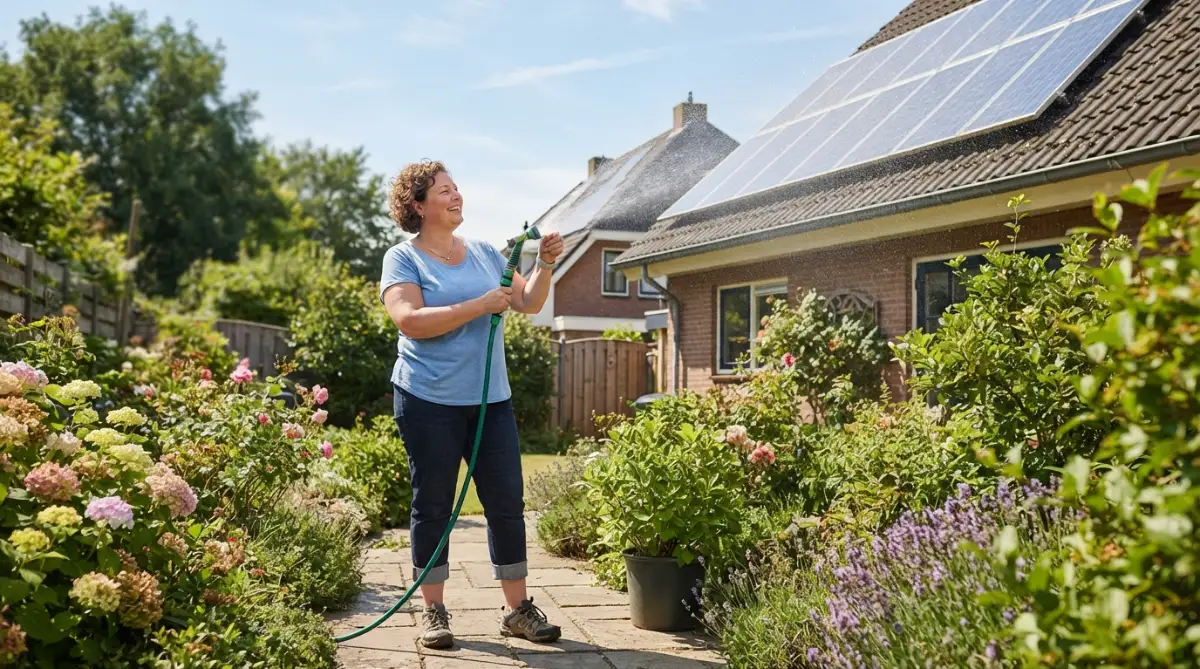
Never use a jet stream or a pressure washer. High-pressure water can damage the rubber seals that keep water out of the electrical components.
Spray water from the top of the panels down to the bottom. Let the water run over the dirt for a couple of minutes to loosen any stubborn grime.
Wet your soft brush and gently run it across the wet solar glass. Move the brush in straight, even lines from top to bottom.
Do not scrub in circular motions, as this can trap tiny dirt particles under the bristles and scratch the glass. Let the water carry the loosened dirt down the roof.
For areas with sticky bird droppings, do not scrape them with metal tools or razor blades. Instead, spray more water on the spot and let it sit for five minutes to soften.
Once the dirt is loose, switch your pole attachment to the rubber squeegee. Start at the top of the panel and pull the squeegee down in a single smooth stroke.
Wipe the squeegee blade with a clean microfiber cloth after every single pass. This prevents you from spreading dirty water back onto the clean glass.
Using a squeegee is the secret to getting a clear, streak-free surface. It removes the mineral-rich tap water before it has a chance to bake in the sun.
Before you start scrubbing, watch this short, practical video to see the gentle washing technique in action. It takes just a couple of minutes and will show you exactly how to hold your tools to avoid scratches!
Understanding Your Roof Pitch and Natural Cleaning
The angle of your roof plays a huge role in how dirty your panels get. This angle is called the roof pitch.
If your roof has a steep angle, you are in luck. Rainwater will naturally run down the steep glass quickly, carrying most of the dust and dirt with it.
Homeowners with steep roofs rarely need to wash their panels manually. A few heavy rainstorms a year are usually enough to keep the system running efficiently.
On the other hand, flat roofs or low-angle roofs have a hard time. Water tends to pool on flat solar panels instead of running off.
As these pools of water evaporate, they leave circles of concentrated dirt and mud. If your solar panels are mounted flat, you will need to clean them more frequently.
For flat roofs, a simple monthly rinse with a hose from the ground is highly effective.
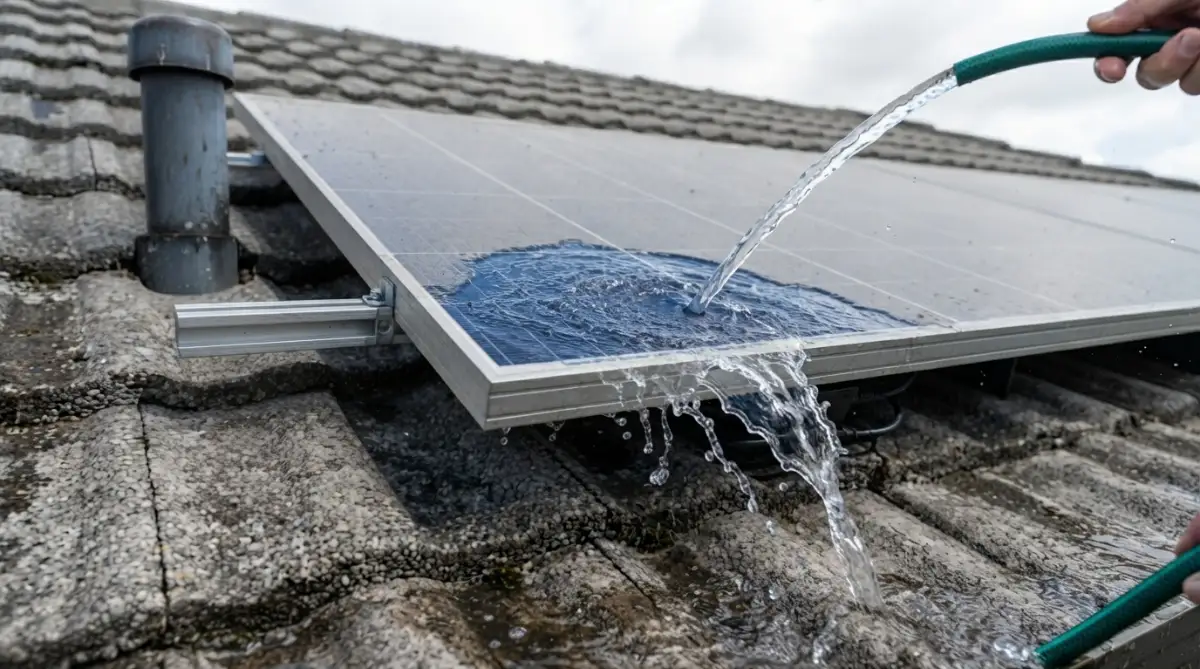
This prevents dirt pools from building up and solidifying over time.
How to Deal with Tough Organic Stains Safely
Sometimes, simple water is not enough to clean your system. Bird droppings and tree sap can stick to the glass like glue.
If you encounter these tough stains, do not panic. Do not reach for harsh chemicals like bleach or paint thinner.
Instead, mix a small amount of gentle, fragrance-free baby shampoo with warm water in a bucket. Baby shampoo is designed to be extremely mild and will not damage the protective glass coating.
Dip your soft microfiber sponge into this soapy mixture. Gently dab the soapy water onto the tough stain and let it sit.
After a few minutes, the organic proteins in the stain will break down. You can then wipe the spot clean with your soft brush and rinse it thoroughly with clean water.
Safe Storage for Your Cleaning Equipment
Once your solar panels are clean and shining, you must care for your tools. Dirty tools can scratch your panels during the next cleaning session.
Rinse your soft brush thoroughly under clean running water to remove any trapped sand or dirt particles. Shake out the excess water and let the brush air dry completely.
Store your extension pole, brush, and squeegee in a clean, dry place like a garage or storage shed. Keep them off the floor so they do not collect dust or pests.
Inspect your tools before every use. If you notice the squeegee rubber has cracked or the brush bristles have become stiff, replace them immediately.
Investing in high-quality tools and keeping them clean protects your expensive solar system. It ensures that every wash is safe, effective, and stress-free.
When to Leave It to the Professionals
While DIY cleaning is satisfying, we must recognize our limits. There are times when hiring a professional service is the smartest and safest choice.
If your home is more than two stories tall, cleaning from the ground is usually impossible. Climbing onto a high, steep roof without professional safety harness equipment is a major risk.
Additionally, if your physical health or balance is not at its best, please do not climb ladders. Your safety and well-being are always the top priority.
Professional solar cleaning companies have specialized safety gear, water filtration systems, and insurance. They can clean your system quickly and safely without putting anyone in danger.
If you choose to hire professionals, ask them about their cleaning methods. Make sure they use pure water and soft brushes, and that they do not use harsh chemicals or pressure washers.
Final Checks Before Restarting Your System
After you finish cleaning and the panels are completely dry, you can prepare to turn your system back on. Take one last look from the ground to make sure everything looks perfect.
Confirm that you have put away all of your cleaning tools, hoses, and ladders. Ensure that no wet towels or rags are left lying on the roof.
Go to your solar breaker box and switch the system back on. Watch the system's display screen or your mobile app as it boots up.
Within a few minutes, you should see your green energy production numbers begin to climb. You can now enjoy the full saving power of your clean, bright solar panels.
Taking care of your solar panels is a great way to protect your home energy investment. By using gentle methods, the right tools, and prioritizing safety, you can keep your system running smoothly for many years to come.
Professional Strategies for Long-Term Solar Panel Performance
Maintaining your clean energy system requires more than just a quick spray with a garden hose. To truly maximize your power output over the next few decades, you should adopt a proactive management plan. This prevents heavy dirt from bonding to the glass in the first place.
One excellent method is to coordinate your wash schedule with your local weather forecast. If you see a light rain shower in the weekly forecast, prepare to act. A light rain will often soften up tough dirt, but it may not be strong enough to wash it away completely.
Right after a light rain ends, use your soft extension brush to gently wipe down the damp glass. The rain has already done the hard work of breaking down sticky pollen and bird droppings. You will save hours of manual scrubbing by letting nature do the pre-soak for you.
If you live in a dry, dusty region, managing the immediate environment around your home is another smart step. Dirt from unpaved driveways, gravel paths, and bare garden soil can easily blow onto your low-slung roof. Plant a natural barrier of thick green grass or low shrubs to catch this dust before it reaches your house.
Also, keep an eye on nearby trees that drop sticky sap, leaves, or heavy pine needles. Trim back overhanging branches to keep your solar panels clear and to discourage birds from nesting nearby. Fewer birds hanging around your roof means significantly fewer acidic droppings to clean up later.
Mastering the Art of Inline Water Filtration
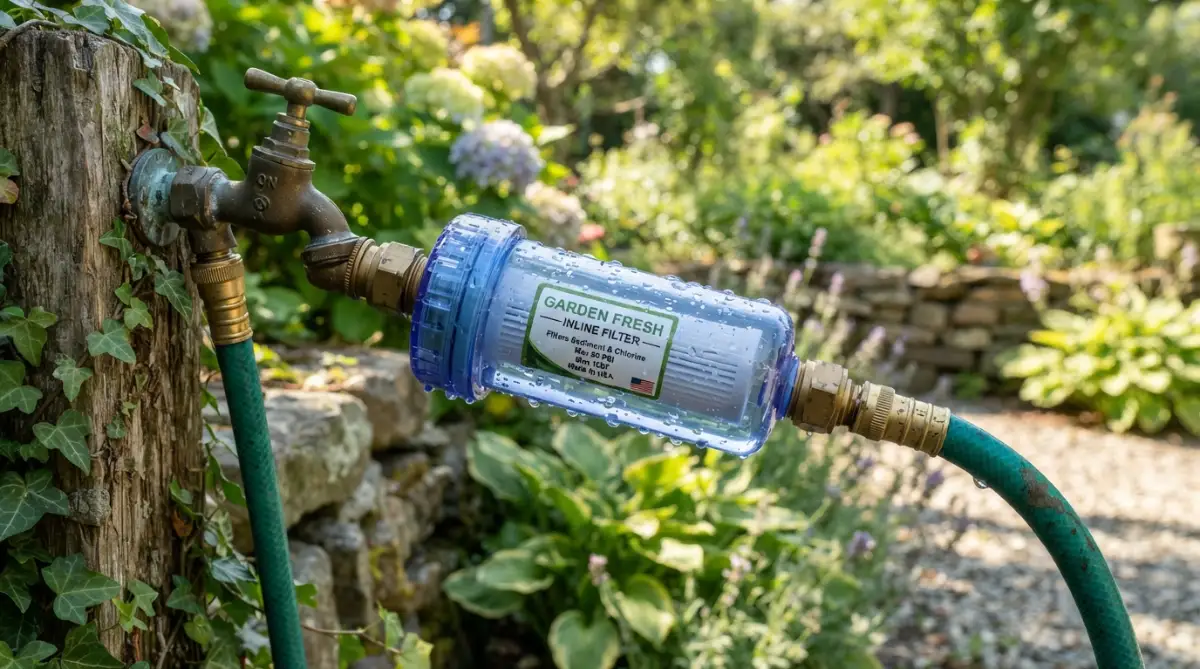
If you must use your regular household tap water to wash your solar array, consider buying a simple inline water filter. These small, inexpensive filters attach directly between your garden hose and your outdoor water spigot. They work by catching heavy minerals, calcium, and sediment before the water sprays onto your panels.
Using filtered water is a game-changer because it eliminates the risk of hard water stains. You will not have to spend time drying every inch of the glass with a squeegee to prevent white spots. The filtered water dries clean and clear, leaving your panels looking like they were washed by a professional team.
Many homeowners do not realize that mineral buildup on solar glass is cumulative. Every time you rinse your panels with hard well water, you add another microscopic layer of mineral crust. Over a few years, this crust can become almost impossible to remove without specialized chemicals that might damage the glass.
If you want to understand the scientific impact of dirt accumulation, you can look at official research. Detailed scientific studies on solar panel soiling by government laboratories show that dust can block up to thirty percent of incoming sunlight. This loss of light directly translates to a thirty percent drop in your daily green energy generation.
Coordinating Your Whole Home Energy System
If your home solar panels are connected to a backup battery bank, keeping the glass clean is even more important. A dirty system cannot charge your battery bank to full capacity during short winter days. This leaves you vulnerable to unexpected power outages when the sun goes down.
Managing a home battery storage system requires a balanced approach to your daily electrical load. It is very similar to knowing easy ways to keep your electric car battery healthy for years so you get the most out of your battery cells. By matching your daily energy usage to your clean power generation, you extend the life of your entire system.
As you expand your home green energy setup, you might consider adding high-power appliances like electric vehicle chargers. Learning how to set up your first home EV charger without tripping your breaker is another step toward total energy independence. A clean, efficient solar roof ensures you can charge your vehicle using nothing but free, natural sunlight.
Remember to keep a simple written log of your cleaning dates and your system's power output. If you notice a sudden jump in power generation after a quick wash, you will know your efforts are paying off. This data can also be highly valuable if you ever decide to sell your home and want to prove your solar system is in top condition.
Dangerous Pitfalls: Mistakes That Can Destroy Your Solar System
Now, let us discuss some of the most common mistakes well-meaning homeowners make when attempting this chore. These errors can turn a simple cleaning session into an incredibly expensive repair project. Understanding these traps is the best way to keep your home safe and your warranties fully active.
The absolute worst mistake you can make is using a high-pressure washer on your roof. High-pressure water jets are designed to blast paint off wood and dirt off concrete. They are far too powerful for the delicate waterproof seals surrounding your solar glass panels.
A pressure washer will easily push water past the rubber gaskets and directly into the electrical wiring beneath the panels. This can cause immediate short circuits, corrosion, and permanent system failure. In some cases, high pressure can even cause micro-fractures in the tempered glass that are invisible to the naked eye.
These tiny cracks will slowly expand as the weather changes from hot to cold. Eventually, the glass will shatter completely during a heavy rainstorm, leaving you with a massive replacement bill. Always stick to a standard garden hose with a gentle spray nozzle.
Another major mistake is using abrasive cleaning tools like wire brushes, steel wool, or rough kitchen sponges. These materials will scrub away dirt, but they will also leave thousands of micro-scratches on the glass surface. These scratches act like tiny mirrors, reflecting sunlight away from the solar cells and permanently lowering your system's maximum power output.
The Dangers of Chemical Stripping and Household Soaps
Many people assume that if a soap is safe for their dishes or car paint, it must be safe for their solar panels. This assumption can be a costly error. Harsh detergents, bleach, and heavy window cleaners can strip away the specialized anti-reflective coating on your panels.
This microscopic coating is engineered to help the glass absorb as much light as possible from different angles. Once this coating is damaged or removed by harsh chemicals, your panels will lose a significant portion of their efficiency. Additionally, sticky dish soaps leave a thin residue behind that acts like a magnet for dirt and pollen.
Within just a few days of washing with dish soap, your panels will collect more dust than before you cleaned them. Stick to pure, clean water or specialized, pH-neutral solar cleaning solutions recommended by manufacturers. This keeps the glass clear and preserves the integrity of your warranty.
You should also check the official industry guidelines from the Solar Energy Industries Association to understand your legal rights as a system owner. Many manufacturers will void your entire product warranty if they find evidence of chemical damage or pressure washer use. Protecting your warranty is just as important as protecting the physical glass itself.
Never attempt to scrape off dried tree sap or bird droppings with a razor blade, putty knife, or flathead screwdriver. It is incredibly easy to slip and scratch the tempered glass or gouge the aluminum frame. Instead, place a wet, warm microfiber towel over the stubborn spot and let it sit for ten minutes to soften the debris naturally.
Finally, never step, walk, or lean heavily on your solar panels during the cleaning process. Even if the panels feel solid under your hand, they are not designed to support human weight. Putting localized pressure on the glass can bend the internal silicon cells, causing invisible micro-cracks that destroy the panel's productivity over time.
Your Roadmap to Consistent Clean Energy
Taking care of your home solar panels does not have to be a complicated or scary chore. By establishing a simple, gentle, and regular cleaning routine, you can easily maintain peak energy production. You do not need expensive commercial tools or professional training to do this job well.
With a soft telescoping brush, a rubber squeegee, a garden hose, and a little patience, you can protect your investment for decades. Always put your physical safety first, and choose the cool hours of the early morning to protect the delicate glass from temperature shock. Your wallet will thank you as you watch your monthly electricity bills drop back down to zero.
Let this weekend be the start of your journey toward a cleaner, more efficient home energy system. Gather your simple tools, check the morning weather forecast, and give your panels the gentle care they deserve. You have built a beautiful, modern, self-sustaining home, and keeping it running beautifully is entirely within your reach.
Important Disclaimer
The information provided in this guide is for educational and informational purposes only. Working on roofs and near electrical systems involves inherent risks of personal injury or property damage. Always prioritize your personal safety, use appropriate safety gear, and consult your solar system's official manufacturer manual before performing any maintenance. If you feel uncomfortable climbing onto a ladder or working on a roof, please hire a certified, fully insured professional solar maintenance service.
Once I got over my fear and set up a simple cleaning routine, maintaining my panels became an easy task rather than a stressful chore. Seeing my energy production jump back up after a quick, safe wash is incredibly rewarding. Grab your soft brush this weekend and take back control of your clean energy savings!