
The Invisible Weight We Carry Every Single Day
Have you ever slept for a solid eight hours, only to wake up feeling like you ran a marathon in your sleep? You drag yourself out of bed, stare at your morning coffee, and wonder why your head already feels completely packed. This is not normal physical tiredness—it is a quiet mental fatigue caused by tiny, ignored habits eating your brain power every hour.
Still, my mind felt like a computer running thirty heavy apps at the exact same time. That was when I realized my fatigue did not come from a lack of sleep. It was coming from the tiny, invisible choices I made every single hour of my day.
Many of us walk around carrying a heavy weight we cannot see. We blame our jobs, our families, or our busy schedules for our constant fatigue.
But the truth is much quieter and more frustrating. We are slowly poisoning our peace of mind through tiny routines we do without thinking.
Imagine opening your eyes and immediately feeling a wave of worry about things you have not even done yet. You scroll your phone, check your emails, and suddenly your head feels heavy before your feet even touch the floor.
This constant state of worry eats away at your spirit, leaving you dry and empty.
Let us look at what is actually happening vs what we tell ourselves.
- Myth: "I am just lazy, and I need to push myself harder to get through this fog."
- Fact: Your brain is chemically exhausted. Forcing more willpower onto a drained mind is like stepping on the gas pedal of a car that is completely out of fuel.
- Myth: "Checking my phone first thing helps me plan my day."
- Fact: It forces your brain into a state of comparison and crisis management before you have even woken up.
[CTRL+F Search Line - Insert AFTER this text]: "Spend your first thirty minutes awake doing"
[New Content Block 2]:
My Simple 3-Step Morning Formula
Here is exactly what I do to keep my mind calm before checking any screens:
- The Glass of Water Rule: I drink a full glass of water right beside my bed to physically wake my body up.
- The 5-Minute Window: I open my window and look outside at the morning light. Natural light tells your brain to stop producing sleep hormones.
- The Priority Pick: I decide on just one big goal for the day before I ever unlock my screen.
You struggle to listen to your kids, your focus at work slips away, and you find yourself snapping at the people you love.
I
It makes you feel like you are failing at life, even when you are trying your absolute best. You start to think that maybe this is just who you are now—tired, grumpy, and perpetually overwhelmed.
But it does not have to be this way, and you are definitely not alone in this heavy struggle. We can fix this together once we shine a light on these hidden thieves.
To truly understand this, we must look at how our brains handle energy. Your brain is not a machine that runs forever without stopping.
It is more like a battery that has a limited amount of power each day. Every time you make a decision, check a message, or worry about the future, you drain a little bit of that power.
Most of us do not realize that our daily routines are constantly poking holes in this battery. By the time afternoon arrives, we have leaked all our energy away.
We try to patch it up with coffee or sugary snacks, but that only makes the crash worse later on. The key is not to find more energy, but to stop the leaks before they start.
The Sneaky Mental Thieves Hiding in Your Daily Routine
Let us look at the most common habits that are quietly robbing you of your peace. Once you see them, you can start to take your power back.
The Morning Screen Trap
The very first thing most of us do when we wake up is reach for our smartphones. We think we are just checking the time or looking at the weather.
In reality, we are throwing our brains into a state of instant panic. Your mind goes from a peaceful sleep state straight into a flood of news, emails, and social media drama.
This triggers a sudden rush of stress hormones like cortisol. Your brain thinks it needs to defend itself, which burns up a huge amount of mental power in your first ten minutes of the day.
Instead of starting your day with calm intention, you start it in a reactive state. You are already responding to other people's needs and problems before you even brush your teeth.
This simple mistake sets the tone for your entire afternoon and evening. It leaves you feeling hurried, scattered, and anxious without knowing why.
Try leaving your phone in another room overnight. Spend your first thirty minutes awake doing something simple, like stretching or drinking a glass of water.
Why Small Choices Wear Out Your Mind
Have you ever wondered why you feel completely exhausted after a day of doing nothing but sitting at a desk? This is because of a real mental state called decision fatigue.
Your brain does not care if a choice is big or small; it uses energy for all of them. Choosing what to wear, what to eat, which email to answer first, or even what to watch on TV drains your battery.
When you do not have a set routine, you force your brain to make hundreds of these tiny choices all day long. By the time you need to make an important decision, your mind is too tired to think clearly.
This is why you might find yourself buying fast food or scrolling social media instead of doing your evening workout. Your willpower is simply gone because you spent it all on small details.
You can fight this by simplifying your daily choices. Plan your meals for the week, lay out your clothes the night before, and create a simple morning flow that you can do on autopilot.
Running Too Many Mental Browser Tabs
Think of your brain like an internet browser. When you have two or three tabs open, everything runs fast and smooth.

But when you open fifty tabs, your computer starts to lag, get hot, and eventually crashes. Many of us keep dozens of mental tabs open all day.
We think about the bill we need to pay, the text we forgot to send, the chore we need to finish, and the project due next week. We do not actually do these things; we just keep thinking about them.
This creates a state of constant background stress. Your mind is working incredibly hard to remember all these uncompleted tasks, which leaves you feeling completely drained.
I used to keep twenty different mental notes in my head, thinking I was a genius at multitasking. Then I suffered a massive panic attack because I forgot a simple grocery item. Now, I write everything down on a physical notepad the moment it pops into my mind to keep my brain clear.
Writing things down is like closing those open browser tabs. It tells your brain that the information is safe, so it can finally stop worrying about it.
The Trap of Being Always Available
In modern times, we are expected to be reachable twenty-four hours a day. We get text messages, work emails, and social media notifications at all hours.
We feel a silent pressure to reply to everything immediately. This constant connection means your brain never gets to truly rest or unplug.
You are always on high alert, waiting for the next ping or buzz from your pocket. This keeps your nervous system in a mild state of fight-or-flight.
Even when you are relaxing with a movie or eating dinner, your mind is still half-focused on your device. This constant division of attention makes it impossible to find deep peace.
Are you tired of feeling like your phone owns your mind? Watch this eye-opening video on how digital overload quietly reshapes your brain and how to stop it.
Suppressing Small Emotions
We often think that mental energy is only about thinking and working. However, managing your emotions actually takes up a massive amount of physical and mental power.
When you spend your day pretending to be happy when you are sad, or quiet when you are angry, you burn energy.
What is Sucking Your Brain Power? (Quick Summary)
If you want to stop feeling constantly overwhelmed, keep these key points in mind as we read on:
- Your brain has a limited battery: Big decisions and tiny, daily choices use the exact same energy reserve. [1]
- Morning screens are a trap: Checking your phone right away floods your mind with early stress, causing a mid-afternoon crash.
- Close your mental tabs: Holding tasks in your head instead of writing them down creates a constant drain on your nervous system.
- True rest is not entertainment: Scrolling social media keeps your brain working; real recovery requires silent, low-stimulation breaks.
Holding back your true feelings is like trying to hold a beach ball underwater.
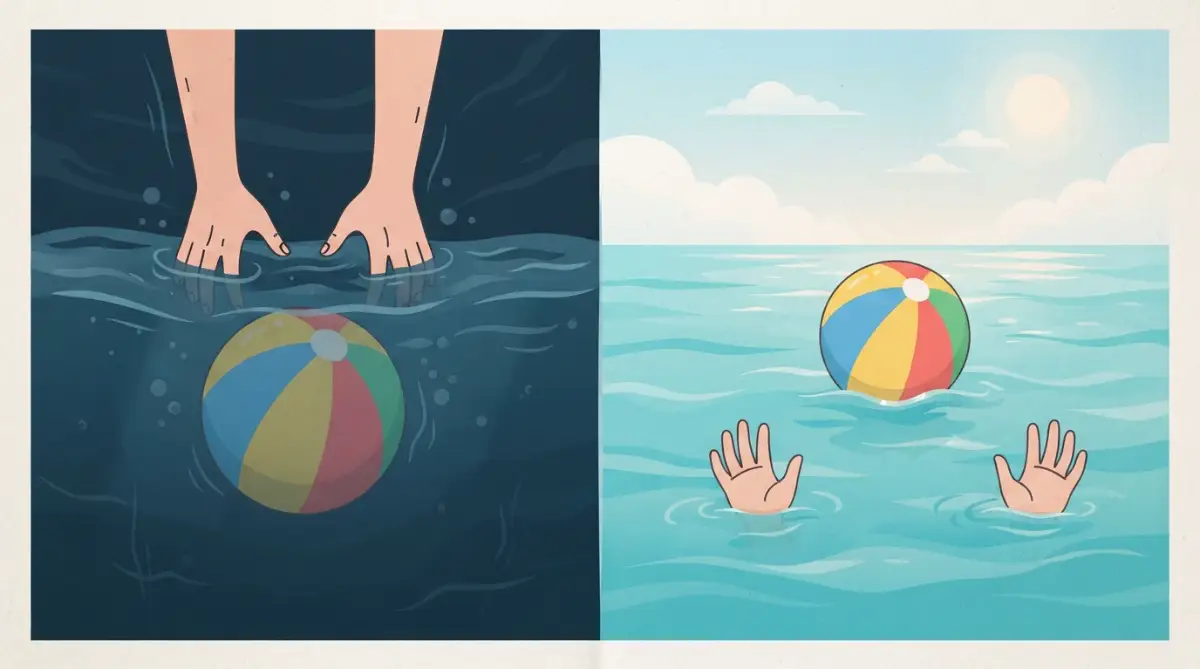
It takes constant, active effort to keep it down. By the end of the day, you feel completely exhausted, but you have no work to show for it.
We must learn to acknowledge our feelings as they happen. Letting yourself feel a little sad or angry for a moment is much healthier than burying it deep inside.
Taking a few minutes to sit quietly and feel your emotions can save you hours of fatigue later in the day. It lets your mind process the stress instead of carrying it around like heavy luggage.
Forgetting the Power of True Rest
Many people confuse rest with entertainment. They think that sitting on the couch and watching a loud, fast action movie is resting.
Or they scroll through social media feeds for hours, thinking it relaxes them. In reality, these activities still force your brain to process huge amounts of visual and emotional data.
True rest is quiet and simple. It is a walk in nature, a quiet bath, or just sitting on the porch watching the rain.
Your brain needs moments of low input to process your thoughts and clean out mental waste. When you do not give it these quiet spaces, your mind becomes cluttered and slow.
Make sure to schedule at least fifteen minutes of zero-input time every single day. Let your mind wander without a screen, a book, or a podcast to distract it.
Simple Everyday Shifts to Reclaim Your Power
Now that we know what is stealing our energy, we can start to build a better path forward. You do not need to change your entire life overnight to feel a difference.
Set Boundaries with Your Tech
Your phone should be a tool that helps you, not a master that rules you. Start by turning off all notifications that are not from real people.
You do not need to know every time a social app gets a new post or a game has a sale. Let yourself check these apps when you want to, not when they tell you to.
Create a rule where your phone goes away during meals and after nine at night. This gives your brain a chance to wind down naturally before sleep.
You will be amazed at how much lighter your head feels after just a few days of this boundary. You will start to notice the world around you instead of staring at a small glass screen.
Establish a Evening Brain Dump
One of the best ways to get a good night of sleep is to clear your head before bed. Take a blank piece of paper and write down everything you are worried about.
Write down your chores, your worries, and your plans for the next day. Once it is on the paper, tell yourself that you are done with those thoughts for the night.
This simple act acts as a signal to your nervous system that it is safe to relax. It prevents your mind from racing when you are trying to fall asleep.
You will wake up the next morning feeling much fresher and ready to face the day. Your brain will not have to spend the night sorting through unorganized thoughts.
Embrace the Power of "No"
We often drain our energy because we try to please everyone else at our own expense. We say yes to extra work, social events, and favors we do not have the strength to do.
Every time you say yes to someone else, you are saying no to your own health and peace. It is okay to set boundaries and protect your limited time.
You can say no with kindness and respect. People who truly care about you will understand and support your need for rest.
Learning to say no is one of the most powerful steps you can take toward a happier, calmer life. It gives you the space to say a hearty yes to the things that actually matter.
Wrapping Up Our Journey Together
Your mental energy is your most precious resource. It determines how you experience your life, how you treat your family, and how you feel about yourself.
Do not let tiny, unconscious habits steal this beautiful gift from you day after day. Start with just one small change today, like keeping your phone out of your bed.
Be patient with yourself as you build these new, healthy routines. You deserve to live a life where you feel awake, present, and filled with quiet joy.
Advanced Practical Steps to Build Lasting Mental Strength
To keep your mind running smoothly over the long term, you need more than just quick fixes. You must build a system that protects your brain from constant wear and tear.
When your morning and evening flows are set in stone, you do not waste precious energy wondering what to do next. Your body simply moves through the steps, leaving your mind clean and ready for deep thinking.
Running a day without a systematic plan is like trying to handle a company without using a simple CRM software to keep things organized. You end up reacting to every little fire instead of focusing on what really matters.
Another advanced secret is the practice of sensory sensory-deprivation blocks during your workday. For twenty minutes, twice a day, turn off all screens, put on noise-canceling headphones, and close your eyes.
This simple break gives your optic nerve and your auditory cortex a complete rest from the constant noise of modern life. Studies shared by the National Institutes of Health show that brief periods of quiet can significantly lower systemic stress levels in the body.
You should also look closely at your relationship with your work. True mental stamina comes from working in short, focused bursts rather than long, exhausting marathons.
Try using a timer to work for forty minutes, followed by a strict ten-minute break where you stand up and stretch. During this break, do not look at your phone or read articles.
Instead, look out a window, drink some water, or let your mind wander freely. This helps your brain file away the information you just processed and resets your focus.
According to research from Harvard Health Publishing, giving your brain regular, unfocused breaks is essential for creative problem-solving. It allows your subconscious mind to connect different ideas without the pressure of a deadline.
To find more tips on building a peaceful lifestyle and making smart decisions, you can check out trustpickshq.com for detailed guides. Managing your mental load is the first step toward building a secure, happy life.

The Dangerous Mistakes That Keep Your Mind Drained
When people try to reclaim their mental energy, they often fall into common traps that make the problem worse. One major mistake is relying entirely on willpower to change bad habits.
Willpower is a limited resource that runs out quickly when you are tired or stressed. If you rely only on your strength of mind to avoid checking your phone, you will eventually fail.
Instead, you must change your physical surroundings to make bad habits difficult and good habits easy. If your phone is in another room, you will not scroll through it in the middle of the night.
Another common pitfall is confusing physical inactivity with genuine mental rest. Many people think that spending an entire weekend lying on the couch watching TV will cure their burnout.
However, your brain is still highly active when you watch intense dramas or scroll through social media videos. You wake up on Monday morning feeling just as tired as you did on Friday night.
Real rest requires low-stimulation activities that allow your nervous system to calm down. Walks in quiet parks, drawing, or spending time with a pet are much better for recovery.
People also tend to ignore the connection between physical health and mental clarity. They drink massive amounts of coffee to stay awake but forget to drink basic water throughout the day.
Dehydration is a leading cause of sudden brain fog and physical fatigue. By the time you feel thirsty, your brain is already running at a lower speed.
Ignoring your body's basic needs can lead to sudden lifestyle shifts or heavy gaps in your daily security. This is similar to wondering what happens to your health insurance coverage when changing jobs mid-year because you had to leave a stressful position suddenly.
You must treat your mind with the same care and planning that you use to protect your physical property. You would not leave gaps in your business coverage, which is why learning smart ways to avoid commercial property insurance gaps is just as important as sealing the gaps in your mental daily routines.
When you ignore the warning signs of mental exhaustion, you risk burning out completely. This can damage your career, hurt your relationships, and leave you feeling hopeless.
According to data on stress patterns published by the American Psychological Association, chronic exhaustion directly weakens your immune system over time. It makes you more likely to get sick and takes away your zest for daily life.
Protecting your mind is a necessity if you want to enjoy your life and do your best work. Do not wait for a complete collapse before you start paying attention to your energy levels.
Your Action Plan for Daily Peace
Taking back control of your mind does not require you to move to a quiet cabin in the woods. It simply requires you to make small, deliberate choices every single day.
Think of your mind as a creative engine that needs the right fuel and environment to work. If you clutter your thoughts with constant stress, you will struggle to do creative tasks, like trying to figure out how to write better AI image prompts for perfect results when your focus is completely scattered.
Failing to protect your brain is like running an online store without protecting your e-commerce dreams through basic online security. You leave yourself open to sudden threats that can ruin all of your hard work in an instant.
Start today by choosing just one habit to change, and give yourself permission to start small. You will soon find that your mind feels lighter, your focus is sharper, and your days are filled with genuine peace.
I remember when I finally decided to turn off my work email notifications after six in the evening. My heart was pounding because I was terrified I would miss an urgent message. But after three days, my evening anxiety vanished, and I finally got my energy back.
Common Questions About Mental Energy
How do I know if I am physically tired or mentally drained?
If you get a full eight hours of sleep but still wake up feeling heavy and unmotivated, you are likely mentally drained. Physical tiredness usually goes away with a good night of rest, while mental fatigue requires quiet time away from screens and decisions.
Is coffee bad for my mental energy?
Coffee is not bad in moderation, but relying on it to get through the day can create a vicious cycle. Caffeine masks your fatigue instead of curing it, leading to a sharp energy crash later in the afternoon.
Can social media scrolling count as relaxation?
No, scrolling through social media is highly stimulating and forces your brain to process hundreds of emotions and images in a short time. This active processing burns up your mental power instead of letting your mind rest.
How long does it take to recover from brain fog?
Most people start to feel a noticeable improvement within three to five days of cutting down on screen time and setting basic daily routines. Consistency is key to letting your nervous system fully reset.
Disclaimer
This article is for informational and educational purposes only. It is not intended to be a substitute for professional medical advice, diagnosis, or treatment. Always seek the advice of your physician or another qualified healthcare provider with any questions you may have regarding a medical condition or persistent fatigue.