
The Hidden Weight of Rising Home Insurance Costs
Finding a thirty percent spike in your home insurance bill is enough to ruin any morning. I sat at my desk staring at that fresh statement last year, realizing my household budget was taking a heavy hit for no clear reason. That shock forced me to dig deep into how insurance companies price risk, and it completely changed how I protect my property.
I felt a heavy knot form in my stomach. I knew I had to find a way to fix this without losing my coverage. That moment started my long journey into understanding how insurance companies actually calculate our rates.
Many of us feel completely helpless when these bills arrive. We watch our hard-earned money slip away to pay for rising premiums. It feels like a quiet tax that we cannot escape.
You actually have a lot of control over how risky your house looks to an underwriter. By doing your own safety checkup, you can change the game completely. Let us explore how we can take back control of our wallets.
I
Key Takeaways to Lower Your Home Insurance Bills:
- Remove underwriting red flags by fixing minor roof and foundation cracks before they become costly claims.
- Install monitored smart security systems and water leak sensors to trigger immediate policy discounts.
- Keep your claims history completely clean by paying for minor household repairs out of your own pocket.
Transforming Your Home from a Risk into a Safe Haven
To save money, you must first understand how insurance companies think. They do not just look at the size of your house or your zip code. They look at your home as a list of potential disasters waiting to happen.
Every old pipe, weak window, and missing smoke detector is a red flag to them. These red flags translate directly into higher prices on your monthly bill. If you can remove these red flags, they have to lower your price.
Understanding the Insurance Mindset
An insurance company is basically a math business. They estimate how likely you are to file a claim. If they think you will file a claim soon, they charge you more.
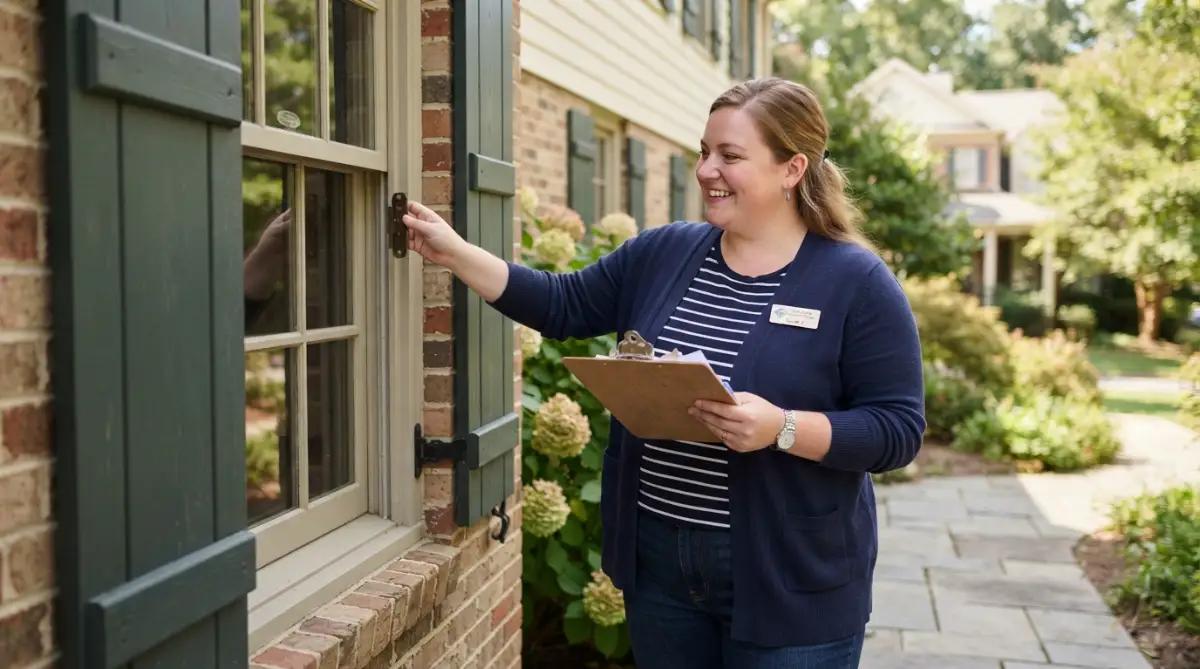
When you perform a personal safety check, you are acting like an inspector. You find the weak spots before they cause trouble. This simple act keeps your house safe and keeps your cash in your pocket.
Let us look at some common myths about insurance pricing. Understanding these facts will help you make better decisions.
By knowing the truth, you can focus your energy on what actually works. You will not waste time on things that do not save you money.
Evaluating Your Structural Health
The first place to look is the very top of your house. Your roof is your home’s main shield against the weather. Insurance companies absolutely hate old or damaged roofs.
If your roof is over fifteen years old, your premium is likely very high. By inspecting it for loose shingles, you can prevent water leaks. Water damage is one of the most common insurance claims.
You should also look at your home's foundation. Walk around the outside of your house and search for cracks. Even small cracks can let water seep into your basement over time.

Fixing these small cracks early shows your insurer that you are a responsible owner. It proves that you do not let small problems turn into massive claims. This proactive attitude is exactly what underwriters love to see.
Are you ready to see a real-world example of how simple updates can protect your home and save you cash? Watch this quick guide to learn how physical changes make your house much safer.
Upgrading Your Security Systems
Let us talk about modern technology and how it can help your wallet. Installing a smart security system is one of the fastest ways to get a discount. Insurers love homes that actively protect themselves.

A basic deadbolt lock is good, but a smart lock is much better. Many companies offer discounts for homes with active alarm systems. These systems warn you of trouble before it gets out of hand.
You should also consider water leak sensors. A tiny leak under your kitchen sink can cause thousands of dollars in damage. A smart sensor can alert your phone the second water touches the floor.
For example, my brother placed a wireless moisture sensor underneath his dishwasher last spring. When a hose clamp loosened up during a heavy wash cycle, his phone pinged instantly, allowing him to shut off the valve before a single drop hit the subfloor.
This quick warning allows you to turn off the water main immediately. You avoid a major mess, and your insurer avoids a massive payout. It is a win-win situation for everyone involved.
Pro Tip: When I first started looking for ways to save, I made a huge mistake. I bought the cheapest smoke detectors I could find at the local hardware store. I thought a detector was just a detector, but my insurance company did not care about them. I later learned that you only get the best discounts if your alarms are connected to a central monitoring station. Once I upgraded to a monitored system, my discount tripled. Always check with your agent before buying safety gear to ensure it qualifies for a price cut.
Fortifying Against Nature
Depending on where you live, natural hazards can be your biggest threat. If you live near the coast, wind is your enemy. If you live in the woods, fire is your main worry.
You can protect your home by clearing dry brush away from your walls. Creating a safe space around your house reduces the risk of fire damage. This simple chore costs almost nothing but your time.
If wind is your main issue, look into storm shutters. These shutters protect your windows from flying debris during a storm. When windows break, wind enters the house and can blow the roof off.
By keeping your windows intact, you save the entire structure of your home. Insurers in stormy areas often offer massive discounts for these protections. It is well worth the weekend effort to install them.
Rethinking Your Deductibles
Another legal and highly effective method is adjusting your deductible. Your deductible is the amount of money you pay before insurance kicks in. Many people keep this number very low, like five hundred dollars.
This means the insurance company has to pay for almost every tiny accident. Because of this, they charge you a much higher annual rate.
If you raise your deductible to one thousand or two thousand dollars, your premium will drop significantly. You are telling the insurer that you will handle the small stuff. They only need to step in for major disasters.
Just make sure you actually keep that deductible money saved in a bank account. You do not want to be caught unprepared if an emergency does happen.
Documenting Your Improvements
Once you make these safety updates, you cannot just sit back and hope for a discount. You must prove to your insurance company that you did the work. This is where documentation becomes incredibly important.
Take clear photos of every single upgrade you make to your home. Keep your receipts for materials and professional labor in a safe place.
Ask your insurance agent for a home safety review form. Fill it out completely and attach your photos and receipts as proof.
When you present a clean, organized package of evidence, underwriters are much more likely to apply discounts. They see that you are an organized and careful homeowner. This alone can save you hundreds of dollars every year.
Managing Your Claims History
Your personal insurance history is like a credit score for safety. Every time you file a claim, it goes onto a national database. Other insurance companies can see this history when you ask for a quote.
If you file three small claims in two years, you look like a very risky client. Even if the claims were for small amounts, the frequency scares insurers.
Try to pay for small repairs out of your own pocket whenever possible. Save your insurance policy for big disasters that you truly cannot afford to fix alone.
Keeping your claims history clean is a long-term strategy for low rates. It shows that you treat your policy as a safety net, not a maintenance fund.
Looking at Utility Upgrades
Old electrical systems are a major cause of residential fires. If your home still has an outdated fuse box, you are likely paying too much. Upgrading to a modern circuit breaker panel reduces fire risks.
The same rule applies to old copper or galvanized water pipes. These older materials tend to rust and burst as they age.
Replacing them with modern PEX piping reduces the chance of sudden water damage. Your insurance company will appreciate these hidden updates.
These plumbing and electrical upgrades might seem expensive at first. However, they add value to your home and offer steady insurance savings for years.
Using Professional Mitigation Inspections
In many states, you can hire a certified inspector to check your home's wind resistance. This is often called a wind mitigation inspection.
The inspector checks how your roof is attached to your home’s walls. They look for special clips and nails that hold the roof down during strong storms.
If your home passes this inspection, you can get certified discounts. In some places, these discounts are required by state law.
The cost of the inspection is usually very low compared to the money you save. It is a smart step that every homeowner in storm-prone areas should take.
Understanding the Power of Comparison
Finally, never stay with an insurance company just out of habit. Prices change constantly, and different companies evaluate risks in different ways.
One company might charge extra for older homes, while another might offer discounts for upgraded wiring. You should shop around at least once every few years.
Use your safety documentation package to get quotes from multiple providers. Let them compete for your business based on your improved safety rating.
You will often find that another company is willing to offer a much lower price for the exact same coverage. It pays to look around and keep your options open.
Long-Term Habits That Keep Your Insurance Premiums Low
Now that we have covered the basics of checking your home's structure, we need to talk about the long game. Lowering your premium is not a one-time chore that you can just forget about.
It takes regular attention and smart habits to keep those rates low year after year. Let us look at some of the best advanced steps you can start using today.
Creating an Annual Home Risk Diary
I always recommend that homeowners start a simple notebook called a home safety diary. Every single time you do a minor repair, write it down with the date and what you did.
If you clear your gutters, write it down. If you have a professional check your heating system, write down their name and what they found.
This simple diary becomes solid proof of your hard work. When your insurance policy comes up for renewal, you can show this list to your agent.
It proves to the underwriters that you do not let your home fall into disrepair. This constant care helps protect your home from sudden disasters and keeps your insurer happy.
Leveraging the Power of Certified Inspections
Many homeowners have never heard of a wind mitigation inspection. This is a special safety check where a certified inspector looks at how well your roof can handle heavy storms.
In many areas, getting this inspection is one of the most effective ways to lower your rate. The inspector will look at your roof deck attachment, roof covering, and roof-to-wall connections.
You can check out the official safety guidelines on FEMA to see what storm-proofing standards inspectors look for in your area. If your home meets these high standards, your insurance provider might offer a big discount.
The small cost of hiring an inspector is usually worth the long-term savings. It is a simple step that many people completely overlook.
Maintaining Continuous Smart Security Signals
Smart home tech is only useful if it is actually online and working. If you suffer from older smart home devices dropping Wi-Fi connections, your central monitoring system might fail to report an emergency.
When your internet connection drops, your smart locks and smoke alarms cannot talk to the security company. If a fire starts or a pipe leaks while you are away, no one will get the warning.
A weak home network can quietly ruin your safety discount. Make sure your router is strong enough to reach every single safety sensor in your house.
Keeping your smart devices online ensures that your home is always protected. It also keeps your insurance discounts active and valid.
Developing a "Good Neighbor" Risk Mitigation Strategy
Sometimes the biggest dangers to your home do not start on your own property. Dead tree branches hanging over from a neighbor’s yard can crash through your roof during a bad storm.
It is important to talk with your neighbors about keeping the property lines clear of hazards. You can work together to hire a tree service to trim dangerous branches safely.
This cooperative effort keeps both of your homes safe from sudden accidents. It also prevents awkward legal battles if a tree does happen to fall.
Additionally, fire prevention measures recommended by the National Fire Protection Association can be shared with your local neighborhood watch group. When an entire block works together to reduce risk, the local fire department can respond much faster.
This joint effort can actually improve the fire safety rating of your whole neighborhood over time. A safer neighborhood means lower insurance costs for everyone on the street.
Establishing a Home Maintenance Budget
One of the best ways to protect your rates is to have a dedicated savings account for home repairs. When you have cash saved, you do not have to worry about how to pay for unexpected fixes.
You can fix a small pipe leak immediately before it ruins your ceiling. You do not have to wait for the damage to get bad enough to file an insurance claim.
Having this cash buffer allows you to handle minor repairs on your own. It keeps your insurance history completely clean.
Over time, this habit saves you thousands of dollars in premium hikes. It is one of the most powerful financial moves a homeowner can make.
Dangerous Mistakes That Can Cost You Thousands
When trying to save money on home insurance, it is very easy to make mistakes. Some of these errors can actually end up costing you much more in the long run.
Let us look at the most common pitfalls so you can avoid them. This knowledge will keep you from losing your coverage when you need it most.
The Trap of Filing Tiny Maintenance Claims
The absolute biggest mistake I see homeowners make is using their insurance policy like a maintenance plan. If your hot water heater leaks and causes five hundred dollars in damage, do not file a claim.
If you file a claim for every small issue, your insurance company will quickly label you as a high-risk customer. They may raise your premium by hundreds of dollars, or they might even cancel your policy completely.
Remember that insurance is meant for major disasters that you cannot afford to fix on your own. You should focus on proactively managing your home insurance bills by managing risk through regular maintenance instead.
Save your policy for the big events, like a major fire or severe storm damage. This strategy keeps your record clean and your rates low.
Forgetting to Update Your Agent on New Home Projects
If you spend money to put a new metal roof on your house, you should be proud. But if you do not tell your insurance agent, you are leaving money on the table.
Insurers do not automatically know when you make your home safer. You must actively send them proof of your upgrades to get your discount.
Always call your agent as soon as you finish a major home improvement project. Send them photos and copies of your receipts right away.
This simple call can trigger instant discounts on your premium. Do not wait until your yearly renewal to share the good news.
Misunderstanding Your Policy Exclusions
Standard home insurance policies do not cover every single type of damage. Many people do not realize that floods and earthquakes are usually completely excluded.
If you live in a low-lying area, you need to buy separate flood insurance. Assuming you are covered for everything is a very dangerous mistake.
This is highly similar to how you would watch out for term life insurance policy exclusions when planning other parts of your family's safety net. You must read your policy paperwork carefully to know exactly what is covered.
Understanding your exclusions allows you to protect your home from the right risks. It keeps you from getting a terrible surprise after a disaster.
Falling Into Coverage Gaps While Chasing Discounts
It is always a good idea to look for ways to save, but you must be careful not to cut your actual coverage limits too low. Some people try to save money by reducing their home’s replacement value on their policy.
If a major fire destroys your house, you might not have enough money to rebuild it. This leaves you with a massive financial gap that can ruin your future.
It is just like business owners who must work hard to avoid commercial property insurance gaps in their coverage plans. You should never trade your long-term security for a cheap monthly bill.
Keep your coverage limits high, and focus on lowering your costs through physical safety upgrades instead. This is the only safe and legal way to cut your costs.
Neglecting to Review Your Deductible Structure
Many homeowners pick a deductible when they first buy their home and then never look at it again. They do not realize that keeping a very low deductible means they are paying much higher premiums.
If you have a solid emergency fund, you should consider raising your deductible. This tells the insurance company that you are willing to take on more of the minor risks.
If you want to understand how shifting these numbers changes your bills, check out our beginner's guide to copays, coinsurance, and deductibles. Making this simple adjustment is one of the fastest ways to see a drop in your annual bill.
Just make sure you have enough cash in your bank account to cover that higher deductible if an emergency does happen. It is a smart financial balance that pays off over time.
Your Daily Action Plan for Consistent Savings
Lowering your home insurance cost is not about luck. It is about taking small, smart steps every single week to make your home a safer place.
When you reduce the physical risks around your property, insurance companies have to treat you differently. They will see you as a low-risk partner who takes care of their investment.
A Quick Checklist for This Weekend
To make this easy, I have put together a simple action plan you can start this weekend. You do not need to do everything at once.
Taking these small steps will give you a great sense of accomplishment. It is a wonderful feeling to know you are actively protecting both your family and your wallet.
My Personal Advice to You
I know how stressful it can be to watch your bills climb higher and higher every year. It feels like you are losing control of your own budget.
But I promise you that you have more power than you think. By acting like a risk inspector, you can legally force your insurance provider to lower your rates.
Take a deep breath and start with just one small safety update this weekend. Your home will be safer, your mind will be calmer, and your bank account will thank you.
For more helpful guides on protecting your home and managing your family's finances, you can always visit our main hub at Trust Picks HQ. We are here to help you make smart choices every step of the way.
Common Questions on Cutting Your Home Insurance Costs
How often should I perform a safety checkup on my home?
You should do a quick walkthrough of your property at least once every six months. Check your roof for loose shingles, look under your sinks for small water leaks, and test your alarm systems. Doing this twice a year helps you catch small problems before they turn into major claims.
- Q: Do I need professional receipts to prove my DIY home safety upgrades?
- A: Yes, insurance underwriters generally require dated store receipts and clear photos of the installed equipment to officially apply any risk-reduction discount.
Will my insurance company actually lower my rate if I install smart devices?
Yes, most major insurance providers offer discounts for active smart home security systems. They especially like systems that monitor for fires, break-ins, and water leaks at the same time. You can learn more about how technology affects safety guidelines on the Insurance Information Institute website.
Is it always a good idea to raise my deductible to save money?
Raising your deductible is an excellent way to save money, but only if you have that cash saved in a bank account. If your deductible is two thousand dollars, you must be able to pay that amount instantly if your home is damaged. If you do not have that cash saved, keep your deductible lower until your emergency fund is ready.
Does my personal credit score affect my home insurance premium?
In most states, insurance companies use a special credit-based insurance score to help determine your rate. They have found that people who manage their credit responsibly tend to file fewer insurance claims. Keeping your credit score healthy is actually a great way to keep your home insurance costs low.
Disclaimer
This article is for informational and educational purposes only. The tips and advice provided here are based on general industry practices and personal experiences. Insurance laws, discounts, and regulations vary significantly by state, country, and individual provider. Always consult with a licensed insurance agent or financial advisor before making any changes to your insurance policy, coverage limits, or deductibles.


