The Hidden Cost of Owning a Home and the Anxiety It Brings
Watching your home insurance premium climb by forty percent in a single year feels like an absolute robbery. My kitchen table was covered in paperwork last spring when that shocking renewal notice landed in my mailbox. I realized right then that sitting back and hoping for lower rates was a losing game.
I sat at my kitchen table, staring at the paper, feeling a sudden wave of panic. My mind raced as I wondered how I would fit this extra cost into my tight monthly budget. It felt like I was being penalized just for owning a home and trying to keep it safe.
Many homeowners go through this same exact panic every single month. You work hard to pay your mortgage, buy groceries, and keep your family comfortable. Then, a huge bill arrives out of nowhere and threatens your hard-earned financial peace.
It forces hard-working people to make sacrifices they never wanted to make. Some families have to cut back on fresh food or cancel small weekend trips with their kids. Others lay awake at night, wondering if they can even afford to keep their homes in the long run.
The stress is not just about the money; it is about the feeling of having no control. Insurance companies often raise rates due to broad market trends that have nothing to do with you. This makes people feel helpless, like they are throwing hard-earned money into a void.
Key Takeaways for Lowering Your Home Insurance:
- Address aging roofs and outdated plumbing to eliminate the major red flags that hike your insurance rates.
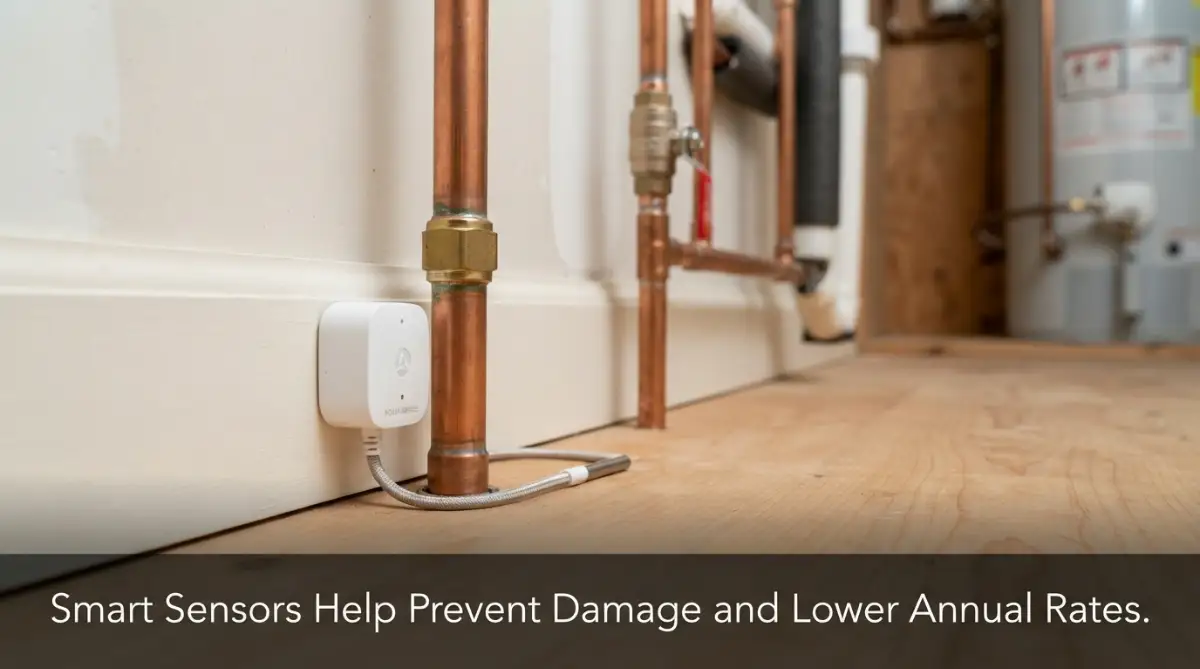
- Install smart security and leak detection tech to qualify for immediate up to fifteen percent policy discounts.
- Gather organized photo and receipt proof of your home improvements before calling your insurance agent.
How Smart Risk Assessment Can Save You Money on Your Premium
Insurance companies do not just guess your premium rates out of thin air. They use complex formulas to measure how likely you are to file a claim. If your home looks like a high-risk property, you will pay a much higher price.
By doing your own home risk assessment, you can find the exact spots that make insurers nervous. Once you fix these weak spots, you can show proof to your insurer and request a lower rate. This is a completely legal, proactive way to keep your hard-earned money in your pocket.
The Roof: Your Home's First Line of Defense
Your roof is the most important part of your house when it comes to preventing expensive water damage. Insurers look closely at the age and material of your roof to decide your premium. An old or damaged roof is a major red flag that can double your insurance costs.
If your roof is over fifteen years old, it might be time to have a professional inspect it. Replacing worn-out shingles or upgrading to impact-resistant materials can lead to massive discounts. Many insurance providers offer specific wind-mitigation credits for homes with sturdy roofs.
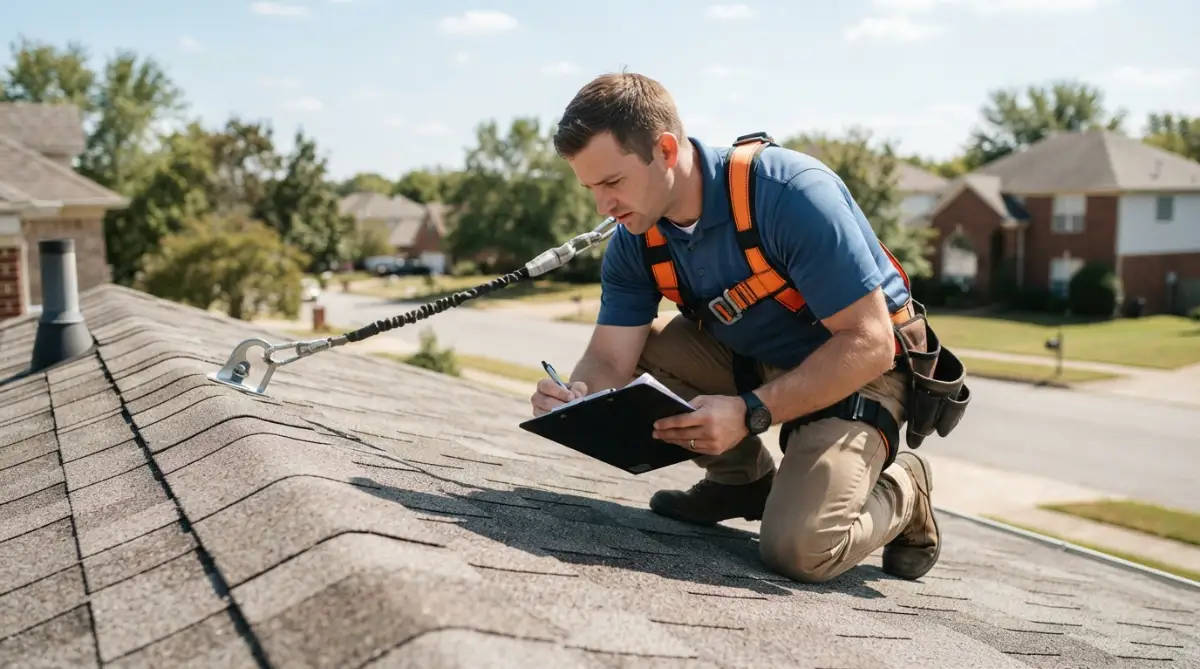
Make sure to save all receipts and inspection reports from your roofing contractor. You will need to send these documents to your insurance company to prove your home is now safer. This simple update can keep your home dry and your bank account full.
Upgrading Your Plumbing and Electrical Systems
Old copper or galvanized pipes can leak slowly behind your walls and cause hidden mold issues. Insurance companies hate water damage claims because they are incredibly expensive to clean up and repair. Upgrading your plumbing to modern materials like PEX can greatly reduce your risk profile.
For instance, my neighbor had an old galvanized pipe burst behind his bathroom wall while he was away at work. Because he hadn't updated his plumbing, the resulting water damage claims caused his annual insurance premium to skyrocket the following year.
Similarly, outdated electrical panels and wiring are major causes of devastating home fires. If your home still has knob-and-tube wiring or old fuse boxes, insurers may charge you a high risk fee. Replacing these systems with modern breaker panels shows that you care about safety.
These upgrades might seem costly upfront, but they protect your family and save you money for years to come. Plus, they make your home much more attractive to future buyers if you ever decide to sell. Always hire a licensed professional to do this work so you have official certificates to share.
The Power of Smart Home Security Tech
Modern technology makes it incredibly easy to keep an eye on your home from anywhere. Installing a smart security system with active monitoring is one of the quickest ways to earn a discount. Insurers love these systems because they help prevent break-ins and catch emergencies early.
You should look for security systems that include smart water leak sensors and smoke detectors. A small leak can be stopped automatically if you install a smart water shut-off valve. This clever device can turn off your main water line the moment it detects an unusual flow.
Pro Tip: I once made the mistake of ignoring a tiny leak under my kitchen sink for months. When I finally called a plumber, I realized that small, unnoticed issues can turn into massive insurance claims that hike up your rates. Now, I do a quick walk-through of my home every month to catch these small threats early.
Many top insurance brands offer discounts of up to fifteen percent just for having these smart systems active. It gives you peace of mind while keeping your annual bills down.
If you want to see exactly how these smart home devices can save you money on your next bill, check out this quick guide.
Managing the Surrounding Property Layout
The outdoor area surrounding your house plays a huge role in your overall risk rating. Large, rotting tree branches hanging over your roof are a major hazard during heavy storms. Trimming these branches back can prevent thousands of dollars in sudden structural damage.
If you live in an area prone to wildfires, keeping a clean perimeter is absolutely essential. Clear away dry brush, tall grass, and dead leaves from the immediate borders of your house. Creating this safe zone makes your home much easier to defend in an emergency.
Insurers also look at other outdoor structures, like old sheds or damaged fences. Keeping these structures in good repair shows that you are a responsible homeowner who takes care of their property. A well-maintained yard tells the insurance company that you are a low-risk client.
Evaluating and Adjusting Your Deductibles Wisely
Your deductible is the amount of money you agree to pay out of pocket before your insurance coverage starts. If you have a very low deductible, your monthly or annual premium will be much higher. Choosing a higher deductible is a very quick and legal way to drop your premium rates.
For example, raising your deductible from five hundred dollars to one thousand dollars can save you a lot of money. If you can afford to raise it to twenty-five hundred dollars, your savings will be even larger. However, you must make sure you have this cash saved in an emergency fund just in case.
Do not raise your deductible to a level that would cause financial ruin if an accident occurs. It is all about finding a comfortable balance that works for your personal budget. Talk to your agent to see how different deductible levels will change your annual bill.
Reviewing Your Coverage Limits to Avoid Over-Insuring
Many people confuse the market value of their home with its actual rebuilding cost. The market value includes the price of the land, which does not burn down or blow away in a storm. You only need enough insurance to cover the actual cost of rebuilding the physical structure.
If you are insuring your home for its full market value, you might be paying way too much. Ask a local builder or use an online calculator to estimate the current cost of construction in your area. Adjusting your coverage limits to match this rebuilding cost can lower your premium instantly.
You should also check if your policy includes coverage for items you no longer own. Keeping an updated home inventory is a great way to ensure you only pay for what you actually need to protect. This keeps your policy lean, accurate, and highly cost-effective.
Common Myths vs. Realities of Home Insurance Risks
There are many misconceptions about what actually drives up home insurance costs. Let us look at a quick comparison to help you understand what matters most to your provider. This table breaks down some of the most common myths and the actual facts behind them.
As you can see, understanding the truth behind these myths can save you from making costly mistakes. Being proactive is the single best tool you have to keep your rates low. Never assume your insurance company is keeping track of your home updates automatically.
How to Create a Clean Risk Profile for Your Agent
Once you have completed your home risk assessment and made necessary updates, you need to present this to your agent. Put together a clean folder with before-and-after photos of your home improvements. Include copies of professional invoices, permits, and receipts for all materials used.
Call your insurance agent and ask for a complete review of your policy based on these new safety features. Many agents are happy to help you find hidden discounts that you might have missed. This simple conversation can lead to immediate adjustments to your annual premium.
Remember to repeat this risk assessment process at least once every single year. Regular maintenance is the key to preventing major damage and keeping your insurance costs manageable. Taking control of your home's safety is the best way to protect your family and your wallet.
Your Next Steps to Secure Lower Premium Rates
Lowering your homeowners insurance does not have to be a complicated or stressful task. By looking at your home through the eyes of an insurance inspector, you can easily find ways to reduce risk. Small steps like clearing your yard or installing smart sensors can lead to big savings.
Take some time this weekend to walk around your property and make a simple checklist of things to improve. Focus on the easy updates first, then work your way up to larger projects over time. Your budget will thank you, and you will enjoy a safer, more secure home.
Pro-Level Risk Mitigation Strategies to Lock in Long-Term Insurance Discounts
To keep your homeowners premiums as low as possible over time, you need to think like an insurance underwriter. Underwriters love data, structural durability, and proof of safety. Taking basic steps is helpful, but applying advanced techniques will make your home stand out as a highly secure, low-risk property.
Unlocking the Power of Wind Mitigation Inspections
In many coastal and storm-prone areas, a wind mitigation inspection is the single most effective tool to lower your costs. This professional inspection proves your home can withstand high winds, heavy rain, and severe storms.
An inspector will check your roof-to-wall connections, the shape of your roof, and the type of nails used to hold it down. According to safety guidelines by the Insurance Institute for Business & Home Safety, having hurricane straps and impact-rated doors can drastically cut wind damage.
Once you pass this inspection, your insurer is often legally required to give you a substantial discount on your premium. This is a highly effective way to save hundreds of dollars each year without lowering your coverage levels.
Ensuring Stable Connections for Your Smart Home Risk Detectors
Modern security devices are only helpful if they stay online and communicate with emergency monitoring centers. If your smart home gadgets frequently lose their connection, they cannot alert you or your insurer during a crisis.
If you have older smart devices, you might need to troubleshoot your internet network to keep them running smoothly. Knowing how to fix older smart home devices dropping Wi-Fi is essential to keep your premium discounts active and verified.
A stable, secure network ensures your home remains protected day and night. Let your agent know that your smart systems are active and stable for maximum safety discounts.
Evaluating Surrounding Fire and Environmental Hazard Ratings
Insurance providers use specialized geographic maps to determine your home's wildfire and flood risk scores. You can check your local community hazard status on the official Federal Emergency Management Agency portal to see where you stand.
If you find that your home is on the edge of a high-risk flood zone, you can take steps to improve drainage around your foundation. Clearing dead brush within a thirty-foot radius of your house also lowers your wildfire vulnerability score.
Sharing documented photos of these cleared zones with your agent can encourage them to re-evaluate your home’s risk classification. It shows that you are actively protecting your property rather than waiting for an emergency to strike.
How Renewable Energy Upgrades Affect Your Property Risk Profile
Many homeowners are installing green technology to save on energy costs and protect the environment. However, adding systems like solar panels can change how insurers calculate your overall rebuilding cost.
If your solar installation is placed poorly or suffers from structural wear, it might increase your property’s hazard rating. Learning why your solar panels underperform can help you avoid installation and maintenance errors that affect your insurance.
Keep your solar installation certified, secure, and clean so that it remains a safe asset instead of an unmanaged risk. Properly documenting these energy upgrades ensures your insurer views them as modern, safe improvements.

Critical Traps That Can Ruin Your Risk Mitigation Savings
It breaks my heart to see families spend weeks upgrading their homes, only to make a tiny mistake that voids their entire insurance policy. The biggest trap is failing to notify your insurance company about major renovations. If you add a beautiful new room or upgrade your kitchen and fail to tell your insurer, you might find yourself underinsured. If a disaster strikes, you will have to pay for those modern upgrades entirely out of your own pocket.
Another emotional pitfall is picking an incredibly high deductible just to get the lowest premium rate on paper. When a real emergency happens, many families realize they do not have the cash on hand to cover their share of the loss. If you want to understand how these payments work, take a look at our easy guide on copays, coinsurance, and deductibles before making any final choices.
Some homeowners also think they can save money by completely canceling their policies during home renovations. This is a massive mistake because even temporary gaps in coverage make you look highly risky to future insurers. In fact, keeping continuous coverage is just as important as knowing how to avoid commercial property insurance gaps if you run a small home business.
Lastly, never try to exaggerate the quality of your home upgrades on your risk assessment forms. Insurance adjusters always inspect properties carefully when a claim is filed. If they find out that you lied about having a smart security system or a brand-new roof, they can deny your claim entirely. This leaves you with a ruined home, no payout, and a black mark on your insurance history that makes future coverage almost impossible to get.
Your Personal Action Plan for Greener Financial Horizons
We have explored how simple home risk assessments can lead to incredible, legal premium savings. From roof reinforcements to smart water sensors, every step you take actively reduces your risk profile. Your home is your largest asset, and keeping it safe is the ultimate way to protect your hard-earned money.
Managing your home risks is just one part of protecting your family’s financial future. You might also want to look into other protective plans, such as learning how much disability insurance do you need to safeguard your monthly income.
Just like understanding your home policy rules, knowing the finer details of other coverage types is highly important. For instance, reading about term life insurance policy exclusions can prevent massive surprises down the road when your family needs protection most.
To get started on your home insurance savings journey today, follow this simple checklist:
- Schedule a wind mitigation inspection to prove your home's structural durability.
- Audit your home's pipes, wiring, and roofing for minor issues that can be fixed quickly.
- Install smart sensors and ensure they stay connected to your home network.
- Document every single upgrade with clear photos and professional receipts.
- Contact your agent to request a policy review and apply for newly earned discounts.
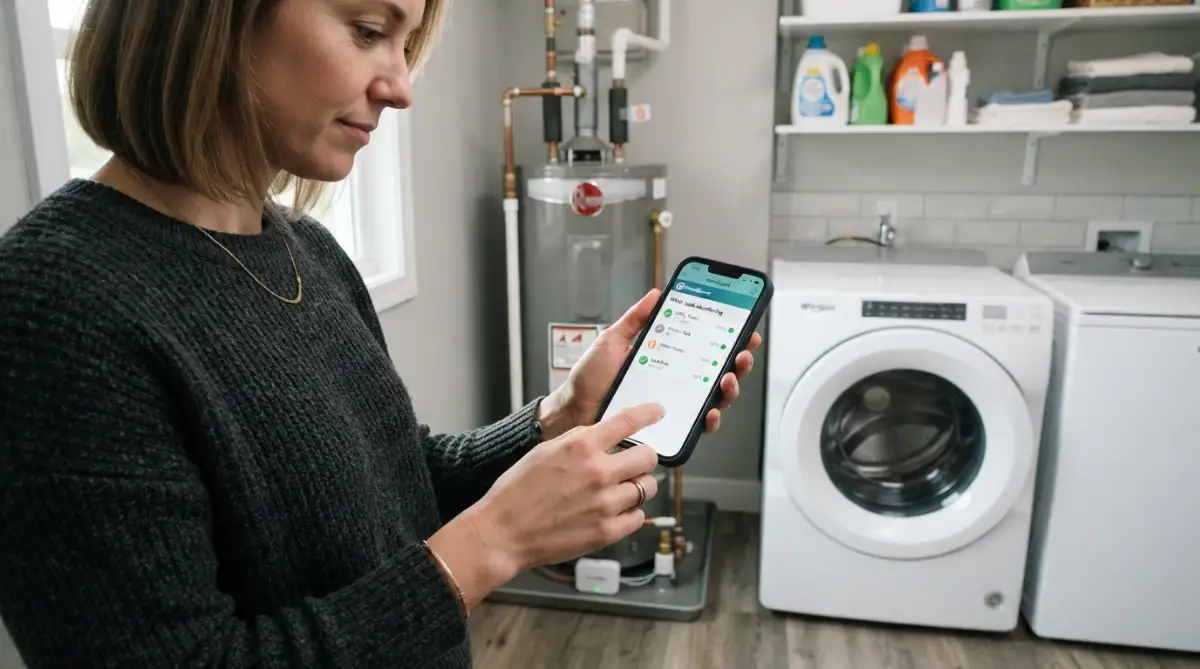
I know how overwhelming it can feel to manage all the small details of home safety and premium rates. But I promise you that taking just one small action today, like checking your plumbing or testing a smoke detector, will start saving you money. My own home became much safer and cheaper to protect once I stopped ignoring these simple checks, and yours can too.
Frequently Asked Questions About Reducing Home Insurance Premiums
Will a risk assessment automatically lower my home insurance rate?
No, a risk assessment does not automatically trigger a discount on your policy. You must share your findings, professional invoices, and receipts directly with your agent to apply for the savings.
- Q: Can I use photos taken with my phone as proof for my home insurance updates?
- A: Yes, clear and dated digital photos combined with professional purchase receipts work great for backing up your discount requests with your agent.
How often should I review my home's safety systems for insurance purposes?
It is smart to check your home's main systems at least once a year. Doing this allows you to spot tiny issues before they become massive hazards that raise your rates.
Can installing smart home tech reduce my premium if I live in a high-risk area?
Yes, smart technology is highly valued by insurers in high-risk regions. Devices like automatic water shut-off valves and monitored smoke alarms can help offset high local rates.
Is it legal to change my coverage limits to lower my bill?
Yes, adjusting your coverage limits to match the actual rebuilding cost of your house is completely legal and safe. Just make sure you do not lower your limits below the cost of construction in your local area.
What should I do if my insurance company refuses to give me a discount for my updates?
If your current insurer will not reward your mitigation efforts, you should shop around for other options. You can easily consult your state regulatory rules through the National Association of Insurance Commissioners to find fair providers.
Disclaimer
This article is for informational and educational purposes only and does not constitute formal legal, financial, or professional insurance advice. Insurance policies, discount programs, and state regulations vary widely based on your location and provider. Always consult with a licensed insurance agent or a certified financial planner before making any changes to your coverage levels, deductibles, or policy terms.


