My Personal Wake-Up Call with a Ten Dollar Policy
Staring at a ten-dollar monthly life insurance bill felt like hitting the jackpot until I actually read what was hidden on page forty. Most of us just want to check a box and sleep better, but picking the absolute cheapest option is usually a gamble with your family's safety. Let’s look past the marketing hype and figure out how to spot a real safety net before it's too late.
At that time, I was just looking for the lowest number possible. I wanted to check a box and say, "Yes, I am covered." I didn't want to think about the details or the long-term reality.
A few months later, a close friend of mine went through a nightmare with a similar "budget" plan. His family struggled to get the payout they were promised because of a tiny clause buried on page forty. That was the moment I realized my cheap plan might be a total waste of money.
It hit me hard that I was gambling with my family's future just to save a few dollars a month. I started digging into how these companies actually work. What I found was both eye-opening and a bit scary.
Now, I want to share that journey with you so you don't make the same mistakes I did. Let's look at what really happens when you choose the cheapest option on the list.
Quick Key Takeaways
-
Never buy blind: Always check if your cheap policy covers natural causes or only accidental deaths.
-
Know your number: Calculate your total debts and income replacement needs before shopping.
-
Term is king: Opt for pure Term Life Insurance rather than expensive, gimmicky whole-life products.
The Mental Burden of a "Bargain" Security Net
Most of us buy insurance because we want to stop worrying. We want to sleep better knowing our loved ones are safe if the worst happens. But when you buy a policy based only on the low price, that worry never truly goes away.
You might find yourself wondering if the company will actually pay out when the time comes. You start doubting the fine print every time you see a news story about insurance claims being denied. This constant "what if" takes away the very peace of mind you paid for.
It is heartbreaking to see families realize too late that their "affordable" plan has more holes than a kitchen sieve. They spend years paying premiums, thinking they are safe, only to find out they aren't covered for specific situations. This emotional stress is a heavy price to pay for a cheap monthly bill.
Why Do Some Life Insurance Plans Cost So Little?
When you see a price that looks too good to be true, it usually is. Insurance companies are businesses, and they aren't in the habit of giving away money for free. They lower the price by reducing the "risk" they take on.
My coworker bought an ultra-cheap accidental-only plan to save $15 a month. When he passed away from a sudden medical illness last year, his grieving wife received a payout of exactly zero dollars. Saving a few bucks upfront cost his family over $250,000 when they needed it most.
Often, cheap insurance means the coverage is very limited. It might only cover accidental death, which is much less common than death from natural causes or illness. If you don't die in a specific way, the policy pays nothing.
Another way they keep costs down is by having very strict medical requirements or hidden exclusions. They might offer a low rate today, but that rate could jump significantly after a few years. These "teaser rates" are designed to get you in the door.
Sometimes, the company itself might not be financially stable. A company with a lower rating can offer lower prices because they aren't as "safe" as the big names. You are essentially taking a risk on the company's ability to exist twenty years from now.
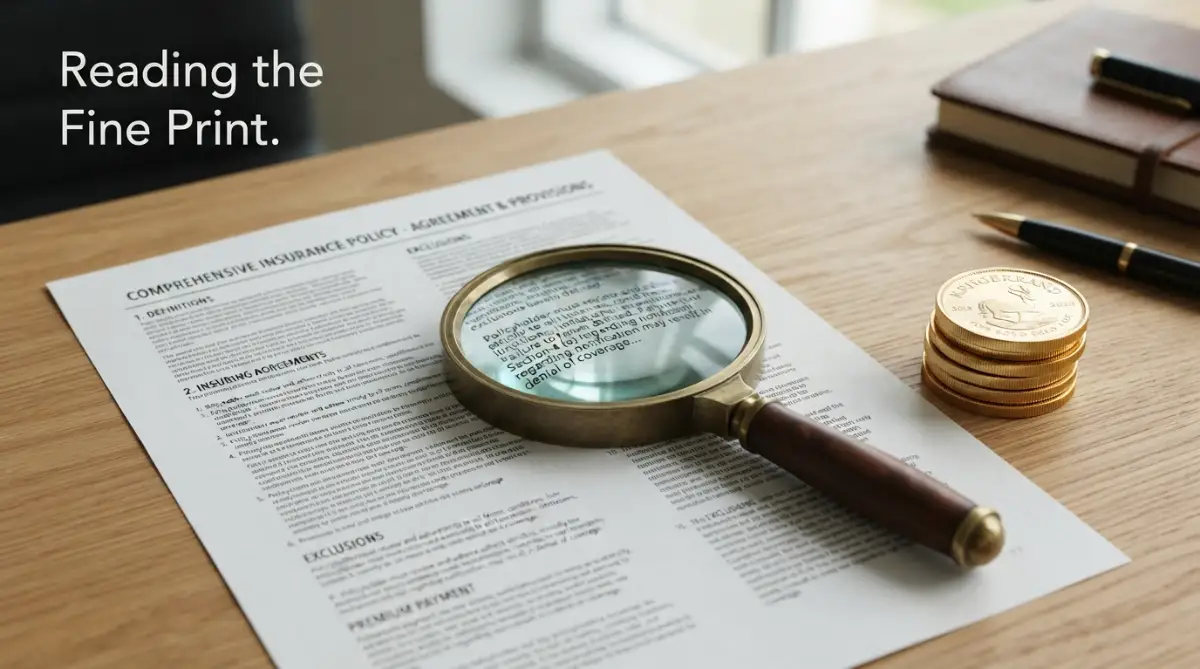
The Real Cost of Cutting Corners on Coverage
Saving five or ten dollars a month feels good right now. But if that savings means your family loses out on a hundred thousand dollars later, it is a terrible trade. The "real cost" isn't the premium; it's the potential loss of the benefit.
Cheap plans often lack "riders" or extra features that make a policy flexible. For example, some good policies allow you to stop paying premiums if you become disabled. Cheap plans almost never include these safety nets.
You also have to think about the inflation of your needs. A tiny policy might cover a funeral, but it won't pay off a mortgage or put a child through college. Going "cheap" usually means going "small," and small might not be enough.
How to Tell if a Policy is a Hidden Gem or a Total Rip-Off
Not every low-cost policy is bad, but you have to know how to spot the red flags. You need to look past the monthly premium and look at the "Value per Dollar." A policy that costs twenty dollars might be a much better deal than one that costs ten.
Check the "Incontestability Clause" and the "Grace Period" details. These are the rules that protect you from the company canceling your plan for small mistakes. Cheap plans often have very unforgiving rules that favor the company over the customer.
-
Cheap Budget Plan ($10/mo): Payout Type is often Accidental Only; Medical Exams usually require none (Guaranteed Issue); Price Hike Risk jumps sharply after a few years.
-
Standard Quality Plan ($35/mo): Payout Type covers Natural, Illness & Accidental; Medical Exams involve standard medical review; Price Hike Risk is locked in for 20-30 years.
Look at the history of the company's premium increases. If they have a habit of raising prices on existing customers, your "cheap" plan won't stay cheap for long. You want a company that is transparent about future costs.
Ask yourself if the company's customer service is reachable. If it takes three days to get an answer to a simple question, imagine how hard it will be for your family to file a claim. A low price often comes with zero support when things get tough.
A Better Way to Think About Your Insurance Budget
Instead of asking "What is the cheapest plan?", try asking "What is the most coverage I can get for my budget?" This shift in thinking changes everything. It forces you to look at the quality of the product rather than just the price tag.
You can often find great deals by choosing "Term" insurance instead of "Whole Life." Term insurance is naturally cheaper because it only lasts for a set number of years. It provides huge payouts for a very low monthly cost without the fluff.
Another way to save money safely is to improve your health. Simple things like quitting smoking or losing a few pounds can lower your premiums more than any "discount" plan ever could. You are essentially "earning" a lower price through your lifestyle.
I once spent weeks hunting for a "secret" discount on a specific policy. I eventually realized that the best "discount" was simply buying the policy while I was young and healthy. My mistake was waiting too long and expecting the prices to stay low forever.
Why You Should Watch Out for "No Medical Exam" Offers
Understanding the real value of an insurance claim can change your entire financial outlook.
Most people don't realize how much the claims process varies between budget and premium providers. Watching a breakdown of how these companies handle payouts can save you from a massive headache later.
The video above explains why the cheapest option isn't always the smartest move for your long-term goals. It helps you see the "unseen" parts of an insurance contract that most people skip over.
Step 1: Define Your "Must-Have" Coverage Numbers
Before you look at prices, you need to know your number. This isn't a guess; it's a calculation of your debts, your income replacement needs, and future costs. If a cheap policy doesn't hit this number, it is useless to you.

Think about your mortgage, car loans, and any credit card debt. Then, add in the cost of your children’s education if that applies to you. Finally, think about how much money your spouse would need every month to survive without your paycheck.
When you have a clear total, you can shop with confidence. You won't be tempted by a "cheap" policy that only covers half of your needs. A policy that doesn't solve your problem is expensive at any price.
I found that once I knew my number, I stopped looking at the "bottom-tier" plans. I realized they were never meant for someone with my level of responsibility. It made my decision-making process much faster and less stressful.
Step 2: Vet the Insurance Company’s Financial Health
A promise is only as good as the person making it. In the insurance world, you need to check the "AM Best" or "S&P" ratings of the company. These ratings tell you if the company has the cash to pay claims.
Avoid companies with ratings below an "A-." While they might offer lower rates, they are statistically more likely to struggle during a financial downturn. You want a rock-solid giant that isn't going anywhere.
You can find these ratings for free online with a quick search. It only takes five minutes, but it could save your family's future. It is one of the most effective ways to filter out "bad" cheap insurance.
Many small, aggressive startups offer low prices to grab market share. While some are fine, others don't have the long-term track record of the established players. Be careful about putting your life's safety net in the hands of an unproven company.
Step 3: Compare "Term" Lengths to Save Money Properly
If you need a low price, "Term Life Insurance" is your best friend. But don't just pick a random term like ten or twenty years. Match the term to your biggest financial obligations.
If you have a twenty-year mortgage, get a twenty-year term. If your kids will be independent in fifteen years, a fifteen-year term might be enough. This "laddering" approach keeps your costs low without sacrificing protection.
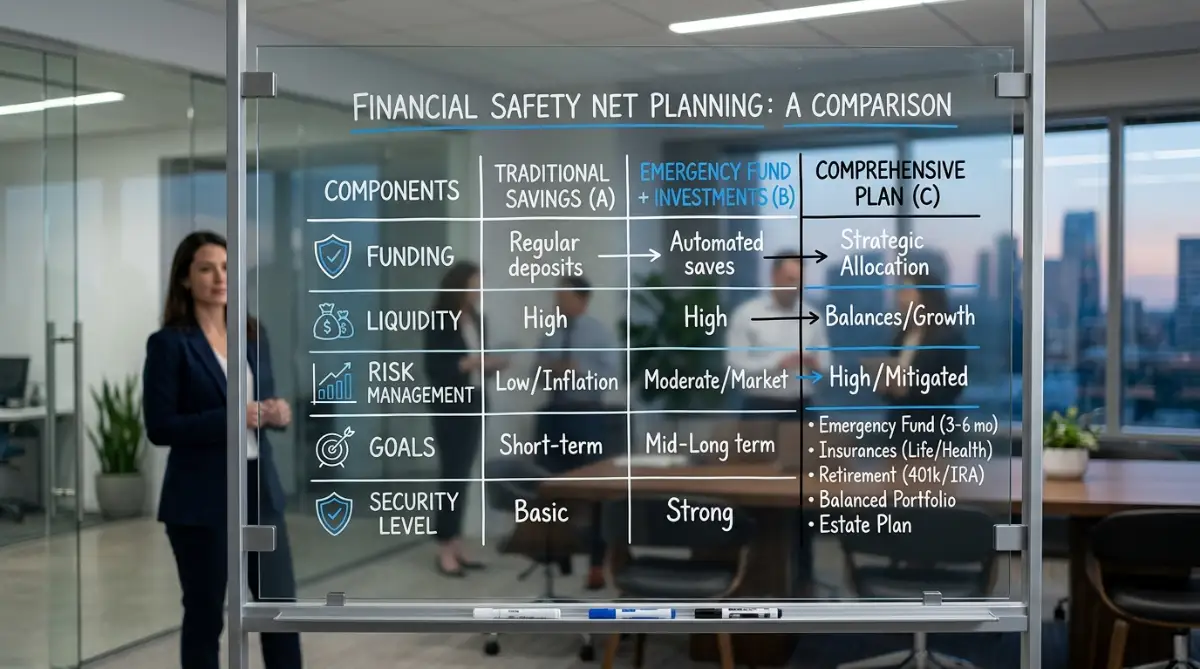
The beauty of term insurance is its simplicity. You aren't paying for an "investment" component or a "cash value" that you might never use. You are paying for pure protection, which is why it is so affordable.
I used to think I needed a "Permanent" policy because it sounds better. But once I did the math, I saw that a good Term policy gave me five times the coverage for half the price. It was the smartest "cheap" move I ever made.
Step 4: Search for "Riders" That Actually Matter
A "rider" is an add-on to your policy. Some are expensive and useless, but others are worth every penny. For example, an "Accelerated Death Benefit" rider is often included for free or a very low cost.
This rider allows you to access part of the money if you are diagnosed with a terminal illness. It can help pay for medical bills when you need it most. Cheap policies often strip these out to lower the base price.
Another good one is the "Waiver of Premium" rider. If you get sick and can't work, the insurance company pays your premiums for you. It keeps your coverage active when you are at your most vulnerable.
Don't assume a cheap policy has these features. Always ask for a list of included riders before you sign anything. Sometimes, adding a two-dollar rider to a basic policy makes it better than a high-end plan.
Step 5: Don't Be Fooled by "Guaranteed Issue" Plans
You have probably seen ads for insurance that requires "no medical exam" and "guarantees" coverage. While these sound great, they are often the most expensive way to buy insurance. They are "cheap" in terms of hassle, but not in terms of value.
These plans usually have a "graded death benefit." This means if you die within the first two or three years, your family only gets the premiums back, not the full payout. This is a huge detail that many people miss.
Because the company doesn't check your health, they assume the worst. They charge everyone a higher rate to cover the risk. If you are even moderately healthy, a standard policy with a medical exam will be much cheaper.
I almost fell for one of these because I hate needles and doctors. But when I compared the prices, the "guaranteed" plan was triple the cost for the same coverage. I took the thirty-minute exam and saved thousands over the life of the policy.
Why "Group Life" Through Work Isn't Enough
Many people think their "free" or "cheap" insurance through their employer is all they need. While it is a great perk, it has a major flaw. If you lose your job or change careers, you usually lose the insurance too.
Buying your own policy outside of work gives you total control. It stays with you no matter where you work. It is the only way to ensure your family's safety isn't tied to your current boss.
Also, work policies are usually very small—often just one or two times your salary. For most families, this isn't nearly enough to cover long-term needs. Use the work policy as a bonus, not as your main plan.
I have seen people realize they are uninsured the week after getting laid off. It is a terrifying position to be in, especially if your health has changed since you started that job. Having your own independent policy is a non-negotiable part of a solid plan.
The Final Verdict on Low-Cost Insurance
Is cheap life insurance worth your money? The answer depends on why it is cheap. If it is cheap because it is a simple Term policy from a great company, then yes, it is a fantastic deal.
However, if it is cheap because the coverage is full of holes, the company is weak, or the benefits are restricted, it is a waste of money. You are better off paying a little more for a policy you can actually trust.
Focus on the "Sleep Well at Night" factor. If your policy makes you feel nervous, it isn't the right one. Shop for value, check the company's reputation, and always read the fine print.
Your family's future is worth more than the price of a couple of pizzas. Take the time to do it right, even if it costs a few extra dollars a month. In the end, the peace of mind is what you are really buying.
Smart Ways to Stretch Your Insurance Dollars Without Losing Coverage
Buying a policy is just the start of your journey toward financial safety. Many people think they can just set it and forget it. But if you want to keep your costs low and your protection high, you need a more active plan.
One of the best secrets in the industry is called the "Laddering Strategy." Instead of buying one massive, expensive policy for thirty years, you buy two smaller ones with different lengths. This way, you have extra coverage while your kids are young and your mortgage is high.
As you get older and your debts go down, one of the policies ends. This naturally lowers your monthly bill exactly when you need more cash for retirement. It is a brilliant way to have the right amount of help at every stage of your life.
Another tip is to always check if your policy has a "Conversion Privilege." This allows you to turn your cheap term policy into a permanent one later on. You won't even have to take a new medical exam, which is huge if your health changes.
I always suggest reviewing your coverage every time you have a major life event. Did you get a big raise or start a new business? Maybe you just paid off a major loan and don't need as much coverage anymore.
Staying on top of these details ensures you are never paying for more than you need. It also keeps you from being under-insured if your lifestyle gets more expensive. You are the boss of your policy, so make sure it works for your current life.
The Power of a Healthy Lifestyle on Your Monthly Bill
Most people don't realize that they can actually "negotiate" their rates by changing their habits. If you bought your policy while you were a smoker but have since quit, you shouldn't keep paying the higher price. After a year or two of being smoke-free, you can ask for a "re-rating."
The insurance company might ask for a new blood test, but the savings can be massive. The same goes for significant weight loss or managing your blood pressure better. These small health wins put real money back in your pocket every single month.
Think of your insurance policy as a mirror of your health. When you take care of yourself, the insurance company sees you as a lower risk. This is the most honest way to get a "cheap" policy that is actually high-quality.
I once helped a friend who was paying double because of a health scare that turned out to be nothing. We worked with his doctor to get the right paperwork to the insurance company. Within a month, his premium dropped by forty percent without changing his coverage.
It pays to be proactive and share your health improvements with your provider. Don't just accept a high rate because of how you felt five years ago. You have the power to prove you are a safe bet for the company.
Understanding the Fine Print of Policy Renewals
Many cheap policies look great for the first ten years, but then the price sky-rockets. This is often hidden in the "Renewal" section of your contract. Some companies allow you to renew without a health check, but they charge a "guaranteed" maximum rate.
This rate is almost always much higher than what you would pay on the open market. It is there as a safety net, but it shouldn't be your main plan. Always mark your calendar for two years before your policy is set to end.
This gives you plenty of time to shop around while you are still covered. You never want to be in a position where your policy ends and you have no backup plan. That is when people get desperate and buy bad, expensive coverage.
Managing your personal budget properly means looking ahead at these potential price hikes. If you know a bill is going up in the future, you can plan for it today. This prevents "sticker shock" from ruining your financial goals.
You should also look into best credit unions for easy unsecured loans if you ever need temporary financial help. Sometimes life throws a curveball, and having a plan for your cash flow is just as important as having insurance.

The Dangerous Trap of Hiding Your Medical History
The biggest mistake you can make when looking for a deal is lying on your application. It might be tempting to skip over that one time you went to the hospital or a medication you take. You might think it will help you get a "cheaper" rate today.
But this is a ticking time bomb for your family. Insurance companies have a "Contestability Period" which usually lasts for two years. If you pass away during this time, they will dig through every medical record you ever had.
If they find a lie, they can legally refuse to pay the claim. Imagine your family dealing with your loss and then finding out the money they counted on is gone. All of that was because you wanted to save ten dollars a month on your premium.
Being honest is the only way to ensure your policy actually works when it is needed. Even if your health isn't perfect, there are companies that specialize in different conditions. It is better to have a slightly more expensive policy that is guaranteed to pay out.
I have seen the heartbreak of families who lost everything because of a small lie on a form. It is never worth the risk. Your honesty is the foundation of your family's future security.
Forgetting to Update Your Beneficiaries Can Be Costly
A policy is only useful if the money goes to the right people. Many people buy a plan and forget to update it after a divorce, a marriage, or a new baby. If your "ex" is still on the policy, the insurance company is legally bound to pay them.
This can lead to long legal battles that eat up the insurance money in lawyer fees. It is a mess that no grieving family should have to deal with. Make it a habit to check your beneficiary list every single year.
It only takes a few minutes to log into your account and verify the names. You can also name "contingent" beneficiaries. These are the people who get the money if your primary person passes away at the same time as you.
This level of detail is what separates a professional plan from a lucky guess. You want to make the process as easy as possible for your loved ones. They will already be going through the worst time of their lives; don't make it harder.
You can learn more about managing these types of life details in our honest car insurance review which covers similar administrative tips. Keeping your paperwork in order is a life skill that saves you thousands.
The Risk of Letting Your Policy Lapse for Even One Day
Life gets busy, and sometimes we forget to pay a bill. But letting your life insurance lapse is a massive mistake. Most companies have a "Grace Period" of thirty days, but once that is over, your coverage is gone.
If you want to get it back, you might have to go through the entire application process again. If your health has changed during that time, you might not qualify for the same low rate. You could end up paying much more for the exact same coverage.
Setting up "Auto-Pay" is the best way to prevent this disaster. It ensures that your family is always protected, even if you are on vacation or sick. It is a simple step that removes a huge amount of risk from your life.
I always suggest having at least one month of premium saved in a separate "emergency" account. This way, even if your main bank account hits zero, your insurance stays active. This small safety net can save your entire financial future.
If you are worried about income loss during a sickness, you should check how much disability insurance do you need. It works alongside your life insurance to keep your bills paid while you are alive but unable to work.
Avoiding Companies with a History of Bad Claims Handling
A low price doesn't matter if the company makes it impossible for your family to get the money. Some companies use "delay tactics" or ask for unnecessary paperwork to avoid paying. You can find out about these companies by looking at the National Association of Insurance Commissioners (NAIC) complaint index.
This index shows how many complaints a company gets compared to its size. You want a company with a low score. A company that treats its customers well is worth a few extra dollars every month.
Reading reviews from real people can also give you a hint about the company's culture. Do they have a user-friendly app? Is it easy to reach a human on the phone? These things don't seem important until you are in a crisis.
I always tell people to think about the person who will be filing the claim. If they aren't good with paperwork, they need a company with amazing customer support. Don't leave your grieving spouse to fight with a faceless corporation.
Choosing a company with a strong moral compass is just as important as choosing one with a strong balance sheet. You are entering a long-term partnership with this business. Make sure it is someone you actually trust.
Why You Should Never Buy Based on a "Sales Pitch" Alone
Insurance agents are often paid on commission. This means some might try to sell you a "Whole Life" policy when you only need "Term." They might use scary stories to make you feel like you need more than you do.
Always do your own research before talking to a salesperson. Know your numbers and know what kind of policy you want. If an agent tries to push you toward something that feels too complex or expensive, walk away.
A good agent will listen to your needs and help you find the most efficient way to meet them. They won't try to "upsell" you on features that don't fit your life. Your gut feeling is a powerful tool—use it.
I remember an agent trying to tell me that my insurance was also a "savings account." I realized I was better off buying cheap insurance and putting the rest of my money into a real investment. It was the best decision I ever made for my long-term wealth.
You can find great advice on managing your own financial path at TrustPicksHQ. Taking control of your own knowledge is the best way to avoid being taken advantage of by high-pressure sales tactics.
Your Roadmap to Lasting Financial Security
Taking care of your family doesn't have to be a complicated or expensive task. It starts with one simple decision to look past the "cheap" labels and find real value. By following these steps, you are building a wall of protection around the people you love.
Remember to stay honest on your forms, keep your health in check, and review your plan every year. These small habits turn a piece of paper into a powerful shield for your future. You have the tools to make a smart, informed choice right now.
Don't let the fear of "high costs" stop you from getting any coverage at all. There is a perfect balance between price and protection out there for everyone. Your job is to find it and lock it in today.
I truly believe that having the right insurance is one of the kindest things you can do for your family. It shows that you care about their comfort even when you aren't there to provide it. Take that first step today, and you will feel a weight lift off your shoulders.
I know how scary it can be to think about the "what ifs" in life. But once I sat down and got my own policy in order, that fear turned into a deep sense of pride. You can have that same feeling of peace starting right now.
Common Questions About Affordable Life Insurance
Can I change my coverage amount later if I can't afford it?
Yes, most companies allow you to decrease your coverage to lower your premium. However, increasing it usually requires a new medical exam and a higher rate. It is always easier to start with what you need and adjust down later if life changes.
Does my "cheap" policy cover death from any cause?
Most standard life insurance policies cover death from illness, accidents, and old age. However, some very cheap plans are "Accidental Death Only." These are much less valuable because they won't pay out if you die from a heart attack or cancer.
Will my rates go up as I get older?
If you have a "Level Term" policy, your rates stay exactly the same for the entire length of the term. If you have an "Annual Renewable" policy, your rates will increase every single year. Always check which one you are buying to avoid surprises.
Is it better to buy insurance online or through an agent?
Buying online is often faster and can be cheaper because there are no agent fees. However, a good agent can help you navigate complex health issues. If you are healthy and want a simple plan, online is a great way to go.
What happens if I move to a different state?
Your life insurance policy is a legal contract that stays with you no matter where you move in the country. You just need to update your address with the company so they can send you notices. Your rates and coverage will remain exactly the same.
Disclaimer:
This article is for informational purposes only and does not constitute professional financial or legal advice. Insurance laws and policy details can vary significantly by region and provider. Always consult with a licensed insurance professional or financial advisor before making any major decisions regarding your life insurance coverage


