
The Heavy Cost of a Broken Dream: When Your Home Purchase Collapses
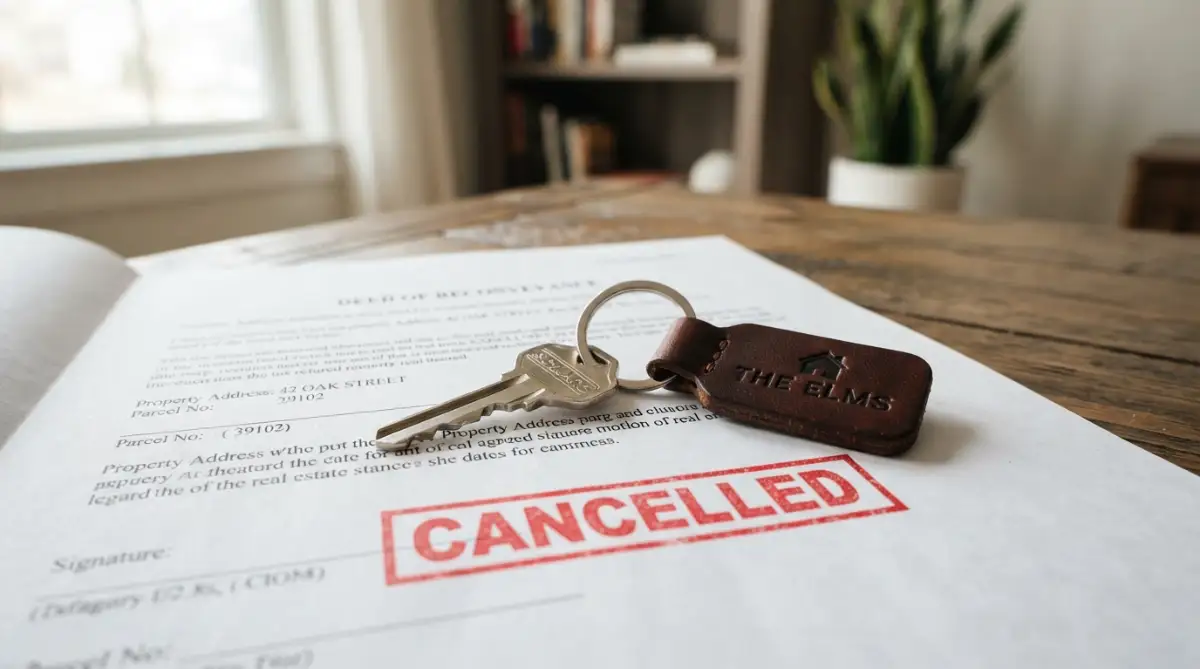
You spent months scrolling through online listings. You visited dozens of open houses, filled out endless paperwork, and finally found the perfect home.
You made an offer, signed the contract, and eagerly handed over thousands of dollars as an earnest money deposit. This money was your promise to the seller that you were serious about the purchase.
Then, the unexpected happens. Maybe your loan application gets rejected at the very last minute.
Or perhaps the home inspection reveals a cracked foundation that will cost a fortune to repair. Suddenly, the entire real estate transaction falls apart, and your dream of owning that home evaporates.
In an instant, your excitement turns into cold panic. You are not just grieving the loss of the house.
You are also left staring at an empty space in your bank account, wondering if you will ever see your hard-earned deposit again. The fear of losing thousands of dollars can keep you awake at night, feeling helpless and stressed.
This is a painful reality that many home buyers face when a deal goes sideways. The rules surrounding escrow funds can feel incredibly confusing, especially when emotions are running high.
Let's look at exactly what happens to your deposit when a real estate deal breaks down. We will show you how to protect your money and what steps you can take to get your cash back.
What Exactly is Earnest Money and Where Does It Stay?
Before we look at what happens when a deal fails, we must understand the purpose of this deposit. Earnest money is often called a "good faith deposit."
When you sign a purchase agreement, you usually write a check for 1% to 3% of the home's purchase price. This money shows the seller that you are acting in good faith and intend to buy the property.
In exchange, the seller takes the home off the active market. They stop showing it to other potential buyers, which means they are taking a financial risk for you.
Your earnest money does not go directly into the seller's pocket. If it did, it would be extremely difficult to get back if something went wrong.
Instead, the money is held by an independent third party in a special escrow account. This neutral party is usually a title company, an escrow agent, or a real estate brokerage.
The escrow holder keeps the funds safe until the transaction is completed or legally terminated. They cannot release the money to either you or the seller without written agreement from both sides.
The Power of Contingencies: Your Ultimate Safety Net
The fate of your earnest money depends almost entirely on the terms of your purchase contract. This is why contingency clauses are so important.
Contingencies are specific conditions that must be met for the transaction to go through. If a contingency is not met, the contract allows you to walk away from the deal with your deposit intact.
Let's explore the most common contingencies that protect your money.
1. The Home Inspection Escape Route
A home inspection is one of the most common reasons a real estate deal falls apart. You have the right to hire a professional to check the house from top to bottom.
If the inspector finds major problems, like a failing roof, termite damage, or bad wiring, you have several choices. You can ask the seller to fix the issues, request a price reduction, or simply cancel the contract.
If you choose to cancel within the inspection period, the contract protects you. You will get your full earnest money deposit back.
2. The Financing Safety Net
Most buyers need a mortgage to purchase a home. Even if you are pre-approved, the bank must give final approval before they lend you the money.
A financing contingency states that the purchase is dependent on you securing a mortgage loan. If your lender denies your loan application, this clause allows you to back out of the deal.
As long as you applied for the loan in good faith, your earnest money will be returned to you. This protects you from losing your deposit due to circumstances outside your control.
3. The Home Appraisal Guarantee
Banks will not lend you more money than a property is actually worth. Because of this, they will send an independent appraiser to evaluate the home.
If the appraised value comes back lower than the agreed purchase price, you face an appraisal gap. You must either pay the difference in cash or negotiate a lower price with the seller.
If the seller refuses to lower the price, and you cannot cover the gap, the appraisal contingency allows you to walk away. Your earnest money is returned safely to your bank account.
4. The Title Search Protection
Before you buy a home, a title company will check the public records to ensure the seller actually owns the property. They also look for any outstanding liens or claims against the home.
If the title search reveals a cloud on the title, such as unpaid property taxes or an old unpaid mortgage, the seller must clear it. If they cannot resolve the issue, you do not have to buy the home.
Under the title contingency, you can cancel the contract and receive your deposit back.
When the Seller Keeps Your Money: The Risks of Buyer Default
While contingencies protect you, they do not give you a blank check to walk away for any reason. If you breach the contract, you will likely lose your earnest money.
Sellers take their homes off the market for weeks or even months for a buyer. If you back out without a legal excuse, the seller has the right to keep your deposit as compensation for their lost time.
Here are the most common scenarios where you risk losing your cash.
Cold Feet and Buyer's Remorse
Buying a home is terrifying. It is completely normal to feel nervous after signing the contract.
However, simply changing your mind because you are scared is not a legal excuse to cancel the deal. If you walk away simply because you found a different house, you will default on the contract.
In this case, the seller will hold onto your earnest money deposit. They are legally entitled to this money to cover the cost of relisting the home.
Missing Critical Contract Deadlines
Every real estate contract is filled with strict deadlines. These dates are often bound by a clause called "time is of the essence."
You have a set number of days to complete your home inspection, apply for a loan, and secure appraisal reports. If you miss these deadlines without asking for an extension, you may lose your contingency protections.
For example, if your inspection period ends on a Tuesday, and you try to back out on Wednesday because of a bad roof, you are too late. The seller can claim you breached the contract and keep your deposit.
When the Seller Defaults: What Happens Next?
Sometimes, the buyer does everything right, but the seller decides to pull out of the transaction. A seller might get cold feet, or they might receive a higher offer from another buyer.
If the seller defaults on the contract, you are fully protected. You will receive your earnest money back immediately.
In addition, you may have legal options to hold the seller accountable.
- You can sue the seller for "specific performance," which is a court order forcing them to sell you the house.
- You can sue them for damages to cover the cost of home inspections, appraisals, and temporary housing.
Most sellers prefer to avoid costly legal battles, so they will quickly return your deposit if they decide to cancel the deal.
Myth vs. Reality: Clearing Up Escrow Misconceptions
There are many myths surrounding earnest money that can lead to costly mistakes. Let's separate the facts from the fiction.
- Myth: The buyer always gets their deposit back if they cancel the deal.
- Reality: You only get your deposit back if you cancel using a valid, written contingency in your contract.
- Myth: The real estate agent decides who gets the money.
- Reality: Agents have no control over the escrow funds. Only the buyer, the seller, or a judge can authorize the release of the money.
- Myth: Escrow companies will automatically return the money if the contract expires.
- Reality: Escrow companies cannot touch the money without a signed agreement from both parties, even if the contract has expired.
How to Resolve an Earnest Money Dispute
When a transaction collapses, both sides often believe they are entitled to the escrow deposit. If the buyer and seller cannot agree on who gets the money, the funds become tied up in a dispute.
Because the escrow holder is neutral, they cannot take sides. They will keep the money locked in the account until the dispute is resolved.
Here are the paths you can take to settle an earnest money deadlock.
1. The Mutual Release Agreement
The fastest and cheapest way to resolve a dispute is through a mutual release agreement. This is a simple document where both parties agree on how to split the money.
Sometimes, a compromise is the best option. For example, if you have a weak legal case but need your cash quickly, you might offer to split the deposit 50/50 with the seller.
Once both parties sign this agreement, the escrow holder will release the funds according to the terms.
2. Mediation and Arbitration
Many real estate contracts contain clauses requiring parties to go to mediation or arbitration before filing a lawsuit.
In mediation, a neutral third party helps you and the seller negotiate a compromise. The mediator does not make a final decision, but they help you find common ground.
In arbitration, a private arbitrator acts like a judge. They listen to both sides, review the evidence, and make a final, legally binding decision.
3. Taking the Case to Small Claims Court
If mediation fails, or if your contract does not require it, you can take the issue to small claims court. This is a simplified legal process designed to handle smaller financial disputes without expensive attorneys.
You will present your purchase contract, email communications, and other evidence to a judge. The judge will review the timeline of events and decide who followed the contract.
While small claims court is cheaper than a full lawsuit, it still takes time and energy. It is always best to try to settle the dispute out of court if possible.
Expert Strategies to Protect Your Deposit
You do not have to leave your deposit to chance. By taking a few smart steps before you sign a contract, you can safeguard your money from start to finish.
Work with an Experienced Real Estate Agent
A skilled real estate agent is your best defense against losing your earnest money. They understand local contract laws and will make sure all your contingency dates are clearly tracked.
They will also help you write a strong purchase offer with enough protective clauses to cover any unexpected issues.
Understand Every Page of Your Contract
Never sign a real estate contract without reading and understanding every line. Pay close attention to the paragraph detailing the earnest money deposit and contract defaults.
If any section is unclear, ask your agent or a real estate attorney to explain it to you in simple terms.
Keep Detailed, Written Records
In any legal dispute, documentation is king. Keep a record of every email, text message, and document related to your home purchase.
If you request an extension on a deadline, make sure you get it in writing and signed by the seller. Verbal agreements are incredibly difficult to prove in court.
The Bottom Line on Real Estate Deposits
A collapsed real estate transaction is a stressful experience, but it does not have to mean losing your earnest money. By understanding your contract, using smart contingencies, and keeping track of deadlines, you can protect your cash.
Before you write that deposit check, make sure you know exactly what is at stake. With the right preparation and professional guidance, you can navigate the home buying process with confidence and peace of mind.
Strategic Ways to Guard Your Deposit Like a Financial Expert
Securing your earnest money is not just about signing a standard contract and hoping for the best. Experienced real estate investors use specific contract structures to minimize their financial risk from day one.
One of the smartest ways to do this is by negotiating a tiered escrow deposit. Instead of paying the entire 3% deposit upfront, you can suggest a two-step deposit structure.
For example, you might pay a small initial deposit of $1,000 when the seller accepts your offer. The contract will state that you will pay the remaining balance only after the home inspection phase is fully cleared.
This approach keeps most of your cash safely in your own bank account during the riskiest part of the transaction. If you discover severe structural problems with the property, you only have a tiny amount of money tied up in the dispute process.
Another excellent strategy is to understand the exact mechanics of how escrow accounts function. Knowing what really happens during escrow can help you monitor the timeline of your transaction more effectively.
You should also look closely at the damages section of your purchase contract. Make sure your contract includes a liquidated damages clause.
This clause states that if you default on the contract, the seller's only legal remedy is to keep the earnest money deposit. Without this clause, a seller could theoretically sue you for additional monetary damages or try to force you to buy the home anyway.
You can also use appraisal protections to your advantage during the negotiation phase. If you are worried about the home's value, you can research how to get the highest home appraisal value to understand how banks view property worth.
It is always wise to choose a highly reputable, neutral title company to hold your funds. A licensed and bonded title firm will follow strict state-regulated escrow procedures.
According to the safety standards outlined by the Consumer Financial Protection Bureau, neutral third-party holding is the most secure way to manage buyer funds. This prevents the seller from gaining unauthorized access to your cash before the transaction is officially closed.
Make sure you communicate with your lender weekly to ensure your mortgage approval is on track. A sudden shift in your debt-to-income ratio can cause your loan to fall through at the last minute.
If your loan is delayed, ask your real estate agent to request a formal written extension from the seller immediately. Never assume the seller will give you extra time without a signed agreement.
Keeping a close eye on these small administrative details is the best way to keep your money safe. It turns a stressful transaction into a predictable, step-by-step process.

Expensive Missteps That Can Instantly Vaporize Your Escrow Cash
Many buyers lose their escrow deposits simply because they make avoidable mistakes during the emotional rush of buying a home. The biggest mistake you can make is relying on verbal agreements with the seller or their agent.
If the seller verbally agrees to give you five extra days to complete your home inspection, that promise means nothing in court. If it is not written down on an official contract amendment and signed by both parties, it does not exist.
Always get every single change, extension, and agreement in writing. This simple habit will protect your deposit if the seller decides to change their mind later.
Another massive mistake is waiving your home inspection contingency to make your offer look more attractive. While this might help you win a bidding war, it leaves your deposit completely unprotected if the house turns out to have major issues.
You must be aware of home inspection red flags before you agree to buy any property. Skipping the inspection means you are accepting the home exactly as it is, with all its hidden flaws.
If you find out later that the plumbing is ruined, you will have to choose between paying for the repairs or walking away and losing your deposit. That is a painful financial choice that no buyer should have to make.
Many buyers also make the mistake of overstretching their finances right at the start of the transaction. They assume they must put down a massive sum of money immediately to get the home.
However, exploring different down payment options can help you keep more cash reserves in your bank account. Keeping some cash back ensures you have a financial cushion if the transaction collapses.
You should also avoid making any major financial changes while your home loan is in underwriting. Do not buy a new car, open new credit cards, or quit your job before the closing documents are fully signed.
These actions can instantly ruin your credit score and cause your bank to deny your home loan. If your loan is denied because of your own financial actions, the seller may have a strong legal claim to keep your escrow money.
Finally, keep a close eye on your contract calendar. Missing a contract deadline by even a single hour can technically put you in default.
According to the official transaction guidelines from the National Association of Realtors, contract timelines are strictly enforced by escrow companies. If you do not submit your cancellation notice on time, your deposit will be at serious risk.
Set multiple reminders on your phone for every key deadline in your contract. This simple step will ensure you never miss an important date.
Your Secure Step-by-Step Blueprint for a Successful Closing
Buying a home is one of the most significant financial steps you will ever take in your lifetime. While the thought of losing your earnest money is scary, you have the tools and knowledge to keep your funds secure.
Think of your purchase contract as a roadmap designed to protect both you and the seller. As long as you follow the rules, respect the deadlines, and use the right contingencies, your deposit is incredibly safe.
Take a deep breath and approach the process with a methodical, organized mindset. Work closely with trusted professionals who have your best interests at heart.
Before you submit your next home offer, review this quick checklist to ensure your deposit is safe:
- Verify all contingency periods: Make sure you have enough days to complete your inspections and secure your mortgage.
- Confirm the escrow holder: Ensure your deposit is going to a licensed, neutral third party.
- Keep your finances steady: Do not apply for new credit or make large purchases during the transaction.
- Document everything: Put every agreement, extension, and request in writing.
By keeping these simple steps in mind, you can confidently move forward with your home purchase. You will protect your savings, reduce your stress, and keep your hard-earned money exactly where it belongs.
Real Estate Disclaimer
The information provided in this article is for educational and informational purposes only. It does not constitute formal legal, financial, or professional real estate advice. Real estate laws, contract terms, and escrow regulations vary significantly by state, county, and individual transaction. Always consult with a licensed real estate attorney, an authorized escrow officer, or a qualified real estate broker in your local area before signing any legally binding contracts or transferring escrow funds.