
The Silent Threat That Could Take Your Home Away
Imagine you finally found it. The perfect house. You saved for years, skipped vacations, and worked late nights to afford the down payment. You signed the papers, moved in your furniture, and started painting the walls your favorite color.
Everything feels perfect until a knock comes at the door. It isn't a neighbor with a pie. It is a process server handing you legal papers. Someone you have never met claims they own your backyard. Or perhaps a long-lost heir of a previous owner says the house was never legally sold to the person who sold it to you.
This is not a scene from a movie. It is a real-life nightmare that happens to honest people more often than you might think. The stress of potentially losing your home is a weight no one should carry. Your heart sinks. Your sleep vanishes. You start wondering if your hard-earned money just disappeared into thin air.
Most people think that if they have a deed, they are safe. But a deed is just a piece of paper. It does not guarantee that the person giving it to you had the full right to do so. Without the right protection, you are standing on shaky ground. This is where the world of title insurance comes into play to save your peace of mind.
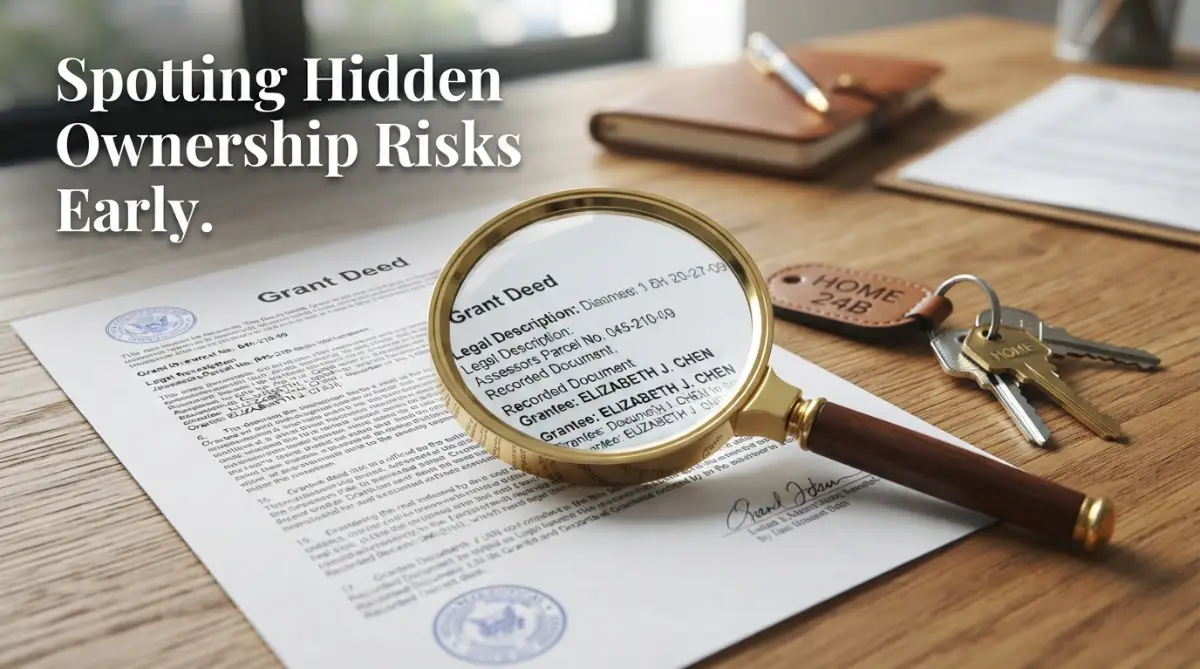
Turning Your Real Estate Fears Into Solid Security
You deserve to feel safe in your own home. You should not have to worry about old debts or secret owners from forty years ago. Title insurance is your shield against these invisible problems. It is the only thing standing between you and a massive legal bill.
Let’s look at how this works in simple steps. We want to make sure you know exactly how to protect your investment. This is not just about paperwork. It is about your future and your family’s security.
Understanding the True Meaning of a "Title"
Before we talk about insurance, we need to know what a "title" actually is. In the real estate world, a title is not just a document. It is a bundle of rights. It means you have the legal right to use the land, build on it, or sell it later.
When you buy a house, you are buying those rights. But sometimes, those rights are "cloudy." A cloud on the title means something is wrong. Maybe there is an unpaid tax bill from ten years ago. Maybe a contractor was never paid for a roof repair by the previous owner.
If these problems exist, they stay with the property, not the person. That means when you buy the house, you buy the problems too. Title insurance is designed to find these issues before you buy and protect you if something pops up later.
The Search: Your First Line of Defense
Every title insurance policy starts with a deep dive. A title agent will look through public records. They check deeds, wills, trusts, and divorce settlements. They are looking for any "break in the chain" of ownership.
Think of it like a background check for your house. The agent wants to see every hand that has touched the property. If they find a mistake, they fix it before you close. This process catches about 95% of all problems.
But what about the other 5%? What about the things that don't show up in records? These are called hidden defects. They are the reason you need an insurance policy. A search can be great, but it is not a crystal ball.
Hidden Defects: What the Public Records Miss
Why would a search miss something? It happens for many reasons. Sometimes it is simple human error. Other times, it is something more serious. Here are a few things a search might miss:
- Forged Signatures: If a previous owner's signature was faked on a deed, the sale was never legal.
- Unknown Heirs: A family member who was left out of a will might suddenly show up to claim the land.
- Mental Incompetence: If someone signed a deed but wasn't in their right mind, the transfer could be voided.
- Clerical Errors: A tired clerk at the county office might have typed a name wrong or filed a paper in the wrong box.
Without insurance, you would have to pay a lawyer to fight these claims. You might even lose the house and still owe the bank for the mortgage. That is a financial disaster that can ruin lives.
Owner’s Policy vs. Lender’s Policy: Don't Get Confused
This is a point where many buyers get tripped up. When you get a mortgage, the bank will require you to buy Lender’s Title Insurance. Many people think, "Great, I'm covered!"
But you are not. The lender's policy only protects the bank's money. It does not protect your equity or your right to live there. If a claim happens, the bank gets paid, but you might still lose your home and your down payment.
To protect yourself, you need an Owner’s Title Insurance Policy. This is usually an optional purchase, but it is the most important one you will make. It covers you for as long as you or your heirs own the property.
Why a One-Time Fee is a Huge Bargain
Most insurance policies require you to pay every month or every year. If you stop paying, your coverage ends. Title insurance is different and much better for your wallet.
You pay for it only once, usually at the closing table. There are no monthly bills. No renewals. One payment protects you for the entire time you own the home. It even protects your children if they inherit the house from you.
When you look at the cost of a legal battle, the price of title insurance is tiny. It is one of the few things in the real estate world that offers lifetime value for a single fee.
Identifying Common "Clouds" on a Title
What exactly are these "clouds" we mentioned? Knowing what they are can help you understand why your agent is working so hard.
One common cloud is a judgment lien. If a previous owner lost a court case and didn't pay the fine, the court might put a lien on the house. The house becomes the "collateral" for that debt. You don't want to be responsible for someone else's legal troubles.
Another issue is encroachments. This happens when a neighbor builds a fence or a garage that sits on your land. It sounds small, but it can cause huge legal fights when you try to sell the house later. Title insurance helps clear these paths so your ownership stays "clear."
The Peace of Mind Factor
Beyond the money and the legal talk, there is the emotional side. Buying a home is stressful enough. You are moving boxes, setting up utilities, and changing schools. The last thing you need is a legal war over your front porch.
When you have a solid owner's policy, you can sleep soundly. You know that if a problem arises, the insurance company will handle it. They pay the lawyers. They settle the debts. They do the heavy lifting so you don't have to.
Myth vs. Reality: Clearing the Confusion
Let’s look at some common myths that keep people from getting the protection they need.
Myth: "The house is brand new, so there are no title issues."
Reality: Even if the house was built yesterday, the land has a long history. There could be liens against the developer or old easements that affect how you use your yard.
Myth: "A title search is enough to prove the title is good."
Reality: As we discussed, a search only finds what is recorded. It cannot find a forged signature or a secret heir.
Myth: "I don't need title insurance because I trust the seller."
Reality: The seller might be a great person, but they might not know about a mistake made 30 years ago. Title issues are often unintentional mistakes from the past.
How to Get the Best Coverage
When you are at the closing stage, you have the right to choose your title company. Don't just go with the first name you hear. Do a little research. Look for a company with a strong reputation for handling claims fairly.
Ask your real estate agent for recommendations, but remember that the choice is yours. Look for a policy that offers "Enhanced Coverage." This type of policy covers even more issues, like building permit violations or map errors.
The Role of the Title Agent
A title agent is like a detective and a bodyguard rolled into one. They spend hours in dusty record rooms or scrolling through digital archives. Their goal is to find every possible problem before you sign the final papers.
If they find a "cloud," they work to "cure" it. This might mean finding an old owner to sign a release form or paying off a small forgotten debt using the seller's proceeds. Their hard work makes sure that when you get the keys, you are the true and only owner.
Protecting Your Heirs
One of the most beautiful parts of title insurance is that it lasts forever. If you pass the house down to your children, the policy stays in effect. They get the same protection you had.
This creates a legacy of security. You aren't just protecting your own investment; you are protecting the home for the next generation. It ensures that the family home stays in the family without legal surprises down the road.
What Happens During a Claim?
If someone does challenge your ownership, the process is straightforward. You notify your insurance company. They assign a team to look into the claim.
If the claim is valid, the insurance company pays to fix it. If the claim is false, the insurance company pays for the lawyers to defend you in court. Either way, your bank account stays safe. You don't have to scramble to find thousands of dollars for legal fees.
Finalizing Your Purchase with Confidence
As you get closer to your closing day, make sure "Owner's Title Insurance" is on your checklist. It is often listed in the "closing costs" section of your documents.
Check the amount. Make sure it covers the full purchase price of the home. If the house grows in value, some enhanced policies will even increase their coverage amount to match the new value.
The Science of Title Risk Management
Title insurance is based on the science of risk elimination. Most insurance (like car or health insurance) focuses on risk assumption. They assume something bad might happen and plan to pay for it.
Title insurance focuses on making sure the bad thing never happens in the first place. By doing the search and curing the defects before the sale, they eliminate the risk. The policy is there for the rare times when a risk was impossible to see.
This scientific approach is why title insurance is so reliable. It is a proactive way to handle property rights. It turns the "what ifs" into "it's handled."
Real-Life Scenario: The Case of the Missing Mortgage
Let's look at a quick example. A couple bought a home and the title search showed it was clear. Two years later, a bank contacted them. It turns out a mortgage from three owners ago was never officially "discharged" at the county office.
Even though the debt was paid, the paperwork was missing a stamp. The bank technically still had a claim on the house. Because the couple had title insurance, the company spent six months tracking down the old bank records and getting the proper documents filed.
The couple didn't pay a single cent for this legal work. Without insurance, they would have had to pay a lawyer to track down a bank that might not even exist anymore.
Your Home, Your Rules, Your Protection
At the end of the day, your home is your sanctuary. It is the place where you raise your kids, host dinners, and rest after a long day. You have worked too hard to let a paperwork error from the past take that away.
By choosing title insurance, you are taking a stand for your rights. You are saying that your investment matters. You are ensuring that your "Home Sweet Home" stays exactly that—yours.
A Quick Checklist for Smart Buyers
- Ask for an Owner's Policy: Don't assume the lender's policy covers you.
- Read the Exceptions: Every policy has a list of things it doesn't cover. Ask your agent to explain them.
- Keep Your Policy Safe: Put your title insurance policy in a safe place with your other important house papers.
- Look for Discounts: In some areas, if the seller had a policy recently, you might get a "reissue rate" which is cheaper.
Why This Matters Today
The world is getting more complex. Records are moving online, but mistakes still happen. Identity theft is on the rise, making forged deeds a bigger threat than they were years ago.
Now more than ever, having a professional company backing your ownership is vital. It is the modern way to ensure property rights are respected. You are not just buying a house; you are buying the legal certainty that the house belongs to you.
Stay informed, stay protected, and enjoy your journey into homeownership. With the right title insurance, the only thing you’ll need to worry about is what color to paint the living room.
Expert Strategies to Maximize Your Home Ownership Protection
When you are deep in the process of buying a home, it is easy to feel overwhelmed. You are looking at paint colors and moving trucks. However, the most successful buyers focus on the invisible details that keep their investment safe.
One pro-level secret is to understand the Title Commitment before you ever get to the closing table. This document is a "promise" from the insurance company. It lists exactly what they found during their search and what they will not cover.
You should ask your agent to show you "Schedule B" of this document. This section lists the "exceptions." These are things the insurance company won't protect you against. If you see something strange, like an old utility easement you didn't know about, now is the time to ask questions.
The Magic of Gap Coverage
Have you ever heard of the "Gap Period"? This is the time between when you sign the papers and when the county officially records the deed. Sometimes this takes days or even weeks.
In that short window, something bad could happen. A lien could be filed against the previous owner right before the recording. Advanced title policies often include "Gap Coverage" to protect you during this tiny but dangerous slice of time.
Always ask if your policy includes this feature. It is a small detail that provides a massive safety net. You don't want a surprise debt from the seller to attach to your home just because the county office was closed on a Friday afternoon.
Why a Boundary Survey is Your Best Friend
Many people think their title insurance covers where their land starts and ends. This is not always true. Standard policies often exclude "matters that a survey would show."
This means if your neighbor’s garage is three feet over your property line, a standard policy might not help you. To get full protection, you should get a professional boundary survey.
Once you have the survey, you can ask the title company to remove the "survey exception." This moves the risk from your shoulders to the insurance company’s shoulders. If you want to avoid future fights over fences, this is the most important step you can take.
When looking at physical issues with a property, you might also want to check for critical home inspection red flags to spot to ensure the house itself is as solid as its title.
Negotiating for an Enhanced Policy
Not all insurance policies are the same. A "Standard" policy is good, but an "Enhanced" policy is a powerhouse. It covers things like building permit violations or even forced removal of a structure because it violates a law.
While an enhanced policy costs a bit more, it offers much more value. In some cases, you can even ask the seller to pay for the upgrade as part of your negotiation. It never hurts to ask, and it could save you thousands in future legal headaches.
To understand more about the legal standards of property rights, you can explore resources from the American Land Title Association, which sets the industry standards for these protections.
The curative power of the Title Agent
If a problem does show up, don't panic. Title agents are experts at "curing" titles. This means they know how to track down old documents and fix mistakes.
They might find a "satisfied mortgage" that was never recorded properly. They can contact the old bank and get a release. This professional work is happening behind the scenes while you are busy packing boxes.
By the time you reach the closing, the title should be "clear and marketable." This means it is so clean that any reasonable person would buy it without fear. This is the goal of every real estate transaction.

The Mistakes That Could Cost You Your Sanctuary
The road to home ownership is paved with good intentions, but some mistakes can be devastating. One of the biggest errors is trusting the seller’s word alone. Even the most honest seller might not know about an old tax lien or a forgotten heir.
Imagine moving into your dream home and finding out the seller's ex-spouse still has a legal claim to the property. This happens because someone forgot to sign a single paper years ago. If you skipped the owner's policy, you are now fighting a legal battle with your own money.
Another heart-wrenching mistake is assuming the Lender’s Policy has your back. It does not. The bank is only looking out for their loan amount. If the house is lost, the bank gets paid, but you are left standing on the sidewalk with nothing.
Walking Through the Escrow Process Without a Plan
Many buyers treat the closing period like a waiting game. They don't realize that this is the most active time for title work. If you are not paying attention to the escrow process and what really happens, you might miss your chance to catch a title defect.
You must stay in constant contact with your escrow officer. Ask them if the title search is complete. Ask if there are any "clouds" that need to be cleared. Being passive is a risk you cannot afford.
Ignoring the Fine Print in the Deed
Not all deeds are the same. A "Warranty Deed" offers the most protection, while a "Quitclaim Deed" offers almost none. Some buyers accept a deed without realizing it doesn't actually guarantee that the title is good.
Always push for a General Warranty Deed if possible. This is the seller’s promise that they own the property and will defend you against any future claims. Combining this deed with a strong insurance policy is like wearing both a belt and suspenders.
For a deeper understanding of how property transfers work legally, the Legal Information Institute provides excellent insights into the different types of deeds and their risks.
Thinking You Don't Need It for Cash Sales
If you are lucky enough to buy a home with cash, you might think you can skip the insurance to save money. This is a dangerous trap. Without a bank involved, there is no one forcing a title search.
This means you could be buying a house that has thousands of dollars in unpaid city fines or contractor liens. Without insurance, those debts become your debts the second you hand over the cash. Buying with cash actually makes title insurance more important, not less.
Even if you have the funds, knowing why you don't need a twenty percent down payment can help you manage your cash better, leaving enough room for these essential protections.
Your Roadmap to a Secure and Happy Home
Buying a home is a giant leap toward building your future. It is a place of memories and a store of wealth. By choosing to understand and buy title insurance, you are acting as a wise guardian of that future.
You now know that this one-time fee is the best investment you can make. It keeps the "what ifs" from becoming "oh nos." It gives you the power to tell any future claimant that you are protected by a professional team of lawyers and insurers.
Take a moment to feel proud of yourself. You are not just a home buyer; you are an informed owner. You have done the work to ensure that your property remains yours for as long as you want it.
Your Final Action Plan
Start by asking your agent for the name of the title company they suggest. Do your own quick check on them. Read the title commitment carefully when it arrives.
If you see things you don't understand, ask your agent to explain them in plain English. Remember, there are no "dumb questions" when it comes to your life savings.
Once you are settled in, make sure your house stays valuable by learning how to get the highest home appraisal value. This helps you keep track of your growing equity with confidence.
You have the tools. You have the knowledge. Now, go out there and sign those papers with a smile. Your home is safe, your title is clear, and your future is bright. Welcome to the wonderful world of secure home ownership!
Disclaimer: The information provided in this article is for educational purposes only and does not constitute legal or financial advice. Real estate laws and title insurance practices vary by location. Always consult with a qualified real estate attorney or a licensed title professional in your area before making any property-related decisions.