
The Invisible Weight: Living in a Mental Fog
Have you ever woken up feeling like your head is filled with thick, heavy smoke? You reach for your coffee, but even the caffeine doesn't seem to touch the exhaustion sitting deep in your bones. This isn't just about feeling "tired." It is a quiet struggle that millions of people face every single day.
I want you to think about your last week. How many times did you snap at someone you love because you were "just a bit grumpy"? How many times did you stare at your computer screen for ten minutes, unable to process a simple email? We often wear our lack of sleep like a badge of honor, a sign that we are working hard. But in reality, we are slowly starving our most important organ.
Your brain is not a machine that can run forever without maintenance. When you skip sleep, you aren't just losing time; you are losing pieces of yourself. The sharp wit you used to have starts to dull. Your memory, once like a steel trap, begins to leak. It feels like you are walking through life behind a pane of frosted glass. You can see the world, but you can't quite touch it or feel part of it.
This constant struggle creates a cycle of stress and anxiety. You worry about your performance at work. You feel guilty for being short-tempered with your kids. You feel like you are failing, but the truth is, your brain is simply crying out for help. It is trying to tell you that it can no longer keep up with the demands you are placing on it without the rest it deserves.
We need to stop looking at sleep as a luxury. It is a biological necessity, just like breathing or eating. Without it, the very structure of your thoughts begins to crumble. The peace of mind you crave is waiting for you on the other side of a good night's rest.
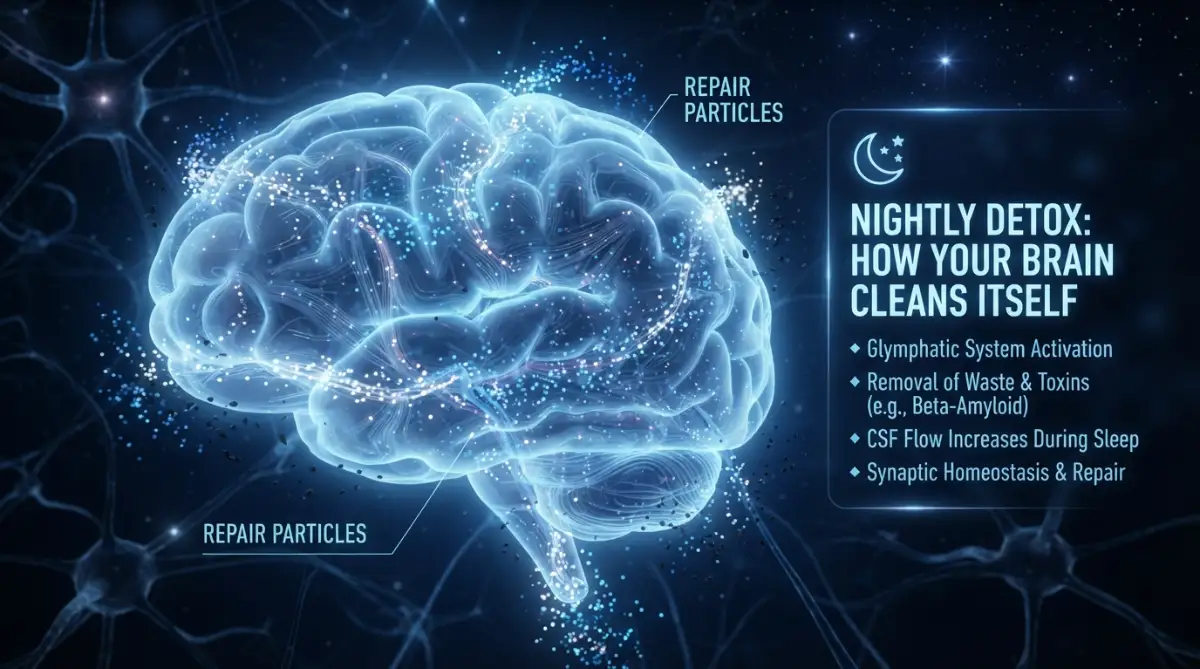
The Nightly Trash Collection: Your Brain’s Cleaning System
Most people think the brain just shuts off when we go to sleep. This could not be further from the truth. In fact, your brain is incredibly busy while you are dreaming. It runs a highly advanced cleaning process called the glymphatic system.
Think of your brain like a busy city. During the day, the city is full of cars, people, and activity. This activity creates trash. In your brain, this "trash" consists of toxic proteins like amyloid-beta. If these toxins sit there too long, they start to block the roads and damage the buildings.
When you fall into a deep sleep, your brain cells actually shrink a little bit. This creates more space between the cells. A special fluid then washes through these spaces, flushing out the toxic waste that built up during the day. If you cut your sleep short, the "trash collectors" don't have enough time to finish their job.
Over months and years, this trash builds up. Scientists have found that this buildup is a major factor in the development of serious issues like Alzheimer’s disease. By not sleeping, you are essentially leaving the garbage in your hallways to rot. This is why you feel so heavy and "cluttered" the next day. Consistent sleep is the only way to keep your internal city clean and functional.
Want to see this mental cleaning crew in action? Watch this short, fascinating animation showing how your brain physically washes away toxins while you sleep, then keep reading to see how this builds your memory!
Building the Fortress of Memory
Have you ever wondered why you can remember a childhood pet but forget what you ate for lunch yesterday? This is because of a process called memory consolidation. Your brain doesn't just store memories the moment they happen. It needs to "save" them, like hitting the save button on a document.
Most of this saving happens while you are asleep. Your brain takes the scattered pieces of information from your day and moves them into long-term storage. It filters through what is important and what can be thrown away.
When you stay up late, you are interrupting this saving process. This is why students who pull "all-nighters" often perform worse on exams. Their brains never got the chance to lock in the information. Without sleep, your brain is like a leaky bucket; no matter how much info you pour in, it just keeps dripping out.
This affects more than just facts and figures. It affects your "muscle memory" and your ability to learn new skills. Whether you are learning to play the guitar or trying to master a new software at work, your progress happens while you sleep. You don't get better at things while you are doing them; you get better while you rest.
The Emotional Guardrails of the Mind
We have all had those days where the smallest thing makes us want to cry or scream. Maybe someone cut you off in traffic, or you dropped a spoon. Normally, you would handle it fine. But when you are sleep-deprived, it feels like the end of the world.
This happens because of a part of your brain called the amygdala. The amygdala is responsible for your raw emotions, like fear and anger. In a healthy brain, the prefrontal cortex acts like a wise parent, keeping the amygdala in check. It tells you, "Hey, it’s just a spoon, don't worry about it."
When you don't sleep, the connection between the "wise parent" and the "emotional child" breaks. Your amygdala becomes 60% more reactive. This means you are living in a constant state of high alert. Your brain thinks everything is a threat.
This long-term emotional instability can lead to chronic anxiety and depression. Your brain loses its ability to regulate how you feel. Sleep provides the emotional guardrails that keep you on the right path. Without them, you are just one minor inconvenience away from a total breakdown.
The Physical Shrinking of the Brain
This is perhaps the most frightening part of chronic sleep loss. Studies using MRI scans have shown that people who consistently sleep poorly have less brain volume. This means the physical tissue of the brain is actually shrinking in certain areas.
The areas most affected are the parts responsible for decision-making and memory. This isn't just a temporary fog; it is a change in your physical biology. When your brain loses volume, it becomes harder to focus, harder to solve problems, and harder to stay creative.
Think of your brain like a muscle. If you work a muscle every day without giving it time to repair, it eventually breaks down. Your brain is no different. Rest is the period of repair. It is when your neurons fix their connections and strengthen their bonds.
If you continue to ignore your body's need for rest, you are essentially asking your brain to do more with less. Over time, the damage becomes harder to reverse. Protecting your sleep is the best way to ensure your brain stays big, strong, and healthy well into your later years.
The Myth of "Catching Up" on the Weekend
We have all said it: "I'll just sleep all day Sunday to make up for the week." Sadly, the brain doesn't work like a bank account. You cannot simply deposit extra hours on the weekend to pay off a "sleep debt" from Tuesday.
While sleeping in on the weekend might make you feel slightly better, it doesn't fix the cellular damage done during the week. The toxic buildup we talked about earlier doesn't just disappear because you slept for ten hours once.
In fact, changing your sleep schedule drastically on the weekends can actually make things worse. It creates something called "social jetlag." This confuses your internal body clock, making it even harder to fall asleep on Monday night. Consistency is much more important than total hours.
Your brain craves a rhythm. It wants to know exactly when the "cleaning crew" should start their shift. By keeping a steady schedule, you allow your brain to optimize its processes. A steady seven hours every night is far better than five hours on weekdays and ten on weekends.
I used to think sleeping twelve hours on Saturdays would save me, but I always woke up with a headache and felt even more exhausted. When I finally forced myself to wake up at the exact same time every single day—even on weekends—my morning brain fog vanished in less than two weeks.
How to Reclaim Your Mental Clarity Starting Tonight
You might feel like it is too late to change, but your brain is incredibly resilient. It wants to heal. You just have to give it the right environment to do so. The first step is to treat your bedroom like a sanctuary.
Remove anything that triggers your "daytime" brain. This means no laptops, no work papers, and ideally, no phones. The blue light from your screen tells your brain that it is daytime. This stops the production of melatonin, the hormone that helps you sleep.
Try to create a "wind-down" routine that lasts at least 30 minutes. This could be reading a physical book, taking a warm bath, or doing some light stretching. The goal is to signal to your nervous system that the day is over.
When you lower the lights and slow down your movements, your brain begins to prepare for the cleaning process. You are giving it the green light to start the repairs. Starting this habit today can change the trajectory of your brain health for the rest of your life.
The Connection Between Sleep and Cognitive Longevity
We all want to stay sharp as we get older. We do crossword puzzles and drink green tea, but we often ignore the most powerful tool we have: our beds. Sleep is the foundation of cognitive longevity.
People who maintain healthy sleep patterns throughout their lives have a much lower risk of developing dementia. This is because they have kept their "brain trash" levels low for decades. They have protected their brain volume and kept their emotional centers balanced.
Think of sleep as a long-term investment. Every night you choose to rest, you are putting a deposit into your "future health" account. You are making sure that the version of you twenty years from now still has a sharp mind and a clear memory.
It is easy to get caught up in the hustle of today. But the hustle isn't worth losing your mind over. Literally. Taking care of your brain health through sleep is one of the most unselfish things you can do. It allows you to be present, capable, and healthy for the people who depend on you.
Why Your Brain Needs "Quiet Time" Before the Deep Sleep
Many of us jump straight from a high-stress environment into bed and wonder why we can't sleep. Your brain is like an airplane; it needs a runway to land. It cannot just drop out of the sky.
This landing period is where you transition from "doing" mode to "being" mode. If your brain is still processing work stress or social media drama, it stays in a state of high arousal. Even if you fall asleep, the quality of that sleep will be poor.
During this quiet time, your heart rate slows down, and your brain waves begin to shift. This is a vital part of the sleep cycle. It sets the stage for the deep, restorative stages of sleep that do the most heavy lifting for your brain health.
Try to find one simple activity that calms your mind. Maybe it's listening to soft music or just sitting in silence for a few minutes. This small act of kindness to yourself can make a world of difference in how your brain recovers overnight.
Breaking the Cycle of Chronic Tiredness
If you have been sleep-deprived for a long time, being tired feels normal. You might not even realize how much you are struggling because you have forgotten what it feels like to be truly awake.
The first few days of getting proper sleep might actually make you feel more tired. This is your body finally realizing how exhausted it truly is. It’s like when you finally sit down after a long day of hiking and your legs start to ache.
Don't let this discourage you. Stick with it. After about a week of consistent rest, the fog will start to lift. You will find that you have more patience. You will notice that your focus is sharper. You will feel like a version of yourself that you haven't seen in a long time.
Your brain health is your most valuable asset. Don't trade it for an extra hour of television or another late-night scroll through your phone. Protect your sleep, and your brain will protect you.
The Role of Temperature in Brain Recovery
Did you know that your brain needs to cool down to fall asleep? Your core body temperature naturally drops in the evening to prepare for rest. If your room is too hot, this process gets blocked.
A cool room is like a signal to your brain that it’s time to start the cleaning cycle. Most experts suggest a temperature around 65 degrees Fahrenheit (18 degrees Celsius). This might feel chilly at first, but it helps you stay in the deeper stages of sleep for longer.
When your brain is cool, it can focus all its energy on repair and recovery. It doesn't have to waste energy trying to keep you cool. This is a simple, physical hack that can significantly improve your long-term brain health.
If you can't control the thermostat, try a warm shower before bed. When you get out, your body temperature will naturally drop, mimicking the natural cooling process. It’s these small, logical steps that lead to big changes in your mental clarity.
Final Thoughts on the Power of Rest
We have covered a lot of ground today. From the cleaning systems of the glymphatic system to the emotional balance provided by the amygdala, it is clear that sleep is the master key to a healthy brain.
Every night is an opportunity to reset. No matter how much sleep you have lost in the past, you can start making better choices tonight. Your brain is waiting for that chance to heal and grow.
Make a promise to yourself to prioritize your rest. It isn't a sign of weakness; it is a sign of wisdom. A well-rested brain is a powerful brain. It is the tool you need to build the life you want.
So, tonight, when the sun goes down, listen to your body. Give your brain the "trash collection" time it needs. You will wake up to a brighter, clearer, and more vibrant world. Your long-term brain health is worth every minute of that rest.
Master Your Neural Repair: Professional Habits for Lasting Mind Power
Many people believe that getting good sleep is just about lying down for enough hours. But true brain recovery is an art that requires a few expert secrets. If you want to protect your mind from long-term damage, you need to look at the quality of your rest, not just the quantity.
One of the most powerful secrets used by sleep experts is the 90-minute cycle rule. Your brain doesn't just sleep in one long block. It moves through stages that last about an hour and a half each.
If you wake up in the middle of a deep cycle, you feel groggy and "heavy" all day. This is why some people feel better after six hours of sleep than after seven. They likely woke up at the end of a cycle. Try to time your wake-up call to match these 90-minute blocks to keep your brain sharp.
Another expert tip involves your light environment before bed. Most of us know that blue light from phones is bad. But did you know that even the bright LED light in your bathroom can stop your brain from producing sleep hormones?
Switching to warm, dim lighting two hours before bed acts like a gentle "handshake" for your brain. It tells your nervous system that the day is officially over. This simple shift can drastically reduce the time it takes for you to fall into a deep, healing state.
We also have to talk about your internal body temperature. Your brain needs to drop its temperature by about two to three degrees to initiate deep repair. If you eat a heavy meal late at night, your body stays warm while it digests the food.
This extra heat keeps your brain in a "light" sleep mode where no real cleaning happens. Try to finish your last meal at least three hours before you plan to sleep. This gives your digestive system a break and allows your brain to cool down properly.
When you manage your chronic stress and its physical impact, you also help your sleep. Stress keeps your brain in a state of high alert, which blocks the "trash collection" process we talked about earlier. By calming your mind, you allow your brain to finally let go and recover.
Magnesium is often called the "brain's natural relaxant." Many people are low in this mineral, which can lead to racing thoughts at night. You can find magnesium in foods like spinach, pumpkin seeds, and almonds.
Eating these foods can help calm the electrical activity in your brain. This makes it easier for you to slip into a restorative state without needing medicine. It is a natural way to support your gray matter and keep your memory strong.
Finally, consider the power of "Dark Therapy." This means making your room as dark as a cave. Even a tiny light from a charger or a streetlamp can disturb your brain's rest. Use blackout curtains or a high-quality eye mask to ensure total darkness. This deep darkness signals your brain to perform its most intense maintenance work.

Silent Saboteurs: The Hidden Mistakes That Drain Your Brain Power
Sometimes, we think we are doing the right thing for our health, but we are actually hurting our brains. One of the biggest mistakes people make is relying on "sleep aids" or medication every night. These pills don't provide natural sleep; they mostly just knock you out.
When you are sedated, your brain doesn't move through the natural stages of repair. It’s like a computer that was forced to shut down instead of running its proper updates. Over time, this can lead to even more memory problems and mental confusion.
Another common pitfall is the "Snooze Button" trap. When you hit snooze, you are starting a new sleep cycle that you cannot finish. This sends a "confused" signal to your brain. It leaves you feeling more tired than if you had just woken up the first time.
This mental "hangover" can last for hours and affects your decision-making throughout the day. If you struggle to wake up, it usually means your brain didn't get enough deep rest the night before. Instead of snoozing, try to go to bed twenty minutes earlier tonight.
Many people also try to "burn themselves out" with late-night workouts. While exercise is great, doing it too close to bedtime raises your core temperature and adrenaline. This keeps your brain in "fight or flight" mode when it should be in "rest and digest" mode.
Your brain needs a peaceful transition. If you must exercise late, try gentle yoga or walking. These activities help lower your stress levels rather than spiking them. Remember, your gut health and the foods you eat also play a huge role in how well your brain settles down.
We also can't ignore the habit of "checking the news" before sleep. The human brain was not designed to process global tragedies right before trying to rest. This flood of information creates a spike in cortisol, the stress hormone.
This hormone acts like a "lock" on your sleep gate. It prevents you from entering the deep cycles where your memories are saved and your toxins are cleared. Your brain needs to feel safe to sleep deeply. Reading stressful news makes it feel like it needs to stay awake to watch for danger.
Lastly, some people think they can "train" their brain to need less sleep. This is a dangerous myth. While you might feel like you are doing fine on four hours, tests show that your cognitive skills are significantly lower. You are essentially working with a "drunk" brain without even knowing it.
The damage is happening quietly in the background. By the time you notice the memory loss or the lack of focus, the damage has already been done for years. Don't wait for a medical crisis to start respecting your brain's need for recovery.
Interestingly, even your beauty habits are linked to this. Your skin does its best repair work while your brain is in deep sleep. By following a proper daily skincare routine, you are supporting your body's natural nighttime repair cycle. It’s all connected in one big system of health.
Your Brain's New Beginning: A Daily Action Plan
For nearly two years, I lived in a constant haze, misplacing my keys, forgetting simple words mid-conversation, and feeling like my brain was running on empty. I tried to push through with extra cups of coffee and late-night work sessions, thinking I could just tough it out. It took a scary moment of blanking out during an important meeting for me to realize I was slowly destroying my own mental health.
It is easy to feel overwhelmed by all this information, but you don't have to change everything at once. Start with one small change tonight. Maybe you decide to put your phone in another room an hour before bed. Or maybe you finally buy those blackout curtains you’ve been thinking about.
Think of your brain as a loyal friend that has been working for you every second since you were born. It never takes a break, except for when you allow it to sleep. Don't you think it deserves a few hours of high-quality maintenance?
When you prioritize your sleep, you aren't being lazy. You are being responsible. You are making sure that you have the mental energy to be a good parent, a great employee, and a happy human being. A well-rested brain is a creative and kind brain.
I want to encourage you to look at your bedroom as a laboratory for your future health. Everything in it should help you rest. If your mattress is old or your pillows are uncomfortable, see if you can improve them. This is an investment in your mental longevity.
According to research from the National Institutes of Health (NIH), the cleaning process in the brain is one of the most important discoveries in modern medicine. This proves that sleep is not just "down time." It is active, powerful, and necessary.
If you have kids, show them the importance of rest by following these rules yourself. Children learn more from what we do than from what we say. By creating a household that values sleep, you are protecting the brain health of your entire family for years to come.
As you start this journey, be patient with yourself. Your brain might take a few nights to adjust to a new routine. That is okay. Just keep showing up for yourself. The mental clarity and peace of mind you will gain are worth the effort.
I have seen people completely change their lives just by fixing their sleep habits. They become more productive, less anxious, and more present in their own lives. You have the power to do the same. Your brain is ready to heal; you just need to give it the time and the space.
Remember that your health is your greatest wealth. No job, no show, and no social media post is worth more than your ability to think clearly. Protect your mind, and it will take care of you for a lifetime.
Tomorrow morning, when you wake up without hitting the snooze button, take a moment to notice how you feel. You might notice that the sun looks a little brighter or your coffee tastes a little better. This is the sound of your brain thanking you.
Keep moving forward, one night at a time. The path to long-term brain health isn't a sprint; it’s a slow and steady walk toward a better version of yourself. You have the tools, you have the knowledge, and now you have the plan.
Sweet dreams and here is to your sharpest, healthiest mind ever.
Reclaiming my mental clarity did not happen in a single night, but making sleep my top priority completely changed how I show up for my family and my work. I urge you to put your phone away early tonight and give your mind the rest it has been begging for.
Disclaimer:
The information provided in this post is for educational purposes only and should not be taken as professional medical advice. Always consult with a qualified healthcare provider before making significant changes to your lifestyle or if you have chronic sleep issues.