The Night My Old Sedan Met a Stray Deer
I still remember the chilly autumn night my old sedan met a stray deer on a dark road. The sudden impact shattered my headlights and crumpled my hood in a split second. As I stood on the shoulder waiting for a tow truck, my heart sank.
I felt completely sure that my insurance would cover the damage because I paid my bills on time. The next morning, the agent told me my basic liability policy would not pay a single cent. That painful lesson cost me thousands of dollars of my own savings.
My mistake was assuming that having car insurance automatically meant my car was protected from everything. I did not understand that different types of coverage protect against different kinds of accidents. This lack of knowledge left me feeling angry, helpless, and deeply stressed.
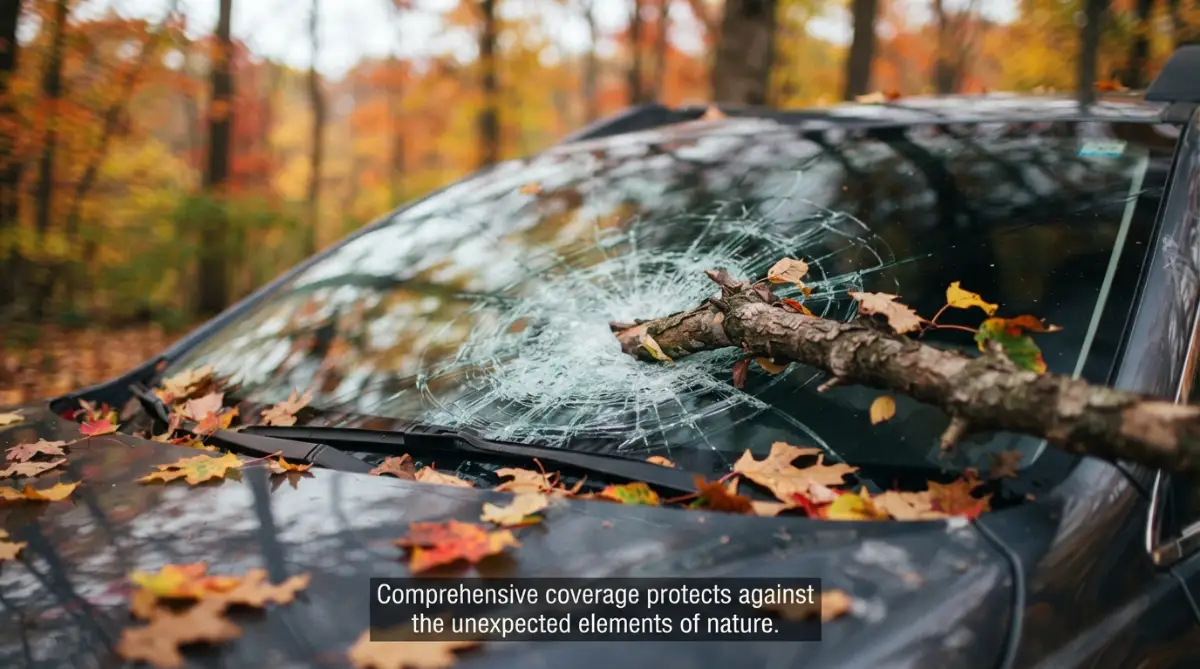
Many drivers face this exact same panic and confusion every single day. We buy policy plans believing we are safe from any bad luck on the road. Then, a sudden storm drops a heavy tree branch onto our parked vehicle.
The sudden realization that we must pay for these repairs ourselves is incredibly stressful. It robs us of our peace of mind and makes us worry about our financial security.
This confusion often comes from the complex language used in policy documents. We simply want to protect our families and our hard-earned money from sudden road disasters. Yet, we are forced to navigate a maze of confusing insurance terms and options.
Trying to figure out the differences between these options feels completely exhausting. This constant worry makes every daily drive feel like a high-stakes financial gamble. We deserve a clear way to understand what we are paying for.
You do not need to feel lost in the sea of policy options anymore. I want to share what I learned from my own costly mistakes so you can protect your wallet. Let us break down the walls of confusion and make this simple for you.
The Simple Truth About Collision Insurance
Collision insurance is a specific type of coverage that helps pay to repair or replace your vehicle if it gets damaged in an accident. This applies regardless of who was at fault for the crash. It is designed to protect your car when it is actively moving and hits something else.
For example, if you accidentally hit another car at a stoplight, this coverage pays for your repairs. It also steps in if you crash into a tree, a guardrail, or a telephone pole. Even if you roll your car over on an icy road, collision has you covered.
Without this coverage, you would have to pay for your own car repairs if you caused the accident. Your liability coverage would only pay for the damage you caused to the other driver's vehicle. That is why this option is so important for peace of mind.
Understanding the Role of Deductibles in Collision Claims
Every collision policy comes with a deductible, which is the amount you agree to pay before insurance kicks in. Common deductible amounts usually range from five hundred dollars to one thousand dollars. Choosing a higher deductible means you pay more during a claim but your monthly premium goes down.
Let us say your car suffers three thousand dollars in damage after hitting a guardrail. If your deductible is five hundred dollars, you will pay that amount to the repair shop. Your insurance company will then pay the remaining two thousand five hundred dollars.
It is smart to pick a deductible that you can easily afford to pay on short notice. If you cannot afford a high unexpected bill, a lower deductible is a safer choice. This helps keep your budget stable and stress-free when accidents happen.
If you want to see exactly how collision claims work in real life, watch this helpful video breakdown. It shows how minor fender benders can quickly add up to thousands of dollars in repair bills.
What is Comprehensive Coverage and How Does It Work?
Comprehensive coverage is often called "other than collision" insurance for a very good reason. It protects your vehicle from damage caused by events that are completely out of your control. This coverage is active even when your car is parked safely in your driveway.
This option steps in to help if your car is stolen or damaged by vandals. It also covers damage from extreme weather events like hail, windstorms, floods, or wildfires. If a stray rock cracks your windshield on the highway, comprehensive pays to fix it.
This coverage was exactly what I needed on the night I hit that stray deer. Animal encounters are classified under comprehensive because they are unpredictable acts of nature. Having this plan would have saved me from a massive repair bill.
The Surprising Things Comprehensive Coverage Protects Against
Many people do not realize how wide the safety net of comprehensive coverage actually is. For instance, if a heavy tree branch falls on your roof during a storm, this policy pays for the repairs. It even covers damage caused by civil unrest or explosions.
It is the ultimate shield against the unpredictable forces of nature and bad luck. You cannot control when a hail storm will strike or when a thief might target your vehicle. Having this protection ensures you are never left with a total financial loss.
Just like collision, comprehensive also requires you to pay a deductible before your benefits start. However, comprehensive deductibles are often lower because the risks are different. Many drivers choose a zero-dollar deductible specifically for windshield glass claims.
Key Differences Between Comprehensive and Collision Coverage
To make the best choice for your budget, you must understand how these two policies compare. While both protect your physical vehicle, they handle completely different types of incidents. Let us look at a simple breakdown to see how they contrast.
As you can see, collision is all about the impact of driving. Comprehensive is about everything else that life might throw at your car. Together, they create a complete safety net that covers almost any physical damage scenario.
Do You Really Need Both Coverages?
Many people wonder if they should buy both options or just choose one. The answer depends heavily on your personal situation, your car, and your budget. Let us look at the main factors that should guide your decision.
Lender and Leasing Requirements
If you are financing or leasing your car, the decision might already be made for you. Banks and leasing companies almost always require you to carry both comprehensive and collision. They want to protect their financial investment in your vehicle until you pay it off.
If you fail to keep these coverages, the lender can buy insurance for you and bill you for it. This is called force-placed insurance, and it is usually much more expensive. It is always better to shop around and buy your own policy.
The Age and Value of Your Vehicle
If you own your car outright, you have the freedom to choose your own coverage level. A good rule of thumb is to look at the total market value of your vehicle. If your car is very old and worth very little, these coverages might not make financial sense.
For example, if your car is worth only two thousand dollars and your deductible is one thousand dollars, the maximum payout is small. You would pay high premiums for a very limited potential benefit. In this case, dropping these coverages could save you money.
My own realization came when I calculated the yearly cost of my premium against my old car's actual value. I realized I was paying more to insure the car than it was worth on the open market. Switching to a higher deductible saved me money that I could put into a savings account for a future vehicle.
Myth vs Reality: Clearing Up Auto Insurance Confusion
There are many myths surrounding car insurance that can lead to costly mistakes. One of the biggest myths is the concept of "full coverage" insurance. Many drivers believe this term means they are completely protected from every single expense.
The Myth of the Full Coverage Plan
In reality, "full coverage" is not an actual insurance policy that you can buy. It is simply a slang term used to describe a policy that includes liability, collision, and comprehensive. Even with all three, you still have to pay deductibles, and certain situations might not be covered.
For example, if your personal laptop is stolen from your back seat, auto insurance will not cover it. That loss is usually handled by your renters or homeowners insurance policy. Understanding these limits prevents nasty surprises when you need to file a claim.
The Myth About Animal Collisions
Another common myth is that hitting an animal is considered a collision claim. Because you hit an object, it seems logical that collision insurance would pay for it. However, insurance companies always classify animal strikes under comprehensive coverage.
This distinction is highly important because comprehensive coverage often has a lower deductible than collision. It also typically does not raise your monthly premiums as much as an at-fault collision claim does. Knowing this distinction helps you report claims correctly to your agent.
How to Choose the Best Deductibles for Your Budget
Selecting the right deductible is a balancing act between your monthly budget and your emergency savings. A lower deductible means you pay less during an accident, but your monthly bills will be higher. A higher deductible lowers your monthly cost but requires more savings on hand.
Assessing Your Personal Emergency Fund
Take a close look at your savings account before choosing your deductible limits. If you have an emergency fund that can easily cover a one-thousand-dollar expense, a higher deductible is a smart move. You will save money on your monthly bills while remaining safe.
However, if you live paycheck to paycheck, a high deductible can be a major financial trap. If you get into an accident and cannot pay the deductible, the shop will not release your car. In this scenario, paying a slightly higher monthly premium is worth the protection.
Evaluating Your Driving Environment and Habits
Think about where you drive and park your vehicle every day. If you commute on busy highways with lots of traffic, your risk of a collision is much higher. If you park on a city street where theft and vandalism are common, comprehensive is essential.
Adjusting your deductibles based on these specific risks can optimize your spending. For example, you might choose a low deductible for comprehensive and a higher one for collision. This custom approach keeps your money working where you need it most.
How to Save Money on Your Comprehensive and Collision Premiums
You do not have to accept high insurance rates as an unavoidable fact of life. There are several practical ways to lower your costs without sacrificing your protection. Let us explore some of the most effective strategies you can use today.
The Power of Bundling Your Policies
Most insurance companies offer significant discounts if you buy multiple types of policies from them. This is commonly known as bundling your home and auto insurance. You can also bundle renters, motorcycle, or life insurance to save even more.
Bundling can easily slash your premiums by ten to fifteen percent across all your policies. It also makes managing your bills much easier because everything is in one place. It is one of the simplest ways to put money back in your pocket.
Improving Your Vehicle Security and Driving Record
Installing anti-theft devices in your car can lower your comprehensive premium. Things like car alarms, steering wheel locks, and tracking systems reduce the risk of theft. Insurance companies love when you take active steps to protect your property.
Maintaining a clean driving record is another powerful way to keep your collision costs low. Avoiding speeding tickets and at-fault accidents shows insurers that you are a safe bet. Over time, this clean history leads to massive safe driver discounts.
Asking for Low-Mileage Discounts
If you work from home or have a very short commute, you might qualify for low-mileage discounts. Drivers who spend less time on the road are statistically less likely to get into accidents. Be sure to report your actual annual mileage to your agent to see if you can save.
Many companies also offer telematics programs that track your actual driving habits through an app. If you drive safely, avoid hard braking, and stay off your phone, you can earn deep discounts. This is a great option for cautious drivers looking to cut costs.
Step-by-Step Guide to Filing a Physical Damage Claim
Knowing what to do after an accident or incident can save you a massive amount of stress. The claims process can feel overwhelming, but taking it step-by-step makes it highly manageable. Here is exactly what you need to do to get your car fixed quickly.
Document the Scene and Collect Evidence
The very first thing you must do is ensure everyone is safe and call the authorities if necessary. Once safety is secured, take clear photos of the damage to your car and the surrounding area. If another vehicle was involved, exchange contact and insurance information immediately.
Write down the exact time, date, location, and weather conditions of the incident. If there are any witnesses, ask for their names and phone numbers before they leave. Having solid documentation makes the claims process move much faster.
Contact Your Insurance Company Promptly
Reach out to your insurance provider as soon as possible to report the incident. Most companies allow you to file a claim online, through an app, or over the phone. Provide them with all the details and photos you collected at the scene.
Your insurer will assign a claims adjuster to evaluate the damage to your vehicle. They will estimate the cost of repairs and determine how your policy applies to the situation. Be honest and cooperative to ensure everything goes smoothly.
Choose a Reputable Repair Shop
Your insurance company might recommend specific repair shops, but you generally have the right to choose your own. Look for a shop with great reviews and certified technicians who guarantee their work. Once the repairs are approved, the insurer will pay the shop directly, minus your deductible.
If your car is declared a total loss, the insurance company will pay you its actual cash value. This is the market value of the car right before the accident occurred. You can use this money to purchase a replacement vehicle.
Final Thoughts on Protecting Your Car and Wallet
Understanding comprehensive and collision coverage is the first step toward true peace of mind on the road. You do not have to drive in fear of the unpredictable events of daily life. By choosing the right balance of protection, you keep your finances secure.
Take some time today to review your current auto insurance policy details. Talk to your agent, ask questions, and adjust your deductibles to match your modern needs. Investing in your financial knowledge is the best way to safeguard your future.
Smart Tactics to Lower Your Coverage Costs Long Term
Many top-rated insurance providers offer a feature called a vanishing deductible. This program rewards you for being a safe driver on the road over time. For every year you drive without an accident, the company reduces your deductible amount.
Eventually, your deductible can drop all the way to zero dollars. This means if you ever do get into a wreck, you pay nothing out of pocket. It is an amazing way to keep your long-term costs incredibly low.
Another smart secret is to handle small issues yourself without filing a formal claim. If a minor scrape on your bumper costs four hundred dollars to fix, do not report it. If your deductible is five hundred dollars, the insurance company will not pay anything anyway.
Even worse, filing small claims can cause your monthly insurance rates to spike. It is better to save your insurance for big emergencies that threaten your financial health. This simple boundary keeps your record clean and your rates affordable.
You should also perform an annual audit of your coverages to ensure you are not overpaying. Life changes fast, and your insurance needs change along with it. You might be driving much less now than you did last year.
If your daily commute has shortened, tell your provider immediately to get a rate reduction. You can check trustpicksHQ for ongoing advice on adjusting your coverage as your lifestyle changes. Staying active in managing your policy keeps money in your wallet.
You can also check the official Insurance Information Institute reports to see how average premiums fluctuate nationwide. This data helps you know if your current provider is giving you a fair deal. Knowing the market average gives you strong negotiating power.
Many modern insurance companies now offer telematics programs to help you save money. These programs track your driving habits using a mobile app or a device plugged into your car. They monitor how fast you accelerate, how hard you brake, and what times of day you drive.
If you are a cautious driver who stays off the road late at night, you can earn deep discounts. This is a fantastic way to prove to your insurer that you are a low-risk client. It gives you direct control over how much you pay for your coverage.
However, you must be comfortable sharing your driving data with your provider. Some drivers prefer to keep their privacy and opt out of these programs. You should weigh the potential savings against your personal comfort levels before signing up.
Taking a defensive driving course is another excellent way to lower your collision premium. Many states require insurance companies to offer discounts to drivers who complete these classes. These courses are often available online and can be completed in just a few hours.
Not only do you save money, but you also refresh your knowledge of road safety. This reduces your chances of getting into an accident in the first place. It is a win-win situation for your safety and your bank account.
According to official NHTSA safety data, defensive driving habits significantly decrease the likelihood of multi-vehicle crashes. Cautious driving is your first line of defense, while insurance is your financial safety net. Combining both ensures you are fully protected on every journey.

The Unseen Dangers of Bad Insurance Decisions
Many vehicle owners decide to drop physical protection to save a few dollars on their bills. This often happens when the car loan is completely paid off. Drivers celebrate their financial freedom by stripping their policies down to the bare minimum.
This is a highly dangerous mistake that can destroy your budget in an instant. If your car is stolen or totaled tomorrow, you will get absolutely nothing from your insurer. You might save twenty dollars a month but lose twenty thousand dollars in assets.
Another huge mistake is waiting too long to record the details of a road incident. When a storm hits, people often wait days before taking pictures of the damage. This delay makes it very easy for the insurance company to deny your claim.
They might argue that the damage happened during a different event that you did not pay to cover. To avoid this, you must learn how to document storm damage correctly for a smooth claims process. Taking immediate, clear photos protects your right to a full payout.
Many drivers also fail to understand how insurance companies calculate vehicle value. They assume the insurer will pay what they originally spent to buy the car. In reality, cars lose value extremely fast over time.
If you get into a major wreck, the payout is based on current market rates. This is why you must read the fine print to know what you are actually buying. Learning to read your insurance policy without stress is a skill that saves you from heartbreak.
Some people try to lower their premiums by using a false home address. They might register the car at a relative's house in a quiet rural area. They think this harmless trick is a smart way to beat the system.
This is actually a form of rate evasion, which is considered insurance fraud. If you get into an accident, the company will investigate where you actually live. If they find out you lied, they will deny your claim and cancel your policy.
This leaves you with a damaged vehicle and a black mark on your insurance history. Always be completely honest about where your car is parked overnight. Honest communication is the only way to guarantee your protection is valid when you need it.
Some drivers believe that if they do not live in a flood-prone area, they do not need to worry about water damage. However, flash floods can happen anywhere, even in high-elevation neighborhoods. Understanding if you need flood insurance in a low-risk zone can help you see how water risks apply to all your assets.
Similarly, many people wonder: do non-flood zones require insurance for other types of weather events? Comprehensive auto coverage is what protects your vehicle from heavy rain, hail, and rising waters. Skipping this protection based on simple assumptions is a gamble you do not want to take.
Just like modifying your home can affect your coverage, modifying your car can do the same. If you add expensive custom rims or a new sound system, your standard policy might not cover them. If you do not report these changes, you might accidentally void your home insurance style auto protections.
One major misunderstanding involves the difference between actual cash value and replacement cost. Most standard auto policies pay out based on actual cash value. This means the insurer subtracts depreciation from your payout if your car is totaled.
If you bought your car for thirty thousand dollars, its value might drop to twenty thousand dollars in just a few years. If it gets totaled, your insurance will only pay you twenty thousand dollars. If you still owe twenty-five thousand dollars on your car loan, you will have to pay the five-thousand-dollar difference yourself.
To avoid this financial trap, you can purchase gap insurance. Gap insurance covers the difference between what your car is worth and what you still owe on your loan. This is an essential add-on for anyone with a large car loan or lease.
Your Personal Action Plan for Peace of Mind
You can easily check your vehicle's value using trusted online valuation tools. Then, visit your state insurance commissioners website to see the local rules for physical damage coverages. This step ensures your policy matches both your car's worth and your local laws.
We spend a lot of time worrying about things we cannot control on the road. We worry about bad drivers, wild animals, and sudden storms. Having the right combination of protection takes that heavy weight off your shoulders.
You can drive with confidence knowing that your wallet is safe from unexpected hits. It is not about spending more money on premiums every month. It is about making smart, informed choices that protect your hard-earned savings.
My own journey taught me that taking a few minutes to review my policy saved me thousands of dollars. I do not want you to go through the same stressful financial loss that I experienced. Grab your current policy today and make sure you have the shield you deserve.
Common Questions About Physical Damage Protection
Yes, hitting a pothole is classified as a collision incident because your car struck an object in the road. This coverage will help pay for repairs to your suspension or tires after you pay your deductible.
Most insurance companies allow you to purchase comprehensive coverage on its own. This is common for vehicles that are kept in storage and are not being driven on public roads.
Comprehensive claims usually do not cause your rates to rise because the events are out of your control. However, filing multiple claims in a short period can still affect your overall risk profile.
Standard comprehensive policies usually only cover parts that came with the vehicle from the factory. If you have added custom wheels or specialized gear, you will need to purchase a special rider.
If your vehicle's market value is lower than your deductible, you should drop these coverages. Paying premiums for a policy that can never pay out is a waste of your money.
Disclaimer:
This article is for informational purposes only and does not constitute professional financial or legal advice. Please consult with a licensed insurance agent or financial advisor before making any decisions regarding your auto insurance coverage.