The Sudden Squeal That Ruins Your Peaceful Drive
I remember the exact moment my car started making that terrifying squealing noise during my commute home last winter. My heart sank, and I immediately started panicking about how much this would cost me at the shop or if my brakes would give out in the middle of traffic. I spent the rest of the night worrying instead of relaxing, all because I didn't know if that sound was a minor fix or a major disaster.
You are driving home after a very long and exhausting day at work. The sun is setting, your favorite music is playing, and you are finally starting to relax.
Suddenly, you press the pedal to slow down at a red light, and a sharp, high-pitched screech echoes through the air. Other drivers turn their heads to look at your car.
Your stomach instantly drops as a wave of anxiety hits you. Your mind starts racing with terrifying questions about what might happen next.
Are your brakes about to fail completely right now? Will you lose control on the highway tomorrow morning?
How much is this going to cost you at the local repair shop? Will a mechanic take advantage of your lack of knowledge and overcharge you?
That single, strange sound has completely ruined your peace of mind and turned your daily commute into a stressful guessing game.
You deserve to feel completely safe and confident every single time you step inside your vehicle.
Ignoring these sounds will not make them go away. In fact, it usually makes the repair bills much bigger.
Let us help you understand exactly what your car is trying to tell you so you can stay safe and save money.

Decoding the Playlist of Your Braking System
Your car does not speak our language, so it uses sounds to tell you when something is wrong.
Let us look at the most common sounds you might hear. We will explain what they mean in plain, simple terms.
This is the most common sound that drivers hear on a daily basis.
In many cases, this squeal is actually a built-in safety feature designed by car manufacturers.
Brake pads have a tiny metal tab called a wear indicator.
When your pad material gets too thin, this metal tab rubs against the rotor.
This friction creates a high-pitched sound every time you slow down.
It is a friendly warning that your pads are running low and need to be replaced soon.
However, a squeal can also happen if your brakes get wet from rain or morning dew.
If the sound goes away after a few stops, it was likely just light surface rust clearing off.
But if the squeak is constant and loud, you must take action.
If you hear a harsh, growling, or grinding noise, you have a much bigger problem.
This sound means you have completely used up your brake pad material.
Now, the metal backing plate of the pad is pressing directly against the metal rotor.
This metal-on-metal contact causes severe damage very quickly.
It will carve deep grooves into your expensive rotors, making them useless.
Your stopping distance will also increase dramatically, which is highly dangerous.
If you hear grinding, do not wait another day.
You need to get your vehicle checked immediately before you lose braking power.
Sometimes you might hear a clicking or rattling sound when you drive over bumps.
This noise often stops when you lightly press down on the brake pedal.
This usually points to a loose component inside the assembly.
It could be a missing anti-rattle clip or a loose caliper bolt.
While it might not stop your car from braking, a loose part can wear out unevenly.
Over time, this small issue can lead to unexpected part failures.
Do you hear a soft hissing sound when you press or release the pedal?
This sound is often heard inside the cabin near your feet.
It usually indicates a leak in your vacuum brake booster.
The booster helps multiply the force of your foot so stopping feels easy.
If there is a leak, your pedal will start to feel very stiff and hard to press.
This requires quick attention because a stiff pedal makes emergency stops very difficult.
Brake Noise Comparison Table
Here is a simple guide to help you quickly understand what your car is doing.
The Sound You HearThe Most Common CauseDanger LevelRecommended ActionLight SquealingThin brake pads or wet rotorsLow to MediumGet pads inspected within a weekHarsh GrindingWorn pads rubbing metal on metalHighStop driving and fix immediatelyRattling / ClickingLoose hardware or missing clipsMediumHave a mechanic tighten parts soonConstant HissingVacuum leak in the boosterHighInspect the booster system right away
The Simple Science of How Your Brakes Work
To understand these noises better, we should look at how the system stops your car.
It is all about turning movement into heat.
When you press your foot down, fluid flows through thin lines to your wheels.
This fluid pushes against a metal part called a caliper.
The caliper acts like a clamp, squeezing two brake pads against a spinning metal disc called a rotor.
This squeezing action creates intense friction.
Friction slows down the spinning rotor, which safely stops your tires from turning.
Because of this constant friction, your pads are designed to wear out over time.
Think of them like a pencil eraser that gets smaller the more you use it.
If you let the eraser run out completely, the metal holder will scratch and ruin the paper.
The exact same thing happens to your rotors when your pads wear away.
I once made the mistake of ignoring a tiny squeak for a few weeks, thinking it would just go away on its own. When I finally took it to the mechanic, I ended up paying triple the price because I had ruined my rotors, too. Trust me, spending five minutes checking your pads today is much cheaper than ignoring a noise until it turns into a massive repair bill.
Quick and Easy Inspections You Can Do Today
You do not need to be an expert mechanic to perform a basic safety check.
Here are three simple things you can do at home with zero tools.
Park your car on a flat surface and turn off the engine.
Take a flashlight and shine it through the gaps in your wheel spokes.
You should be able to see the shiny, round metal rotor and the brake caliper.
Look inside the caliper to spot the brake pad pressed against the rotor.
The pad should be at least a quarter of an inch thick.
If the pad looks paper-thin, it is time to buy new ones.
Pay close attention to how your car behaves when you slow down from high speeds.
Does your steering wheel shake or vibrate when you apply pressure?
This vibration is a strong sign of warped rotors.
Rotors can warp if they get too hot during heavy braking.
An uneven surface makes the pads bounce, causing the vibration you feel.
Warped rotors must be resurfaced or replaced to restore smooth stops.
Open your car hood and locate the clear plastic brake fluid reservoir.
It is usually located on the driver's side near the back of the engine bay.
The fluid level should be between the "Min" and "Max" lines marked on the side.
If the fluid is very low, it often means your pads are highly worn.
As the pads get thinner, more fluid is pushed down into the system to close the gap.
If the fluid looks dark black instead of light yellow, it needs to be changed.
Watch this quick guide to see exactly how to check your brake pads and fluid levels like a pro. This visual walkthrough will help you spot these warning signs in your own driveway so you can drive with total confidence
Myths vs Reality: What You Need to Know
There is a lot of bad advice on the internet about car maintenance.
Let us clear up some common misunderstandings about brake safety.
- Myth: Brand new brakes should never make any noise at all.
- Reality: New pads can sometimes squeak for the first few miles. This is normal as they adjust to your rotors. However, the sound should fade away quickly.
- Myth: Spraying WD-40 or oil on your brakes will stop them from squeaking.
- Reality: Never put oil, grease, or WD-40 on your brake friction surfaces! Lubricants will stop your brakes from gripping, making it impossible to stop your car safely.
- Myth: If my car still stops, my brakes are completely fine.
- Reality: A car with worn pads can still stop, but it takes much longer to do so. In an emergency, those extra feet can be the difference between safety and a crash.
Pro Tips for Making Your Brakes Last Longer
Replacing car parts can get expensive, but you can extend their life with a few simple driving habits.
When you follow the car in front too closely, you have to hit your pedal constantly.
This constant light braking builds up excess heat and wears out your pads fast.
Leave a safe gap so you can let your car coast to slow down naturally.
Carrying extra weight in your vehicle forces your brakes to work much harder.
Clear out heavy items like golf clubs, tools, or old boxes from your trunk.
A lighter car is easier to stop and also saves you money on fuel.
If you are driving down a long, steep hill, do not ride your pedal the entire way.
This will overheat your braking system and cause "brake fade," where they stop working well.
Instead, shift your car into a lower gear to let the engine control your speed.
The True Cost of Delaying Maintenance
It is highly tempting to ignore a minor squeak to save some money this month.
However, delaying this specific maintenance is a bad financial decision.
Changing just your brake pads is a relatively cheap and simple service.
But if you wait until they start grinding, you will also have to replace the rotors.
This can easily double or triple your total repair bill at the shop.
Even worse, driving with damaged parts can put strain on your calipers.
Replacing a damaged caliper is far more expensive than a simple pad swap.
By acting quickly when you first hear a noise, you keep your hard-earned money in your pocket.
Simple Habits for Peace of Mind
The best way to stay safe is to make inspections a regular part of your routine.
Ask your mechanic to look at your wheels during every single oil change.
Most shops will gladly do this quick check for free while your car is on the lift.
This simple habit ensures you never get caught off guard by unexpected wear.
Remember, your safety and the safety of your family depend on four small patches of rubber and metal.
Listen to what your car is trying to tell you, and do not ignore the warning signs.
A quiet drive is a safe drive, and taking care of your vehicle today ensures it will take care of you tomorrow.
Master Secrets to Keep Your Stopping Power Quiet
To keep your car stopping smoothly and quietly, you need to understand more than just basic pad replacement. Let us share some advanced maintenance secrets that professional mechanics use to prevent brake noise from ever starting.
These industry tips will help you enjoy a quiet ride and keep your stopping system in peak condition for a very long time.
Selecting the Best Brake Pad Compounds for Your Drive
When you go to buy replacement parts, you will quickly notice three distinct types of pad materials on the shelves. Each material behaves differently and creates different levels of noise under pressure.
Organic pads are quiet and cheap, but they wear down quickly and leave a lot of messy black dust on your rims. This dust can eventually collect inside your assemblies and cause minor squeaks.
Semi-metallic pads stop heavy vehicles very well, but they can be noisy and wear out your rotors much faster. They are great for heavy trucks, but often too loud for daily family cars.
Ceramic pads are the modern standard for daily drivers because they offer quiet stops and very little dust. According to the Society of Automotive Engineers, ceramic compounds handle extreme heat much better than older organic options.
Investing in ceramic pads is one of the easiest ways to guarantee a silent and safe journey.
The Silent Magic of Pad Bedding
When you install brand new pads and rotors, you must perform a special process called bedding or burnishing. This is a sequence of controlled stops that transfers a thin, even layer of friction material from the pad onto the rotor.
If you skip this step, your new pads will grab unevenly against the bare metal of the rotor. This uneven grip is a primary cause of those annoying, high-pitched squeals that drive you crazy.
To bed your new parts, find a safe, empty road where you can drive without disturbing anyone. Accelerate your vehicle to about forty miles per hour, then gently but firmly slow down to ten miles per hour.
Repeat this process four or five times without coming to a complete stop. This simple trick cures the pad material and guarantees smooth, silent performance for months to come.
The Silent Difference of Regenerative Stopping
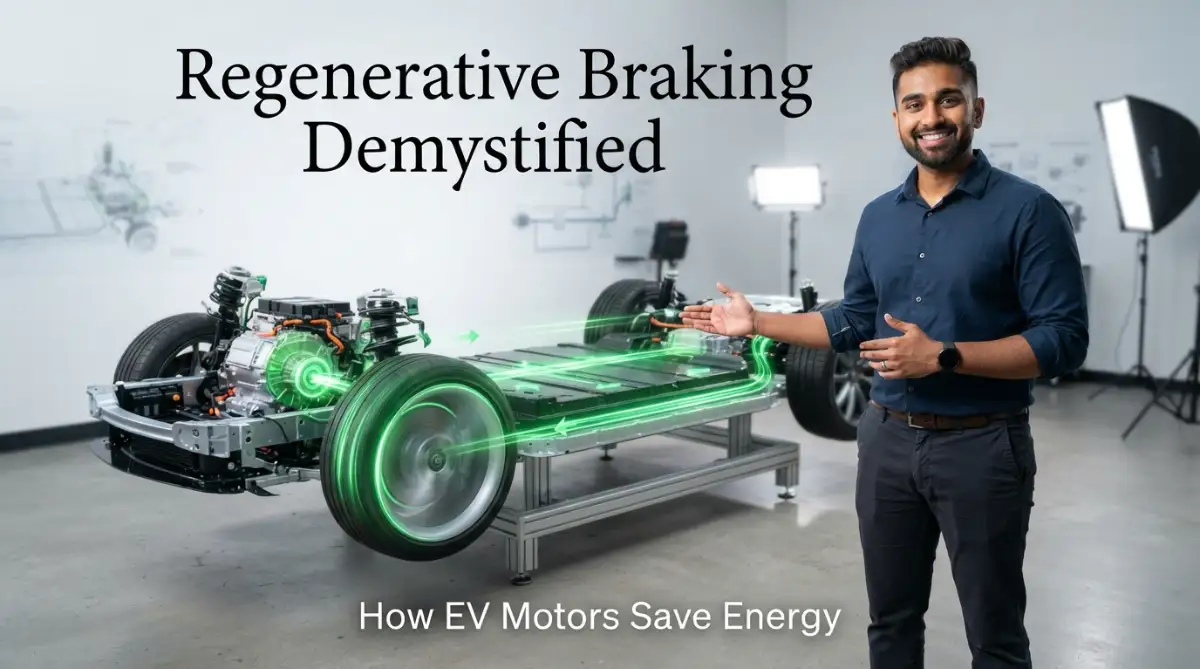
If you own a modern hybrid or an electric vehicle, your stopping system works a bit differently than traditional gas cars. These modern vehicles use electric motors to capture energy and slow you down.
We can study how regenerative braking works in electric cars to see how clean energy saves your mechanical pads from wearing out.
Because these electric motors do most of the hard stopping work, your physical brake pads can last much longer. However, this means they can easily collect moisture and surface rust from lack of regular use.
To keep your hybrid or EV brakes quiet, make sure to safely perform a firm stop once in a while to clear off any built-up rust or dirt.
Keeping Your Hydraulic Fluid Clean and Dry
The liquid inside your brake lines acts like the muscle of your entire stopping system. Over time, this hydraulic fluid naturally absorbs moisture from the air around it.
This moisture lowers the boiling point of the liquid, which can make your pedal feel soft or spongy during hard stops. In worse scenarios, wet fluid can cause internal rust inside your steel calipers and lines, leading to squeaks and sticking parts.
It is highly smart to perform easy diy car fluid checks to save your engine and money every few months. Keeping this liquid clean prevents costly internal rust and keeps your stops firm and predictable.
Lubrication Secrets of the Pros
Many home mechanics make the mistake of leaving their new metal hardware completely dry. Metal parts rubbing together under heavy loads will always find a way to vibrate and squeak.
You should apply a very thin layer of specialized ceramic grease to the back of the pads where they touch the caliper piston.
You also need to lubricate the sliding guide pins that allow the caliper to move back and forth freely.
Be extremely careful to keep this grease far away from the front of the pads and the faces of the rotors. A grease-covered friction surface can cause a dangerous loss of stopping power.
Protecting Your Brakes Against Wet Weather Rust
When your car sits outside during heavy rain or humid nights, a thin layer of rust quickly forms on the steel rotors. When you first drive away in the morning, you might hear a scraping or squeaking sound.
This sound is completely normal and is simply the pads cleaning the thin layer of rust off the metal.
However, if you leave your car parked for weeks in wet conditions, this rust can eat deeper into the metal. Deep rust will create pits on the surface of your rotors, leading to permanent noise and pedal vibrations.
If you plan to leave your car parked for a long time, try to store it in a dry garage or under a waterproof cover.

The Hidden Traps That Damage Your Braking System
When trying to fix or maintain their cars, many vehicle owners fall into easy traps. These common mistakes can turn a cheap repair into an expensive safety hazard.
The Danger of Uneven Axle Replacement
One common mistake is trying to save a quick buck by replacing only one worn pad or rotor. You should never replace stopping parts on just one side of your vehicle.
Stopping parts must always be replaced in complete pairs across the front or rear axle.
If you have brand new parts on the left side and old, worn parts on the right, your car will pull hard to one side when you brake. This uneven force can easily cause you to lose control during an emergency stop on slippery roads.
Washing Hot Wheels After a Long Drive
We all love a clean car, but spraying cold water on hot wheels is highly damaging to your rotors. When you drive, your rotors get extremely hot from normal stopping friction.
If you blast them with cold water from a hose, the metal cools down way too fast. This rapid change in temperature causes the steel rotors to warp instantly.
Once warped, you will feel a terrible pulsing sensation in your foot whenever you try to stop. Always let your wheels cool down for at least thirty minutes before washing your car.
Buying the Absolute Cheapest Parts Online
It is very tempting to scroll through discount websites to find the lowest price on car parts. However, extremely cheap parts are often made with low-grade metals and poor adhesives.
These bargain pads can crumble under heavy heat, leading to sudden pedal loss. According to safety reports from the National Highway Traffic Safety Administration, component failure due to poor quality parts is a leading cause of avoidable road accidents.
Investing in high-quality, reputable parts keeps you safe and actually saves you money by lasting twice as long.
Forgetting the Tiny Hardware Clips
When you buy new pads, they usually come with new metal clips and springs in the box. Many people throw these away and reuse the old, rusted hardware already on the car.
Old clips lose their tension over time, which allows the pads to wiggle and vibrate inside the caliper. This tiny wiggle is the source of many mysterious rattles and clicks.
Always use the fresh hardware included in your new kit to keep everything snug and quiet.
Relying Solely on Your Dashboard Warning Light
Many modern drivers assume their car will always tell them when it is time for a service. While some luxury cars have pad wear sensors, many standard vehicles do not have this feature.
If you wait for a warning light to turn on, you might end up destroying your entire braking assembly.
Use your ears and eyes instead of waiting for a dashboard light. If you hear a strange sound, inspect the system immediately.
Using the Wrong Type of Grease
Using regular grease on your brake parts is a recipe for disaster. Normal chassis grease cannot handle the extreme heat generated during stopping.
Under heavy heat, regular grease will melt and run directly onto your brake pad friction surfaces.
This will ruin the pads and make it nearly impossible to stop your car. Always use high-temperature silicone or ceramic lubricant specifically made for stopping systems.
Over-tightening Your Wheel Lug Nuts
When you put your wheels back on, it is easy to over-tighten the lug nuts using an impact gun. Over-tightening can distort the brake rotor, leading to pedal pulsation and uneven wear.
Always use a manual torque wrench to tighten your wheel bolts to the exact specifications in your owner's manual.
This simple step ensures your wheels and rotors remain perfectly flat and balanced.
Your Daily Action Plan for Quiet and Safe Drives
Keeping your car running quietly does not have to be a stressful or difficult chore. By paying attention to small sounds and taking simple steps, you can drive with absolute confidence.
Your Simple Weekend Inspection Routine
We recommend setting aside just five minutes every weekend to check on your wheels. You do not even have to get your hands dirty to do this quick check.
Start by walking around your car and looking for any heavy black dust on your front rims. While some dust is normal, a sudden increase on one side usually points to a stuck caliper pin.
Next, look through the wheel spokes to make sure your rotors look smooth, without deep grooves or dark spots.
Finally, pay close attention to how your pedal feels when you first back out of your driveway. If it feels soft or sinks too close to the floor, inspect your fluid level immediately.
A Final Word on Roadside Confidence
Taking care of your vehicle is a wonderful way to protect your family and your hard-earned savings. When you understand the sounds your car makes, you no longer have to fear the repair shop.
You become the smart owner who catches small issues before they turn into costly towing bills.
Listen closely to your car, use high-quality parts, and never ignore an angry metallic grind. Your journey deserves to be peaceful, quiet, and completely safe from start to finish.
Taking charge of your car's maintenance has given me so much peace of mind every time I get behind the wheel. You don't need to be a professional mechanic to stay safe; just keep your ears open and stay consistent with these simple checks. Start your inspection today, and you will feel much more confident knowing your car is ready for the road ahead.
Disclaimer
This guide is written for general educational and informational purposes only. Car braking systems are critical safety components, and improper repairs can lead to vehicle damage or serious injury. Always consult with a certified professional mechanic if you are unsure about performing any maintenance on your own vehicle.