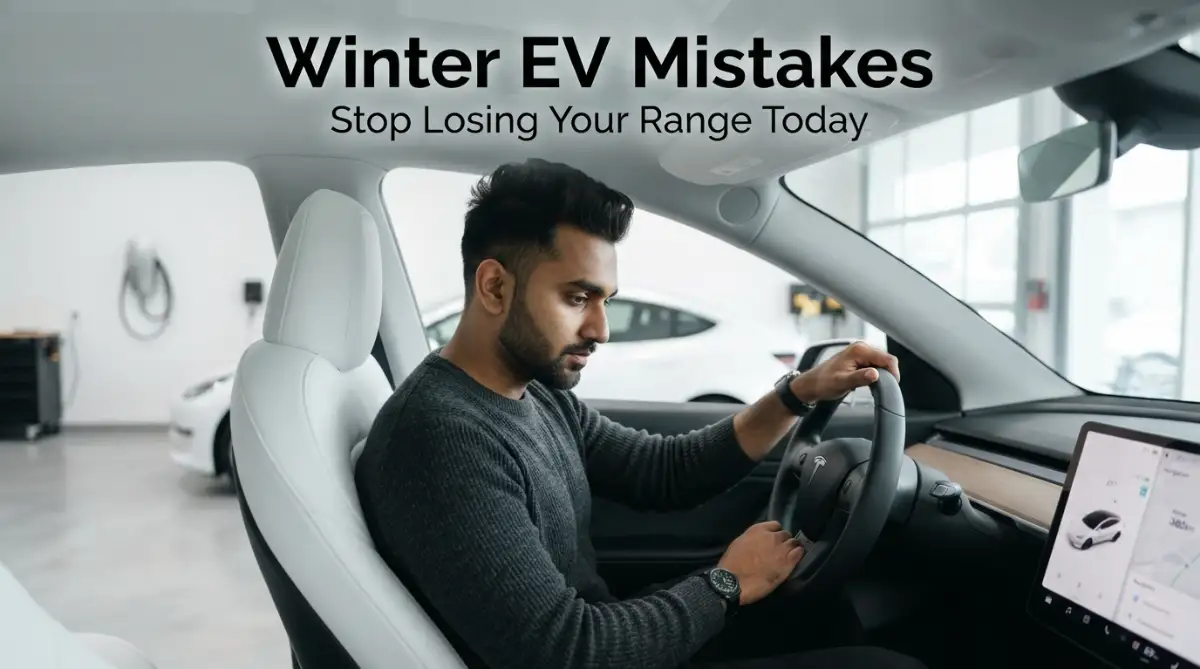
The Frozen Morning Shocker: When Your EV Range Mysteriously Vanishes
Imagine waking up early on a freezing Monday morning. You look out the window and see a thick blanket of snow covering your driveway. You grab your warm coffee, step outside, and climb into your electric vehicle.
You turn on the dashboard, expecting to see plenty of driving miles for your morning commute. Instead, you stare at the screen in disbelief. Your battery range is suddenly thirty percent lower than it was when you parked last night.
This is the cold, hard reality that thousands of new electric vehicle owners face every single winter. The sudden loss of mileage can turn a peaceful morning into a stressful rush to find a working charger. It is a frustrating feeling that makes many drivers regret leaving their gas cars behind.
For many, this range drop feels like a mysterious system failure. You might worry that your expensive battery is permanently broken or losing its health. However, the truth is much simpler and easier to manage once you understand what is actually happening.
The cold weather is not trying to ruin your car. Instead, it is simply forcing the battery to work much harder under tough physical conditions. Most of the winter mileage loss does not come from a bad battery, but from small driving and parking habits.
If you feel stressed about your electric car's performance in the snow, you are not alone. Let us look at why this happens and how you can take back control of your driving range.
The Science of Cold: Why Lithium-Ion Batteries Struggle in the Freeze
To stop the winter mileage drain, we must first look at how an electric car battery works. Most modern electric cars use lithium-ion batteries. These batteries rely on liquid chemical reactions to store and release electricity.
When the temperature drops below freezing, these liquid chemicals become thick and slow. Think of it like trying to stir a jar of cold honey compared to warm water. The lithium ions inside the battery pack struggle to move through this thick liquid.
Because of this resistance, the battery cannot release its stored energy as quickly or efficiently. This slowdown does not mean your battery is permanently damaged. It simply means the energy is locked up and harder to access until the battery warms up.
At the same time, your electric car has to use its own battery power to keep itself warm. Unlike gas cars, which use wasted engine heat to warm the cabin, electric cars must generate their own heat.
This means your battery is fighting a double battle. It must push through cold chemical resistance while simultaneously sending huge amounts of power to your cabin heater. Knowing this simple science is the first step toward stopping the drain.
The Silent Mistakes: What is Quietly Eating Your Battery Range?
Many drivers unknowingly make habits worse by treating their electric cars exactly like gas vehicles in the winter. This leads to unexpected range loss.
Let us break down the most common winter electric car mistakes and explore how to fix them today.
1. Leaving Your Car Unplugged in the Cold
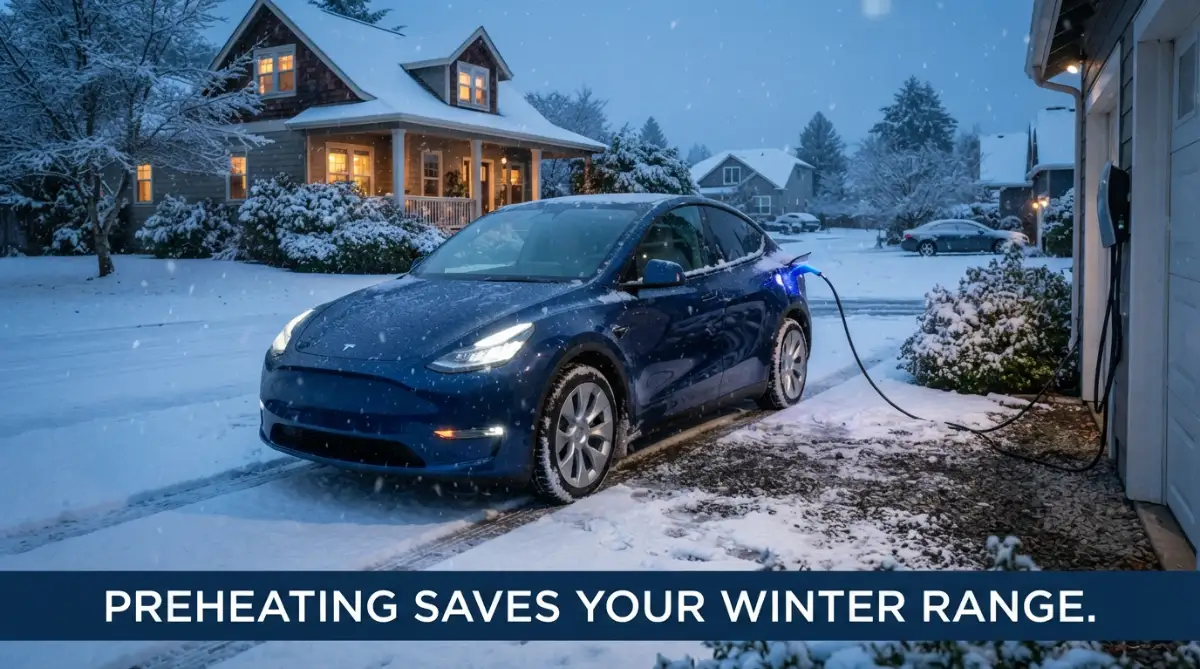
One of the biggest mistakes you can make is parking your car overnight without plugging it into a charger. When your car is unplugged in freezing weather, the battery temperature drops to matching outdoor levels.
To prevent the battery from freezing completely, the car's internal computer will turn on its own battery heater. If the car is not plugged in, this heater must draw power directly from the battery itself.
This means your car is quietly burning through its own driving range just to stay warm overnight. By the time you wake up, a big chunk of your mileage is already gone.
The fix is very simple. Always keep your car plugged in when it is parked at home during the winter months.
Even if you are using a slow, standard home outlet, this connection is incredibly helpful. The car will draw power from the wall grid to keep its battery warm, leaving your driving range completely untouched.
2. Cranking the Cabin Heater to Maximum
We all love a warm, cozy car cabin when the temperature outside is below freezing. However, turning your cabin heater up to high temperatures is a massive energy drain.
Most older electric cars use resistive heating systems. These systems work like a giant hair dryer, using raw electrical energy to heat up metal coils.
This process uses an incredible amount of power from your main battery pack. In fact, running a cabin heater on high can reduce your winter range by up to thirty percent on its own.
Instead of relying solely on the cabin air heater, try using your heated seats and heated steering wheel. These features use direct contact heat, which is much more energy-efficient.
Energy Usage Comparison: Cabin Heater vs. Heated Seats
Heating MethodAverage Power ConsumptionImpact on Battery RangeResistive Cabin Heater (High)3,000 to 5,000 WattsHigh Range Reduction (Up to 30%)Efficient Heat Pump System1,500 to 2,500 WattsModerate Range Reduction (10% to 15%)Heated Seats & Steering Wheel100 to 200 WattsExtremely Low Range Reduction (Less than 2%)
As you can see from this table, direct heating is the smarter way to stay warm. We recommend lowering the main cabin temperature to a moderate level and letting your heated seats do the heavy lifting.
3. Skipping the Battery Preheating Process
Did you know you can warm up your car while it is still plugged into your home charger? This process is called preconditioning, and skipping it is a huge missed opportunity.
If you start driving with a stone-cold battery, your car will immediately divert power to heat the pack. This means you are losing range during the first fifteen minutes of your trip.
By preconditioning your car through your smartphone app before you leave, you avoid this issue. The car uses electricity from your house to warm up both the battery and the interior cabin.
When you finally unplug and drive away, your battery is already at its sweet spot for temperature. Your car runs efficiently from the very first mile, and you start your drive with a fully warm cabin.
Try to set a departure time in your car's settings menu. This allows the vehicle to schedule its own warming process automatically every single morning.
4. Ignoring Your Tire Pressure Drops
Cold air is denser than warm air, which has a direct effect on your tires. For every ten-degree drop in outdoor temperature, your tires can lose about one pound of pressure (PSI).
Driving on underinflated tires creates more rolling resistance against the asphalt. This means your electric motor must work significantly harder to push the car forward.
Since electric vehicles are highly efficient machines, even small increases in resistance can hurt your range. Many drivers do not notice their low tire pressure until they see their range dropping.
Make it a weekly habit to check your tire pressure during the winter. Keep your tires inflated to the exact manufacturer specifications, which you can find on the driver's door frame.
This simple five-minute check can easily save you five to ten miles of driving range per charge. It also keeps your drives much safer on wet or icy winter roads.
5. Using Wrong Driving Modes on Icy Roads
Many electric cars come with specialized driving modes, but drivers often ignore them in winter. Driving in standard or sport modes on cold roads can cause your tires to slip and waste precious energy.
When your tires spin on ice or snow, your motor is spinning without moving you forward. This wastes battery power and reduces your traction control safety.
Most modern electric vehicles feature a "Eco Mode" or a dedicated "Snow Mode" in their software. These modes soften the throttle response, making your acceleration much smoother and controlled.
By preventing tire slip, you keep your drive safe while conserving battery power. It stops the motor from drawing sudden, massive spikes of energy that quickly deplete your battery level.
6. Speeding on Dense Winter Highways
It is a well-known scientific fact that cold air is much denser than warm summer air. This means your electric car must push through a thicker wall of air as you drive down the road.
At high highway speeds, this aerodynamic drag increases dramatically. If you combine dense cold air with high speeds, your battery consumption rates skyrocket.
Many drivers try to maintain their high summer speeds during winter road trips. This behavior leads to sudden, shocking drops in your remaining battery percentage.
To protect your range, try dropping your highway speed by just five miles per hour. This small change reduces aerodynamic drag significantly and keeps your battery happy.
You will arrive at your destination with much more battery left, and the drive will feel far less stressful.
Myth vs. Reality: Clearing Up Winter EV Worries
There are many myths floating around the internet about electric vehicles in cold weather. Let us clear up the confusion with some solid facts.
Myth 1: Cold weather permanently damages your battery health.
Reality: Cold weather does not permanently damage your battery cells. It only temporary reduces the battery's ability to discharge energy efficiently. Once the weather warms up in the spring, your full driving range will return naturally.
Myth 2: Electric vehicles take too long to heat up compared to gas cars.
Reality: Electric cars actually heat up much faster than gas vehicles. A gas engine must warm up before it can blow hot air. An electric heater can blow hot air within seconds of turning the car on.
Myth 3: You should always fast-charge a cold battery.
Reality: Trying to fast-charge a freezing battery can be very slow and can put unnecessary stress on the cells. Always drive your car for a bit or precondition it before plugging into a high-speed charger.
The Ultimate Smart Driver’s Winter Daily Checklist
To make these tips easy to follow, we have put together a simple daily routine. You can follow these steps to keep your battery running beautifully all winter long.
Morning Routine: Before You Drive
- Keep your vehicle plugged into your home charger overnight.
- Set your departure time in your car's app thirty minutes before leaving.
- Let the car precondition the cabin and warm the battery using grid power.
- Check your tire pressure once a week to ensure it matches the recommended PSI.
Driving Routine: On the Road
- Turn down the main cabin heater and rely more on your heated seats.
- Drive in "Eco" or "Snow" mode to prevent tire slip and save energy.
- Keep your highway speeds moderate to lower the impact of dense winter air.
- Use gentle acceleration to keep energy flow smooth and steady.
Parking Routine: After Your Drive
- Try to park in a garage or under a covered area whenever possible to block cold winds.
- Plug the vehicle back into the charger immediately while the battery is still warm.
- Clear off any heavy snow from the roof and hood to reduce excess weight and drag.
Moving Forward: Embracing a Stress-Free Winter Drive
Owning an electric vehicle in the winter does not have to be a stressful experience. Once you understand how cold temperatures affect battery chemistry, you can easily adapt your habits.
By making small changes like preconditioning, checking tire pressure, and using heated seats, you can protect your range. These simple habits will keep your daily drives safe, warm, and highly efficient.
Do not let the winter freeze slow you down or cause unnecessary range anxiety. With the right knowledge, you can drive confidently through any winter storm.
Hidden Strategies to Maximize Cold Weather Battery Power
Operating an electric vehicle in freezing temperatures does not have to be a guessing game. By understanding how your vehicle manages heat, you can easily outsmart the coldest winter days.
Modern electric cars come equipped with highly intelligent thermal management systems. These systems are designed to keep your battery pack within a healthy temperature range.
When you learn how to work with these systems, you can easily protect your vehicle from severe range loss. Let us look at some professional methods to keep your vehicle running efficiently all winter long.
The Power of Battery Preconditioning
Most drivers think preconditioning is only about warming up the passenger cabin. However, its most important job is warming the battery cells themselves.
A warm battery can accept charge much faster and release its energy with far less resistance. This is why you should always activate your car's heater while it is still connected to your home charging station.
Using this simple habit keeps your battery pack warm without draining your driving range. If you want to explore more long-term care habits, you can read about easy ways to keep your electric car battery healthy for years to maintain your car's value.
Smart Route Planning Near Charging Stations
If you plan to use a high-speed public charger, do not just drive straight to it in the freezing cold. Cold battery packs cannot accept high charging speeds because the slow chemical reaction limits the intake of current.
To solve this, many modern vehicles feature automatic battery heating when you set a charger as your destination in the navigation system. The car will begin warming the battery pack up to fifteen miles before you arrive at the station.
When you pull up to the charger, your battery is already warm and ready to receive power at maximum speed. This saves you from sitting in a cold parking lot for twice as long as necessary.
According to research from the Idaho National Laboratory research department, cold battery temperatures can increase fast-charging times by more than double. Planning your route carefully solves this issue completely.
The Warm Garage Advantage
Whenever possible, try to park your electric vehicle inside a closed garage. Even an unheated garage is usually several degrees warmer than the open driveway.
This small difference in temperature helps the battery retain its heat for a much longer time. It also means your vehicle will need less energy to warm up when you start your morning drive.
If you do not have a garage, parking close to a building wall can help block freezing winds. These little changes in parking habits can add several miles of driving range over a single winter.
Understanding Active Thermal Settings
Some electric vehicles allow you to choose how aggressively the battery heater works. If your car has a winter mode, make sure to turn it on during freezing months.
This mode ensures that the battery stays within its safe thermal zone, protecting the long-term health of the cells. While it uses a small amount of power, it prevents sudden range drops during long drives.
Neglecting these basic settings is one of the reasons many owners experience early battery issues. If you are curious about other ways you might be hurting your system, check out this guide on why your electric car battery fails common charging mistakes to keep your vehicle running smoothly.
Maximizing Energy Recovery in the Snow
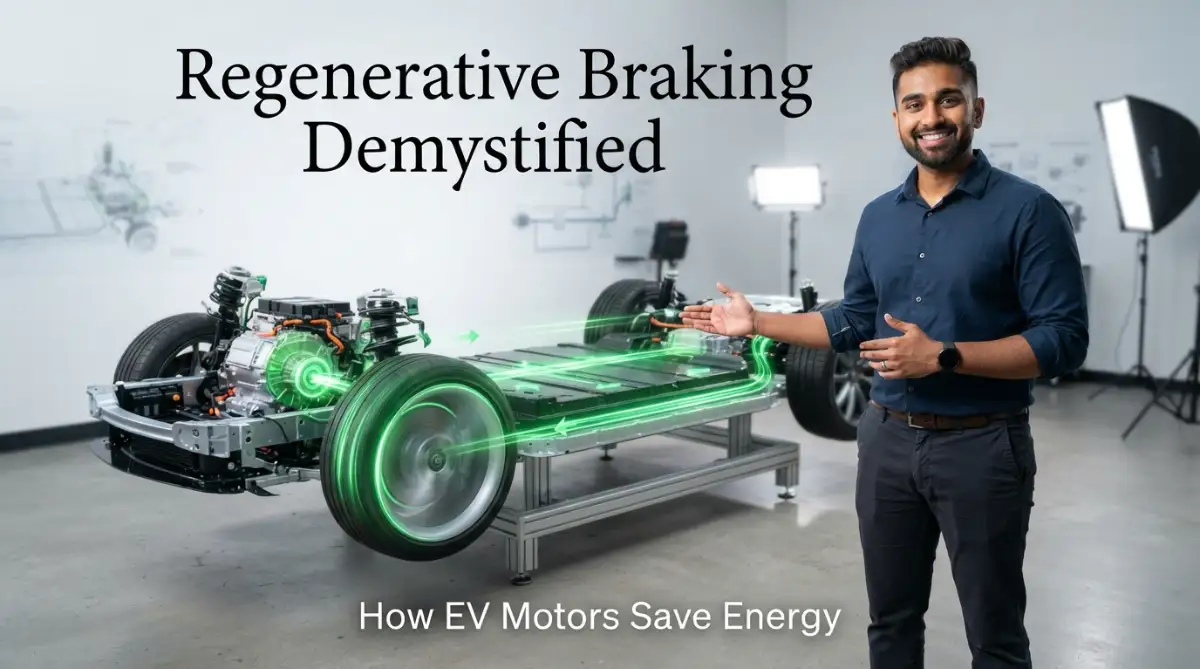
Cold temperatures also affect how your car slows down and recovers energy. When your battery is freezing, it cannot safely accept sudden rushes of electricity from regenerative braking.
This means your car will rely more on traditional friction brakes, which does not put energy back into the battery. You might notice that your vehicle feels different when you lift your foot off the accelerator.
To help you understand how this works, read this explanation on how regenerative braking works in electric cars during cold weather. Knowing how to adjust your driving style for this change is key to staying safe on icy roads.

The Dangerous Habits That Could Ruin Your Winter Journey
Sometimes, the mistakes we make in the winter are not just about losing a few miles of driving range. Certain habits can put major stress on your vehicle and even leave you stranded on the side of a freezing highway.
Many drivers carry over habits from owning gasoline vehicles, which simply do not work well with electric technology. Let us look at the most dangerous pitfalls you must avoid this winter.
Leaving the Battery at Low Charge in Freezing Cold
Leaving your electric car parked overnight with a very low battery state of charge is a recipe for trouble. If your battery is below fifteen percent, the car may not have enough energy to run its own thermal management system.
When this happens, the liquid chemicals inside the battery pack can cool down to freezing temperatures. This causes deep chemical stress on the battery cells and can lead to permanent damage.
In some cases, the battery may refuse to start the vehicle at all until it is moved to a warm space. Always make sure to park your vehicle with at least thirty percent charge during freezing nights.
Overloading Your Home Electrical Connection
During the winter, your home heating systems are already running at high capacity. If you plug in a high-powered electric vehicle charger without checking your home electrical system, you could overload your panel.
This can cause your main breaker to trip, leaving your home in the dark and cold. It also means your car will not charge overnight, leaving you stranded the next morning.
To avoid this dangerous situation, you need to understand your home electrical limits. Learn how to set up your first home ev charger without tripping your breaker to ensure safe and steady charging all winter.
Neglecting Heavy Snow Accumulation
Leaving a heavy layer of snow and ice on top of your electric vehicle is highly dangerous. The extra weight of the wet snow forces your motor to work harder, which quickly drains your battery.
Additionally, flying ice from your roof can easily damage other vehicles on the highway. Always clear your car completely, including the hood, roof, and trunk, before you start driving.
This simple step ensures your vehicle remains aerodynamic and safe for everyone on the road. It also keeps your windshield clean and prevents your wipers from burning out.
Using Cheap Portable Cabin Heaters
Some drivers try to save battery range by plugging cheap portable space heaters into the car's accessory outlets. This is an extremely dangerous habit that can cause electrical fires.
The electrical wiring in your car is not designed to handle the heavy current draw of these cheap devices. It can melt the wiring and cause expensive damage to your car's computer systems.
Always rely on your vehicle's built-in heating systems, which are fully tested and certified for safety. Saving a few miles of range is never worth risking a dangerous vehicle fire.
Ready for the Cold: Your Quick Morning Action Plan
To make your winter driving experience smooth and stress-free, we have created a simple morning checklist. Following these easy steps will ensure you never have to deal with unexpected range drops.
The Golden Do's and Don'ts of Winter EV Driving
Here is a quick reference guide to help you make the right choices every single day.
- DO keep your car plugged into a charger whenever it is parked at home.
- DO warm up your car using your smartphone app while it is still plugged in.
- DO use heated seats instead of blasting the cabin heater at high temperatures.
- DO drive at moderate speeds on the highway to reduce cold air resistance.
- DON'T let your battery level drop below twenty percent during freezing weather.
- DON'T try to use high-speed public chargers with a stone-cold battery pack.
- DON'T ignore your weekly tire pressure checks, as cold air drops tire pressure.
Your Step-by-Step Daily Routine
- Step One: Before you go to bed, make sure your car is plugged into your home charger and scheduled to finish charging shortly before you leave.
- Step Two: Twenty minutes before your departure, turn on the cabin heating system using your phone app to warm the battery and the interior.
- Step Three: Clear all snow and ice off the car to keep it light and aerodynamic.
- Step Four: Once you get inside, set your cabin heater to a comfortable sixty-eight degrees and turn on your seat heaters.
- Step Five: Drive smoothly in Eco mode and enjoy a warm, efficient journey with plenty of range to spare.
For more helpful driving and safety tips during difficult weather conditions, you can check out the official winter safety guides on the National Highway Traffic Safety Administration website. Taking these simple steps will make winter driving a breeze.
With a little bit of preparation, you can enjoy all the benefits of electric driving even during the coldest months. Your battery will stay healthy, your range will remain steady, and you will never have to worry about getting stranded in the snow.
Disclaimer
The information provided in this article is for educational and informational purposes only. Electric vehicle systems can vary widely by manufacturer and model. Always consult your vehicle's official owner's manual for specific instructions regarding cold weather operation, charging, and safety guidelines.