
The Day I Let My Friend Borrow My Car—And My Stomach Dropped
Tossing your car keys to a friend who needs a quick ride feels like a harmless favor until you start wondering what happens if they crash. Most car owners assume everything is fine, completely unaware that their personal insurance is riding shotgun. That blind trust can cost you thousands if an accident happens on your watch.
Would my insurance cover him, or would he be left on his own? Would a mistake on his part end up ruining my clean driving record and my bank account? That afternoon was filled with Google searches, confusing legal terms, and a lot of unnecessary stress. I felt completely lost in a sea of confusing rules that did not make any sense.
Many of us face this exact worry because we want to help our friends and family members. We want to be nice, but the fear of financial ruin constantly hangs over our heads. It is incredibly exhausting to worry about your hard-earned money and peace of mind over a simple favor. You should not have to choose between being a good friend and protecting your financial future.

Key Takeaways Before Handing Over Your Keys:
- Auto insurance almost always follows the vehicle, meaning your policy pays first if a friend crashes.
- Permissive use covers invited drivers, but some policies reduce your limits for guest operators.
- Always check that the driver has an active license and their own policy to avoid massive financial exposure.fVerify the Driver's License status.
The Golden Rule: Does Insurance Follow the Car or the Driver?
Many people believe that car insurance is tied directly to the person holding the steering wheel. This is one of the biggest mistakes you can make when sharing your vehicle. In almost every situation, auto insurance follows the vehicle itself rather than the person driving it.
If you lend your car to a friend, you are essentially lending your auto policy along with it. Your insurance company will be the primary source of coverage if an accident occurs. This means your policy pays for the damages first, regardless of who was behind the wheel.
Understanding this basic concept is the first step to avoiding a major financial mistake. It helps you see that handing over your keys is a major legal agreement. You are putting your own financial protection on the line every single time.
Why Your Policy is the Primary Line of Defense
When an accident happens, the insurance policy attached to the vehicle is called the primary insurance. This policy must pay out up to its specific limits before any other coverage can start. It covers property damage, bodily injuries, and physical damage to your own vehicle.
Only after your limits are completely exhausted will the driver's personal insurance step in. This second layer is known as secondary or excess coverage. It acts as a safety net, but it only helps if the damage is truly massive.
The Financial Risk of Being the Primary Policyholder
Because your policy pays first, any claim filed will go directly onto your personal insurance record. This means your insurance premium could skyrocket even if you were sitting at home on the couch. Your history will show an accident claim, which can stay with you for several years.
Permissive Use: The Legal Power of Saying "Yes"
To understand how coverage works, you must learn about a concept called permissive use. Permissive use simply means you gave the driver explicit or implied permission to operate your vehicle. Most standard auto insurance policies cover permissive drivers automatically.
If you give your friend verbal permission to drive, they are usually protected under your policy. This coverage typically extends to friends, neighbors, and extended family members who do not live with you. However, this coverage might have different limits depending on your insurance provider.
Do you want to see a real-world breakdown of how insurance claims are handled when another driver is at fault? Watch this helpful video to see how insurance companies investigate these situations.
The Difference Between Explicit and Implied Permission
Explicit permission is very clear and direct, like handing someone the keys and saying "yes." Implied permission is a bit more complicated and depends on your past actions. If you always let your roommate use your car without asking, a court might view that as implied permission.
However, relying on implied permission can lead to major disputes with your insurance company. If an accident happens, the insurer might try to argue that the driver did not have consent. It is always safest to have a clear, verbal agreement before anyone starts the engine.
Limitations on Permissive Use Coverage
Some insurance companies reduce your coverage limits when a permissive driver is operating the car. For example, your full coverage might drop down to the state minimum limits for guest drivers. This can leave you highly exposed to lawsuits if a major accident happens.
For instance, my cousin found out the hard way when his friend borrowed his sedan and hit a parked van. Because his policy featured a strict guest driver penalty, his coverage limits dropped by half, leaving him to cover the remaining repair costs out of pocket.
You should always read the fine print of your policy to see if a guest driver clause exists. Calling your agent to clarify this detail can save you thousands of dollars later. It is a quick call that offers massive peace of mind.
Non-Permissive Use: What Happens When Someone Takes Your Car Without Asking?
Non-Prermissive use happens when someone drives your vehicle without your consent. This can include a stranger stealing your vehicle, or a friend taking your keys without asking. In these cases, the insurance rules change completely.
If a thief steals your car and crashes it, you are generally not held responsible for the damage they cause to others. Your comprehensive coverage will pay for the damage to your own car, minus your deductible. The thief's actions will not affect your liability record.
When Friends or Family Drive Without Permission
Things get much more complicated when a friend or family member takes your car without asking. Insurance companies usually assume that family members have permission to drive your vehicle. Overcoming this assumption requires a lot of proof and can create terrible family tension.
To prove non-permissive use, you might have to file a formal police report against your friend. Many people are unwilling to do this because they do not want their loved ones to face criminal charges. If you do not file a report, your insurer will likely treat the situation as permissive use.
The True Cost of Non-Permissive Claims
Even if you successfully prove the use was unauthorized, the process is incredibly stressful. You will have to deal with investigators, fill out endless paperwork, and wait for approvals. Your car might sit in a repair shop for weeks while the legal details are sorted out.
This is why keeping your car keys in a safe, private place is highly recommended. It prevents accidental misunderstandings and keeps unauthorized drivers away from your steering wheel. Prevention is always much easier than dealing with a complex insurance claim.
Myth vs. Reality: Common Misconceptions About Shared Driving
There are many myths surrounding car insurance that can lead to expensive mistakes. Let us bust some of the most common myths so you can stay fully informed.
- Q: Does my friend's insurance pay for damages first if they crash my car?
- A: No, your own auto insurance policy is almost always treated as the primary payer, meaning your rates and record take the direct hit.
The Dangerous Myth of "Full Coverage"
Many people assume that having "full coverage" means they are protected in every single scenario. Full coverage simply means you have liability, collision, and comprehensive insurance. It does not mean your policy will cover unlisted drivers who use your car daily.
If a roommate drives your car regularly without being listed, your claim could be denied entirely. Insurance companies expect all household drivers to be declared on the policy. Skipping this step to save money is a recipe for disaster.
Real-Life Scenarios: What Actually Happens in These Cases?
Let us look at some common scenarios to see how insurance companies handle different situations. These examples will help you visualize how the rules apply to daily life.
Scenario A: Your Friend Causes a Fender Bender
Imagine you let your neighbor borrow your truck to move some furniture, and they back into a parked car. Since you gave permission, your liability insurance will pay for the damage to the other car. Your collision coverage will pay for your truck, but you will have to pay the deductible.
Your neighbor’s insurance will not pay a single cent unless the total damage exceeds your policy limits. This means your insurance company handles the entire claim, and your rates will likely increase.
Scenario B: An Uninsured Friend Drives Your Car
This is one of the most dangerous situations you can encounter. If you let an uninsured friend drive and they cause an accident, your policy is the only protection available. If the damages go over your limits, injured parties can come after your personal assets.
You could lose your savings, your home, or have your future wages garnished. Never lend your vehicle to someone who does not have their own active auto policy. It is simply too much of a risk to take.
Step-by-Step Action Plan Before Lending Your Keys
If you must lend your vehicle, you should take a few steps to protect yourself. Following this checklist will minimize your risks and prevent future headaches.
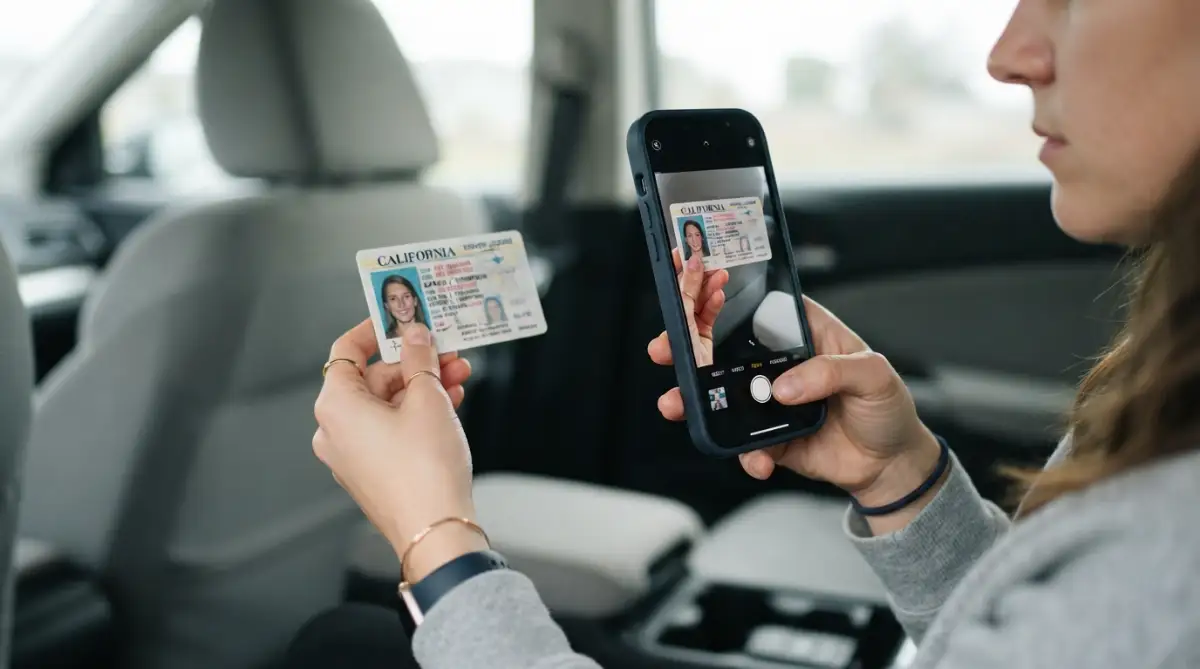
- Step 1: Verify the Driver's License status. Make sure their license is active, valid, and not suspended.
- Step 2: Ask about their personal auto insurance. Confirm they have active coverage that can serve as a secondary shield.
- Step 3: Set clear boundaries. Tell them exactly where they can go and when they need to return the vehicle.
- Step 4: Check your own policy limits. Ensure you have high enough liability limits to handle a worst-case scenario.
My Personal realization: I used to think lending my car was a simple act of kindness that required zero thought. After reviewing my own coverage limits, I realized I was risking my entire financial future just to save a friend a few dollars on an Uber ride. Now, I always make sure the driver has their own active insurance, and I limit car sharing to emergencies only.
Protect Your Ride and Your Peace of Mind
Lending your car is a generous act, but it comes with real responsibilities and financial risks. By understanding that your insurance follows your car, you can make much smarter choices. Always check your policy, set clear limits with your friends, and never hesitate to say "no" if you feel unsafe. Your financial security is far too important to leave to chance.
Advanced Strategies to Protect Your Policy and Your Wallet
Handing over your car keys is a big deal. It is a lot like lending someone your personal credit card. If you want to keep your insurance rates low and protect your hard-earned savings, you need some smart strategies.
Understanding how to manage your policy can save you from massive financial headaches down the road. Let us look at some professional methods to protect your assets while remaining a helpful friend.
The Power of Driver Exclusion Lists
Sometimes, the best way to protect your auto policy is to tell your insurer exactly who is not allowed to drive your vehicle. This is done through a legal process called named driver exclusion.
An excluded driver is someone you specifically list on your policy as having no coverage under any circumstances. If they take your car and crash it, your insurance company will not pay a single cent.
This option is highly useful if you live with someone who has a terrible driving record or a recent DUI. By excluding them, you protect your policy from high premium spikes and keep your rates stable.
Why You Need to Declare Every Resident in Your House
Many people do not realize that insurance companies require you to list every licensed driver living under your roof. Insurers assume that anyone living in your home has regular access to your vehicle.
If a roommate or relative drives your car and gets into a crash without being on your policy, the claim can be rejected. This is a common way people lose their coverage completely.
To avoid this, update your policy whenever someone moves in or out of your home. Keeping your list of household drivers current is an easy way to prevent denied claims.
Using Non-Owner Car Insurance for Extra Safety
If your friends borrow cars frequently but do not own a vehicle, they should look into non-owner car insurance. This is a special, affordable policy designed for people who drive but do not own a car.

It acts as secondary liability coverage when they are driving your vehicle. If they cause an accident, their non-owner policy helps pay for the damage after your policy limits are reached.
This setup provides an extra layer of financial security for both you and your friend. You can read more about industry standards for these special coverages on the official National Association of Insurance Commissioners website.
How to Safely Hand Over Your Keys in an Emergency
If you absolutely must let someone drive your car unexpectedly, do not just toss them the keys. Take a quick moment to take a photo of their valid driver's license with your phone.
Send a quick text message to them confirming that they have your permission to use the car for a specific task. Having this simple digital paper trail can protect you if any legal disputes happen later.
It is also highly recommended to keep a physical copy of your insurance card in your glove box at all times. This ensures your guest driver can easily show proof of coverage if they get pulled over by the police.
Setting Up a Shared Driving Agreement
For roommates or close friends who share a car often, a written agreement is a smart move. This does not need to be a formal legal contract written by an expensive lawyer.
A simple, signed piece of paper stating who pays the deductible in an accident is enough. It outlines who is responsible for out-of-pocket costs and prevents friendship-ending arguments.
Knowing how copays, coinsurance, and deductibles work helps you write a clear agreement that keeps everyone on the same page. This keeps expectations realistic and fair for all parties involved.

Severe Blind Spots That Can Ruin Your Financial Life
Many well-meaning car owners make simple mistakes that end up costing them thousands of dollars. These blind spots usually happen because we want to trust our friends and family completely.
However, insurance companies look at numbers and legal contracts, not personal relationships. Failing to understand these rules can lead to a canceled policy and personal lawsuits.
The Hidden Trap of Commercial Use
One of the biggest mistakes today is letting a friend borrow your car to do commercial work. This includes driving for ride-sharing apps, delivering food, or moving business equipment.
Standard personal auto policies do not cover any commercial activities. If your friend crashes your car while delivering food, your insurer will deny the claim immediately.
This leaves you personally responsible for all the medical bills and property damage. If you run a side business, you should always try to avoid commercial property insurance gaps to stay fully protected.
Assuming Your Friend’s Insurance is Always the Solution
Many people falsely believe that their friend’s personal auto insurance will cover everything. They assume that if their friend causes an accident, their friend's policy pays first.
As we learned earlier, auto insurance almost always follows the physical car first. Your friend’s policy will only help if your own policy limits are completely dried up.
Relying on this assumption can leave you facing massive out-of-pocket bills before your friend's insurance even begins to help. You can check the legal guidelines on vehicle liability through the Insurance Information Institute for more details.
Ignoring the Reality of Severe Injuries
If your friend crashes your car and hurts someone else, the medical bills can easily reach six figures. If your liability limits are too low, the injured party can sue you to collect the remaining balance.
This means your savings, your property, and your investments could be taken to pay off the debt. A simple favor can instantly turn into a lifetime of financial struggle.
If a crash causes long-term health issues, knowing how much disability insurance do you need is a great way to see how lost income is managed. It shows how expensive bodily injuries can become over time.
Letting Unlicensed or Suspended Drivers Behind the Wheel
Sometimes, a friend might ask to drive because they are tired, even though their license is suspended. Allowing an unlicensed driver to operate your vehicle is a serious legal violation.
Your insurance company will almost certainly deny any claims resulting from their driving. You could also face criminal charges for knowingly letting an unlicensed person drive your car.
Always ask to see a physical license before letting anyone drive, no matter how well you know them. This simple check takes ten seconds and protects you from massive legal trouble.
Moving Forward with Ultimate Confidence
Protecting your vehicle does not mean you have to stop being a helpful and kind person. It simply means you are making smart, informed decisions that protect your future.
By setting clear boundaries, verifying licenses, and understanding your policy limits, you can share your vehicle safely. You will never have to worry or feel that sudden wave of panic when someone else is driving.
Taking control of your auto coverage is just one part of keeping your life secure and stress-free. You can also explore how to reduce your home insurance bills by managing risk to save even more money on your monthly expenses.
If you ever feel unsure about your coverage, call your insurance agent to ask for a policy review. They can explain your guest driver rules in plain, simple terms so you have total clarity.
For more helpful guides on protecting your assets, check out the resources available on TrustPicksHQ today. Taking action now ensures you are prepared for whatever happens on the road.
I used to live with constant anxiety every time I let my family borrow my sedan. Once I updated my policy and set clear ground rules, that heavy weight completely lifted from my shoulders. You deserve to have that same peace of mind every time you share your keys.
Common Questions About Guest Drivers and Auto Policies
Does my insurance premium go up if my friend gets a speeding ticket in my car?
No, moving violations like speeding tickets are tied to the driver's personal record. The ticket will go on your friend's driving history and will not affect your insurance rates.
What happens if my friend gets into an accident that is not their fault?
If another driver causes the accident, that at-fault driver's insurance will pay for the damage. Your own policy will not have to pay out, and your rates should stay the same.
Can I verbally exclude a household member from my policy?
No, verbal agreements do not hold up with insurance companies. To exclude a driver, you must sign a formal named driver exclusion form provided by your insurer.
Does my policy cover someone who borrows my car for a long road trip?
Yes, as long as you gave them permission, they are covered under your standard permissive use rules. However, make sure your policy limits are high enough to cover long-distance driving risks.
Disclaimer
This article is for informational purposes only and does not constitute professional legal or financial advice. Insurance policies vary widely by state, country, and provider. Always review your specific policy terms and consult with a licensed insurance agent before making decisions about lending your vehicle.


