The Hidden Stress of Rising Home Insurance and the Reality We Face
I still remember the day my mail carrier dropped off my annual home insurance bill. I opened the envelope expecting a small change, but my heart stopped when I saw the final number. My premium had jumped by almost forty percent in just one single year.
I sat at my kitchen table, feeling a cold sweat wash over me as I stared at the bill. It felt like a sudden punch to my wallet, and I had no idea how I would pay for it without hurting my family's budget. This is not just my story as millions of regular homeowners are facing this exact same nightmare every single month.
You work so hard to buy a house, hoping it will be your safe place. Then, out of nowhere, these rising insurance bills threaten to take away your peace of mind. Many families have to make painful choices just to keep their homes covered.
They cut back on fresh groceries, cancel small weekend trips with their kids, or skip basic medical checkups. The mental strain is heavy and constant. You lay awake at night, wondering if the next bill will be the one that finally breaks your budget.
It feels like you are trapped in a system where you have zero control. You pay your premium on time every year, but the rates keep climbing anyway. This constant worry ruins the joy of owning your own home, making you feel helpless and stressed.
When I realized this, I spent weeks studying how insurance companies actually calculate their prices. I discovered that you do not have to accept their first offer. By understanding how they view risk, you can make smart changes to your property that force them to lower your rates legally.
I
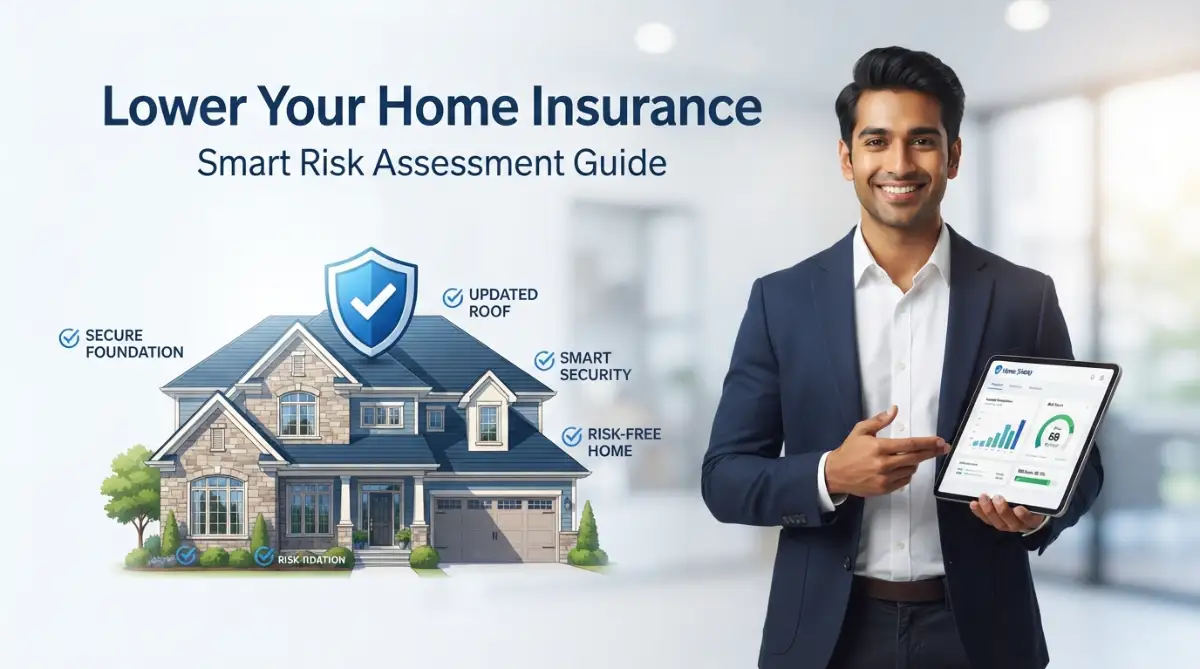
Your Practical Guide to Cutting Insurance Costs Through Risk Upgrades
Understanding How Insurers See Your Home
Insurance companies are all about math and probability. They look at your home as a list of potential disasters waiting to happen. If they think your home is likely to burn down or flood, they charge you a lot more money.
When you perform a personal risk assessment, you look at your home through their eyes. You find the weak points that make your home look dangerous to an underwriter. Fixing these weak points is the key to getting a cheaper premium.
Strengthening Your Roof to Defeat the Wind
Your roof is the first line of defense against storms and high winds. Insurance companies worry a lot about wind damage because it leads to expensive claims. If your roof is old or weak, your rates will reflect that danger.
One of the best things you can do is get a wind mitigation inspection. A licensed inspector will check how your roof is attached to your home's walls. They look for special clips, wraps, and water barriers that keep the roof in place during a storm.
If your roof has these safety features, your insurer is often legally required to give you a big discount. In some states, this single step can cut your premium by up to thirty percent. It is a simple upgrade that pays for itself very quickly.
Stopping Water Damage Before It Starts
Water damage is one of the most common reasons homeowners file insurance claims. A broken pipe or a leaky washing machine can ruin your floors and walls in minutes. Insurers hate water claims because mold can grow fast and cost a fortune to clean up.
To lower this risk, you can install an automatic water shut-off valve. This smart device monitors the flow of water through your main pipe. If it detects a leak, it instantly shuts off the water to protect your home.
When you tell your insurance company you have this system, they see you as a low-risk client. Many companies offer a steady discount for homes with active water defense systems. It gives you great peace of mind while saving you cash.
Fire Protection and Why Location Matters
Fire is another major threat that keeps insurance underwriters awake at night. They look closely at how close your home is to a local fire station. They also check if there is a working fire hydrant near your property line.
While you cannot move your house closer to a fire station, you can improve your internal fire safety. Installing smoke detectors in every bedroom is a great first step. Even better, you can connect these detectors to a central monitoring center.
A monitored alarm system notifies the fire department automatically if smoke is detected. This quick response time can save your home from total destruction. Insurers love these systems and reward homeowners with lower annual bills.
The Defensible Space Strategy
If you live in an area prone to wildfires, you need to create a defensible space around your home. This means clearing away dry brush, tall grass, and dead trees within thirty feet of your house.
Keeping your gutters clean of dry leaves also reduces the chance of flying embers catching fire. These simple yard chores cost almost nothing but your time. Yet, they dramatically lower your risk profile in the eyes of insurance inspectors.
Making Your Deductible Work for You
Your deductible is the amount of money you pay out of pocket before your insurance starts paying. Many people keep their deductible very low, like five hundred dollars. This makes their monthly or annual premium much higher than it needs to be.
If you raise your deductible to one thousand or even two thousand five hundred dollars, your premium will drop instantly. Just make sure you keep that deductible amount saved in a secure bank account for emergencies.
Pro Tip: I used to keep my deductible at five hundred dollars because I was afraid of sudden repairs. When I raised it to two thousand dollars, my annual premium dropped by over twenty percent immediately. I simply put that saved cash into a separate emergency savings account, and I have never regretted making that choice.
Smart Home Security Upgrades
Thieves look for easy targets, and so do insurance companies. A home without security is a major risk for theft and vandalism claims. Adding basic security features makes your home a much harder target.
You do not need to spend thousands of dollars on fancy setups. Simple smart doorbells, outdoor cameras, and deadbolt locks can make a big difference. These devices deter criminals and show your insurer that you care about protecting your property.
Watch this quick video to see how simple home safety upgrades can instantly trigger big discounts on your next insurance bill.
This visual guide will help you understand which upgrades give you the biggest return on your investment. Let us now look at how your claim history affects your overall risk rating.
Guarding Your Claims History
Every time you file a claim, it goes into a national database that all insurance companies share. If you file multiple small claims, insurers will label you as a high-risk homeowner. This label will cause your premium to skyrocket for years to come.
Before you file a claim for minor damage, do some simple math. If the repair cost is only slightly higher than your deductible, pay for it yourself. Saving your insurance policy for major disasters keeps your record clean and your rates low.
A clean claims history shows that you are a responsible homeowner who maintains their property. Insurers often offer "claim-free discounts" to reward this behavior. Over time, these discounts add up to massive savings.
Comparing Risk Upgrades and Savings
To help you plan your next steps, here is a simple breakdown of common upgrades and their potential impact on your rates.
Note: Actual savings depend on your location and insurance provider.
The Power of a Professional Risk Assessment
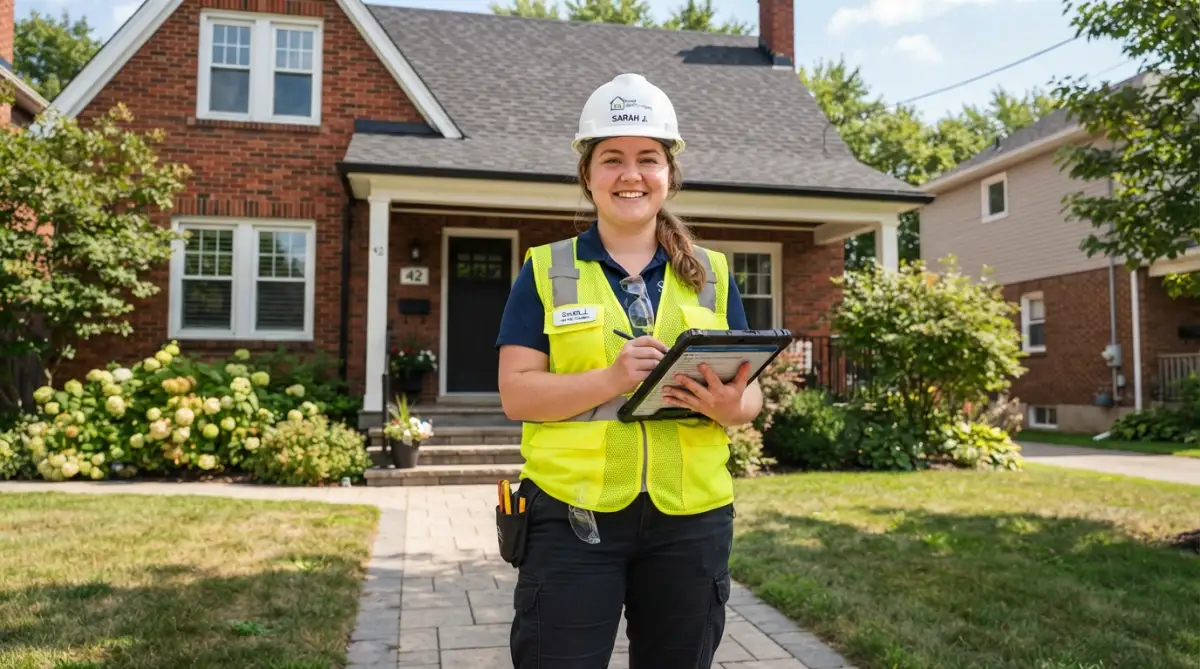
Many homeowners do not realize they can ask for a professional risk assessment. You can hire an independent inspector to check your home for safety gaps. They will give you a detailed report on what needs fixing.
Once you make the suggested repairs, send the report and receipts to your insurance agent. This active approach shows that you are taking steps to protect your property. It gives your agent the proof they need to apply every discount you deserve.
Never assume your insurance company knows about the upgrades you make. You must be your own advocate and present the evidence clearly. Keeping good records of all your home improvements is a key part of this process.
Checking for Hidden Discounts
Sometimes, lowering your premium is as simple as asking your agent the right questions. Many insurers offer discounts that they do not advertise openly on their websites. You have to ask for them directly during your annual review.
For example, some companies offer discounts if you belong to certain professional groups or alumni associations. Others offer price cuts if you retire, because retired people spend more time at home and can spot emergencies quickly.
Always ask your agent to run a full review of your policy once a year. Tell them about any changes in your lifestyle or home structure. You might be surprised at how many small discounts you can stack together.
Why Maintenance is Part of Risk Reduction
Regular home maintenance is not just about keeping your house looking nice. It is a key part of reducing your risk of expensive damage. Simple chores can prevent major disasters that lead to costly insurance claims.
For instance, trimming tree branches away from your roof prevents storm damage. Cleaning your dryer vent regularly lowers the risk of a dangerous house fire. Repairing minor foundation cracks stops water from entering your basement.
When an insurance inspector visits your property, they look for signs of neglect. If they see peeling paint, clogged gutters, or damaged siding, they might raise your rates or cancel your policy. Taking care of your home keeps you safe and keeps your premiums affordable.
The Impact of Your Credit Score on Insurance Risk
In many areas, insurance companies use a credit-based insurance score to decide your premium. They have found a link between financial stability and responsible home maintenance. A higher score often leads to a lower premium.
You can lower your insurance risk profile by managing your debts wisely. Pay your bills on time and check your credit report for errors regularly. Improving your score can lead to significant savings on your home insurance.
Bundling Policies for Maximum Impact
Another simple way to reduce your risk rating is to buy multiple policies from the same company. If you bundle your home and auto insurance, the company sees you as a more valuable client.
This loyalty often leads to a major discount on both policies. It also makes managing your insurance much easier because you only deal with one company. Ask your agent for a bundle quote during your next review.
Understanding Your Home's Rebuilding Cost
Many people confuse the market value of their home with its rebuilding cost. The market value includes the land, which cannot burn down or blow away in a storm. You only need to insure the cost of rebuilding the actual structure.
If your policy is based on market value, you might be paying for way too much coverage. Ask your agent to calculate the actual rebuilding cost of your home. Adjusting this limit can lower your premium while still keeping you fully protected.
Your Path to Lasting Savings
Taking control of your home insurance does not happen overnight. It is a step-by-step process of evaluating risks and making small, smart improvements. Each upgrade you make protects your family and lowers your bills.
Do not let rising premiums make you feel helpless. Start with one simple change today, like updating your deadbolts or reviewing your deductible. Over time, these actions will add up to massive savings and restore your peace of mind
Advanced Risk Mitigation: Expert Secrets for Maximum Savings
Unlocking the Power of Professional Engineering Reports
Many homeowners do not realize that basic home inspections only scratch the surface. To get the deepest discounts, you can hire a structural engineer to perform a specialized wind and water risk assessment.
These experts use advanced tools to test the strength of your home's foundation and frame. They provide a certified document that proves your home can handle severe weather conditions.
When you submit this official report to your underwriter, it shifts the negotiation in your favor. Insurance companies trust certified engineering data much more than basic self-reporting forms. For more details on preparing your home's defenses, you can read about how to reduce your home insurance bills by managing risk to set up a solid plan.
Upgrading Your Electrical System for Fire Safety
Old electrical wiring is a leading cause of devastating house fires. Insurance providers know this risk all too well, and they price older homes with outdated systems much higher.
If your electrician finds and fixes these issues, ask them to write a formal safety clearance letter. Sending this letter to your provider shows you are taking active steps to prevent a fire. They will often reward your responsibility with a lower annual premium.
Joining Community-Wide Risk Programs
You do not have to fight high insurance rates entirely on your own. Many communities participate in wildfire and storm safety programs organized by local governments.
For example, communities that meet the standards of the National Fire Protection Association can earn a special safety rating. This rating is based on community-wide cleanup days and safety education.
In many areas, insurance providers are legally required to offer discounts to homeowners in these recognized zones. You can check the Insurance Institute for Business & Home Safety to see what safety programs apply to your specific area. Joining forces with your neighbors makes everyone safer and lowers everyone's bills.
Keeping Your Smart Sensors Connected
Smart home technology is only useful if it stays online and active. Many homeowners install smart water leak detectors but forget to check their internet connection.
If your Wi-Fi drops, your smart safety sensors can no longer send alerts during an emergency. This offline state leaves your home unprotected and can void your smart home discount. If you run into connectivity issues with your safety tech, you can learn how to fix older smart home devices dropping Wi-Fi to keep your system online.
Make it a habit to check your smart home app at least once a month. Ensure every moisture sensor, smoke detector, and camera shows a strong signal. Keeping these systems running smoothly is a simple way to maintain your low-risk status.
Securing Your Home Against Earthquake and Soil Risk
Soil shifting and minor ground movements can cause major structural issues over time. Insurance companies closely analyze soil maps to determine the risk of foundation failure.
You can mitigate this risk by installing helical piers or reinforcing your basement walls. These structural upgrades keep your home stable even during minor ground shifts.
Once these reinforcements are in place, have a local inspector sign off on the work. Showing your provider that your foundation is secure helps protect you from premium increases. For additional resources on home safety, you can explore the Federal Emergency Management Agency to view hazard maps for your region.
Navigating Local Building Code Upgrades
Building codes change regularly to reflect new safety research and building materials. If your home was built decades ago, it might not meet modern safety standards.
Upgrading your home to meet these new codes reduces your risk of severe storm damage. Focus on upgrading your window shutters, garage doors, and exterior siding to wind-resistant materials.
When your home meets or exceeds current codes, your risk rating drops significantly. This proactive approach shows your insurer that your property is highly resilient. It is one of the most reliable ways to secure long-term premium discounts.
The Costly Traps: Mistakes That Make Your Premiums Skyrocket
Hiding Property Upgrades and Changes
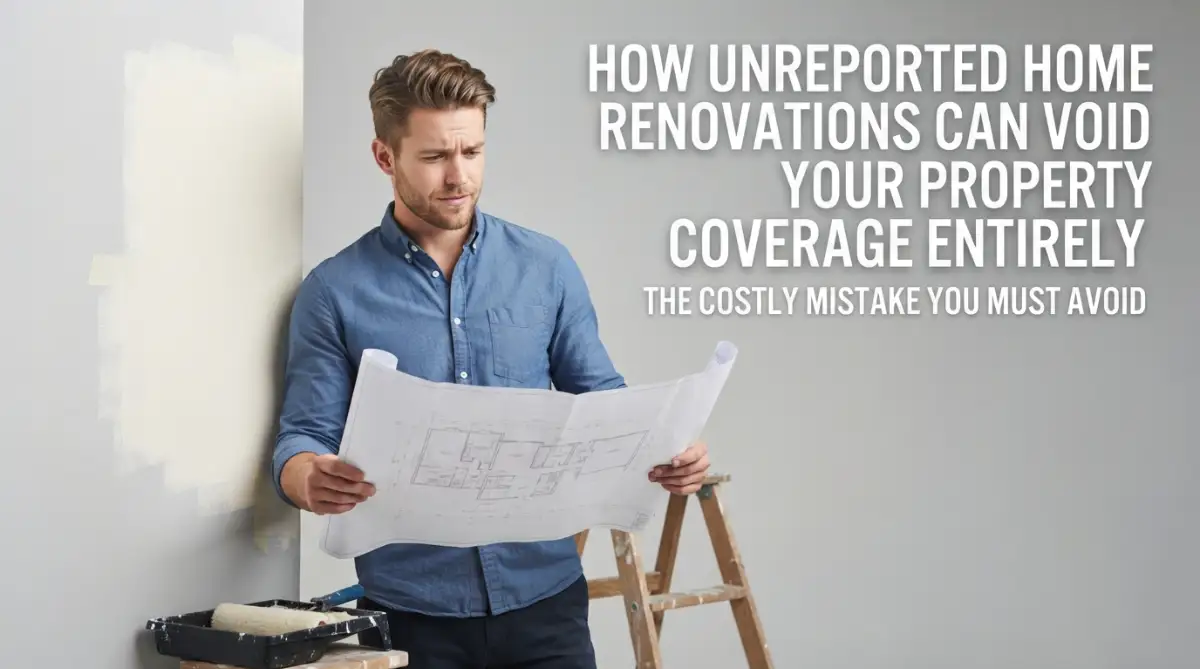
One of the worst mistakes you can make is keeping your insurance company in the dark about home improvements. Some homeowners fear that telling their insurer about a renovation will raise their rates.
While a home addition might increase your rebuilding cost, hiding it is a major mistake. If you fail to report changes, you run the risk of being underinsured. This situation can lead to massive out-of-pocket expenses if you need to file a claim.
Always keep your policy updated to reflect the true state of your home. This openness keeps you protected and ensures you get discounts for any safety features you add. To understand how to handle similar issues with commercial properties, you can read about smart ways to avoid commercial property insurance gaps to keep your assets fully covered.
Choosing the Wrong Deductible Structure
Many people select a deductible without doing the actual math first. They choose a very low deductible because they want the insurance company to pay for everything.
This decision leads to incredibly high annual premiums that drain your bank account over time. On the flip side, setting your deductible too high without having emergency savings is also dangerous.
You must find a balance that matches your personal budget and risk tolerance. To learn more about how these financial terms work together, check out this guide on copays, coinsurance, and deductibles to make a smart choice.
iling Small Maintenance Claims
Your insurance policy is meant to protect you from major financial disasters, not minor repairs. Some homeowners file a claim every time a minor issue occurs, like a broken window or a leaky pipe.
Every claim you file goes on your permanent record, which stays active for several years. Multiple small claims tell the insurer that you do not maintain your property well.
This record will cause your premium to rise, and some companies might even cancel your policy. Always pay for small repairs out of pocket to keep your claims history clean. This strategy saves you money on premiums and keeps your record spotless.
Ignoring Your Credit Score Health
Your credit score has a massive impact on your insurance rates in most states. Underwriters use credit-based insurance scores to predict the likelihood of future claims.
If your credit score drops due to late payments or high debt, your premium will likely go up. Many homeowners ignore this link and wonder why their insurance bills keep rising.
Keep your credit in good shape by paying bills on time and keeping credit card balances low. This financial discipline helps you secure better rates on both loans and insurance. For more information on how credit impacts consumer rates, you can visit the National Association of Insurance Commissioners for official guides.
Your Personal Blueprint for Insurance Peace of Mind
Taking Immediate Action for Long-Term Savings
Managing your home's safety risks is a continuous journey that requires regular attention. You do not have to complete every upgrade in a single weekend.
Instead, create a simple checklist and tackle one project every few months. Start with low-cost tasks like testing your smoke detectors and clearing dry brush from your yard.
As your budget allows, move on to larger projects like installing a smart water valve or upgrading your roof. Each small action builds a stronger shield around your home and your finances.
Balancing Your Entire Protection Plan
While saving money on home insurance is important, you should also look at your overall protection plan. Ensure you have the right balance of coverage across all areas of your life.
This balance includes protecting your income in case you cannot work due to an illness or injury. To help you evaluate this area of your budget, you can read this simple guide on how much disability insurance do you need to protect your family.
By looking at your entire financial picture, you can find more ways to save money while staying completely secure. This big-picture view is the key to true peace of mind.
A Message of Encouragement
I spent years paying too much for my home insurance because I was too overwhelmed to look at the details. Once I took charge, audited my property's risks, and made a few simple upgrades, my annual bills dropped by hundreds of dollars. You have the power to make these exact same smart choices to protect your hard-earned money starting right now.
Common Questions About Insurance Risk Upgrades
How much can I save by installing a smart home security system?
Most insurance companies offer discounts ranging from five to fifteen percent for smart security systems. To qualify for the highest discount, your system should include professional monitoring for both fire and theft. Always ask your agent which specific brands and devices qualify for discounts before making a purchase.
Will a wind mitigation inspection always lower my premium?
Yes, in most storm-prone areas, a wind mitigation inspection will lead to a discount on your policy. The inspection proves your home has features like hurricane clips, water barriers, and impact-resistant roof shingles. Even if your home only has a few of these features, you will still likely see some savings on your bill.
Is it a good idea to raise my deductible to save money?
Raising your deductible is an excellent way to lower your annual premium instantly, but you must be careful. Ensure you have the exact deductible amount saved in a separate bank account so you can access it quickly during an emergency. If you cannot afford to pay the higher deductible out of pocket, it is safer to keep it at a lower level.
Can my insurance company cancel my policy if I do not make upgrades?
An insurance company cannot cancel your policy in the middle of a term simply because you did not make upgrades. However, they can choose not to renew your policy at the end of the term if an inspection shows your home is poorly maintained. Keeping your roof, plumbing, and electrical systems in good shape prevents non-renewal notices.
Disclaimer
This article is for informational and educational purposes only. Insurance regulations, policies, and discount programs vary widely by state, country, and insurance provider. The safety upgrades and risk assessment methods discussed here do not guarantee a reduction in your specific premium rates. Always consult with a licensed insurance agent, broker, or financial professional before making changes to your homeowners insurance policy, coverage limits, or deductibles.